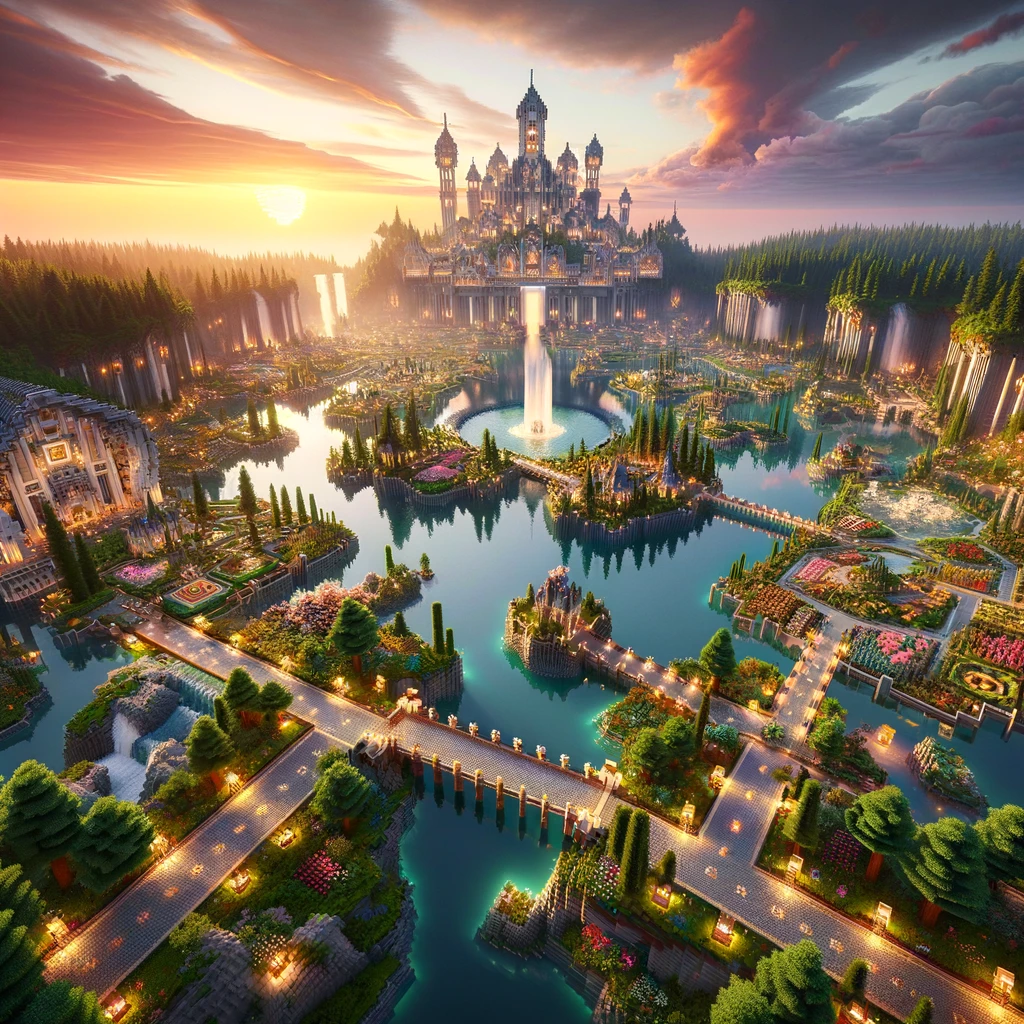
Ah, Minecraft, where the only limit to your landscape design is your imagination (and maybe the number of blocks you can carry). Whether you’re an aspiring digital landscape architect or simply looking to spruce up the area around your blocky abode, designing landscapes in Minecraft can be as rewarding as it is challenging. Here’s how to turn the land around your pixelated paradise into a sight to behold, or at the very least, a place where pigs don’t wander into your carrot garden.
Understanding the Canvas
First up, it’s crucial to understand the canvas you’re working with. Minecraft landscapes are vast and varied, from the rolling hills of the Overworld to the ominous terrains of the Nether. Each biome offers unique blocks, color schemes, and natural structures, which can serve as the foundation for your design. Don’t fight the biome; embrace it. Trying to turn a desert into a forest might be biting off more than you can chew (or more than your shovel can dig).
Planning Your Design
Before you break ground, take a moment to plan. Consider these questions:
- What’s the purpose of your landscape? Are you creating a tranquil garden, a functional farm, or a decorative front to your castle?
- How will it interact with existing structures or natural formations?
- Do you have a specific theme or style in mind, such as Zen garden, medieval, modern, or maybe something whimsically out-of-this-world?
Sketching your ideas on paper or using Minecraft mapping tools can help visualize your project and identify potential issues before they become block-sized headaches.
Basics of Good Landscape Design
Even in a world made of cubes, the principles of good landscape design apply. Here are some to consider:
- Variety and Contrast: Mix different types of plants, blocks, and elements to create depth and interest. However, too much variety can feel chaotic, so find a balance.
- Unity and Harmony: Your landscape should feel like a cohesive whole, with different parts of the design complementing each other.
- Scale and Proportion: Consider the scale of your design in relation to surrounding structures. A giant fountain might not fit well in front of a modest cottage.
- Balance: Balance can be symmetrical (mirroring) or asymmetrical (balanced through contrast), but the goal is to prevent any one area from overpowering the rest.
Incorporating Elements of Landscape Design
Now, let’s get into the fun part – building! Here’s how you can incorporate various elements into your Minecraft landscape:
- Terrain: Use shovels, pickaxes, and your bare hands to shape the land. Create hills, valleys, and flat areas to serve as the groundwork for your design.
- Vegetation: Trees, flowers, and grass blocks can add color and life to your landscape. Bamboo, sugar cane, and vines offer height and texture, while flower pots can add small accents.
- Water Features: From simple ponds to elaborate waterfalls, water adds movement and sound to your landscape. Use buckets and ice blocks to manipulate water.
- Paths and Walkways: Paths can guide visitors through your landscape and connect different areas. Use gravel, sandstone, or even leaves to create paths that match your design theme.
- Lighting: Strategic lighting can highlight key features and keep mobs at bay. Lanterns, glowstone, and shroomlights can serve as both functional and decorative elements.
Be Bold and Experiment
The beauty of Minecraft is that if you don’t like something, you can always tear it down and start again. Don’t be afraid to experiment with bold ideas or unconventional materials. Sometimes, the most striking designs come from the most unexpected combinations.
Landscaping for Functionality
Remember, your landscape can be both beautiful and functional. Incorporate farms, animal pens, or even hidden entrances into your design. A well-designed landscape can enhance your gameplay experience by making your environment more engaging and enjoyable to interact with.
In conclusion, landscape design in Minecraft is an opportunity to express your creativity, experiment with materials, and transform the world around you. Whether you’re crafting a small garden or redesigning an entire biome, remember to plan, be patient, and enjoy the creative process. With time and practice, you’ll be able to create landscapes that are not only visually stunning but also uniquely yours. Happy building!
Добавить комментарий