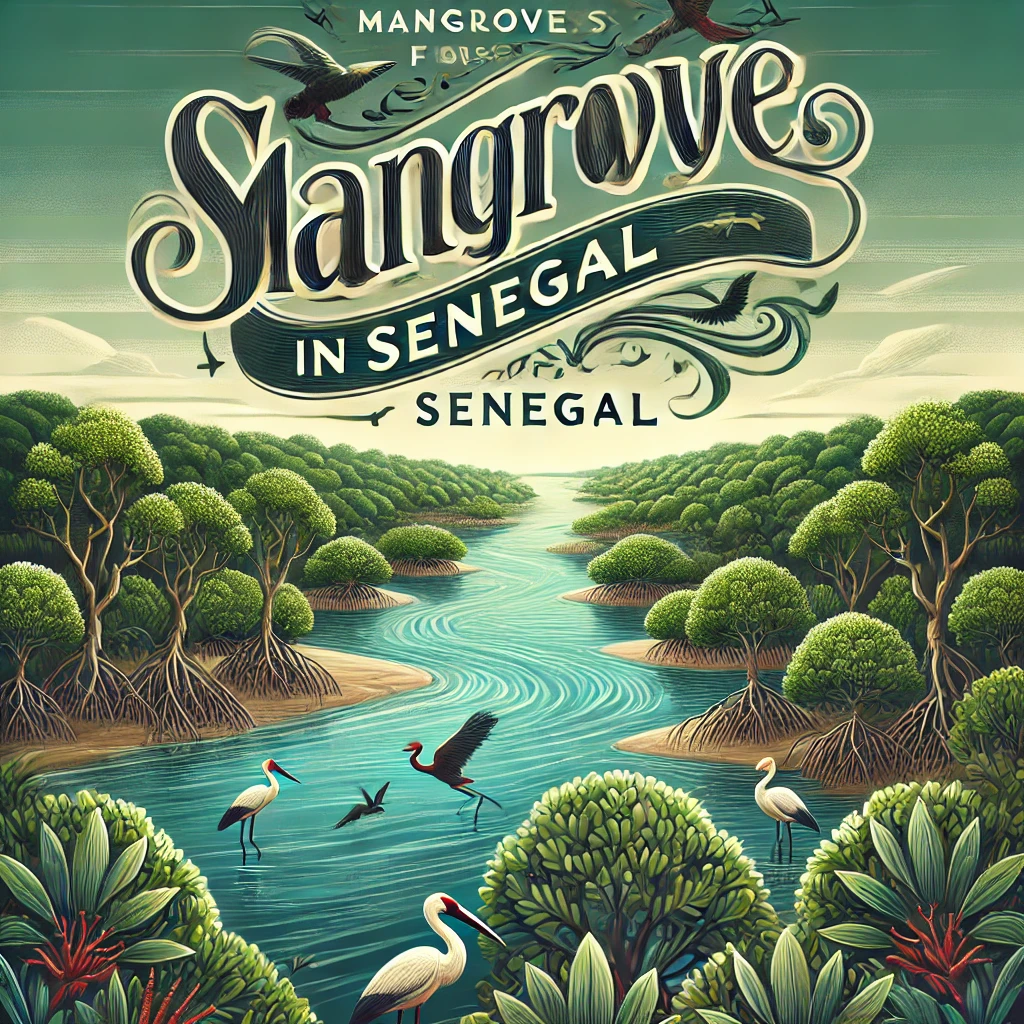
Mangrove Forests in Senegal
Senegal’s mangrove forests are among the most vital ecosystems in West Africa, providing essential environmental, economic, and social benefits. Found primarily in the Saloum Delta, Casamance, and along the country’s coastal regions, these lush wetlands serve as critical habitats for wildlife, protect against coastal erosion, and support local fishing communities. However, like many mangrove ecosystems worldwide, Senegal’s mangroves face challenges from climate change and human activity.
Importance of Senegal’s Mangrove Forests
1. Biodiversity Hotspots
Mangrove forests in Senegal are home to diverse wildlife, including:
- Bird species such as pelicans, flamingos, herons, and African fish eagles.
- Marine life including shrimp, crabs, and fish that use the mangroves as breeding grounds.
- Mammals and reptiles like manatees, crocodiles, and monitor lizards.
2. Coastal Protection and Climate Regulation
Mangroves act as natural barriers against coastal erosion, storm surges, and rising sea levels. Their dense root systems stabilize shorelines and help reduce the impact of extreme weather events. Additionally, mangroves serve as carbon sinks, absorbing significant amounts of CO₂ and helping mitigate climate change.
3. Economic and Social Benefits
Local communities depend on mangrove forests for:
- Fishing and aquaculture: The mangroves support a thriving fishing industry by providing nursery grounds for commercially important fish species.
- Oyster and shellfish harvesting: Women in coastal communities, particularly in the Saloum Delta, rely on mangrove-rich waters for sustainable oyster farming.
- Ecotourism: Visitors are drawn to Senegal’s mangroves for birdwatching, canoe trips, and cultural tours, contributing to the local economy.
Major Mangrove Regions in Senegal
1. Saloum Delta National Park
A UNESCO World Heritage Site, the Saloum Delta is one of the most important mangrove ecosystems in Senegal. Covering over 76,000 hectares, it features a network of waterways, islands, and mangrove forests that provide refuge for numerous bird species and marine life.
2. Casamance Mangroves
The Casamance region, particularly around the Casamance River, boasts some of the most extensive mangrove forests in Senegal. These wetlands support local fishing communities and are known for their vibrant biodiversity.
3. Djoudj National Bird Sanctuary
While primarily known as a wetland for migratory birds, Djoudj also contains patches of mangrove forests that contribute to its ecological richness.
Threats to Senegal’s Mangrove Forests
Despite their importance, Senegal’s mangroves face several threats, including:
- Deforestation: Cutting down mangroves for firewood and land development reduces their coverage.
- Climate Change: Rising sea levels and extreme weather patterns impact mangrove health.
- Overfishing and Pollution: Unsustainable fishing practices and waste disposal degrade mangrove ecosystems.
Conservation Efforts
Senegal has taken several steps to protect and restore its mangrove forests:
- Mangrove reforestation projects: Organizations like Oceanium Dakar and Wetlands International have led large-scale planting initiatives, restoring thousands of hectares of mangroves.
- Community-based conservation: Local communities are actively involved in managing and protecting mangrove ecosystems through sustainable fishing and eco-friendly tourism.
- Protected areas and national parks: Reserves like the Saloum Delta and Casamance mangroves are under conservation management to limit harmful activities.
Conclusion
Senegal’s mangrove forests are invaluable ecosystems that sustain biodiversity, protect coastlines, and support local livelihoods. While challenges persist, ongoing conservation efforts and community engagement are helping to preserve these critical wetlands for future generations. By continuing to restore and protect mangroves, Senegal ensures both ecological resilience and economic sustainability.
For more tips on improving your photography and editing skills, check out helpful guides to take your selfies to the next level.
Добавить комментарий