History of Timbuktu in Mali
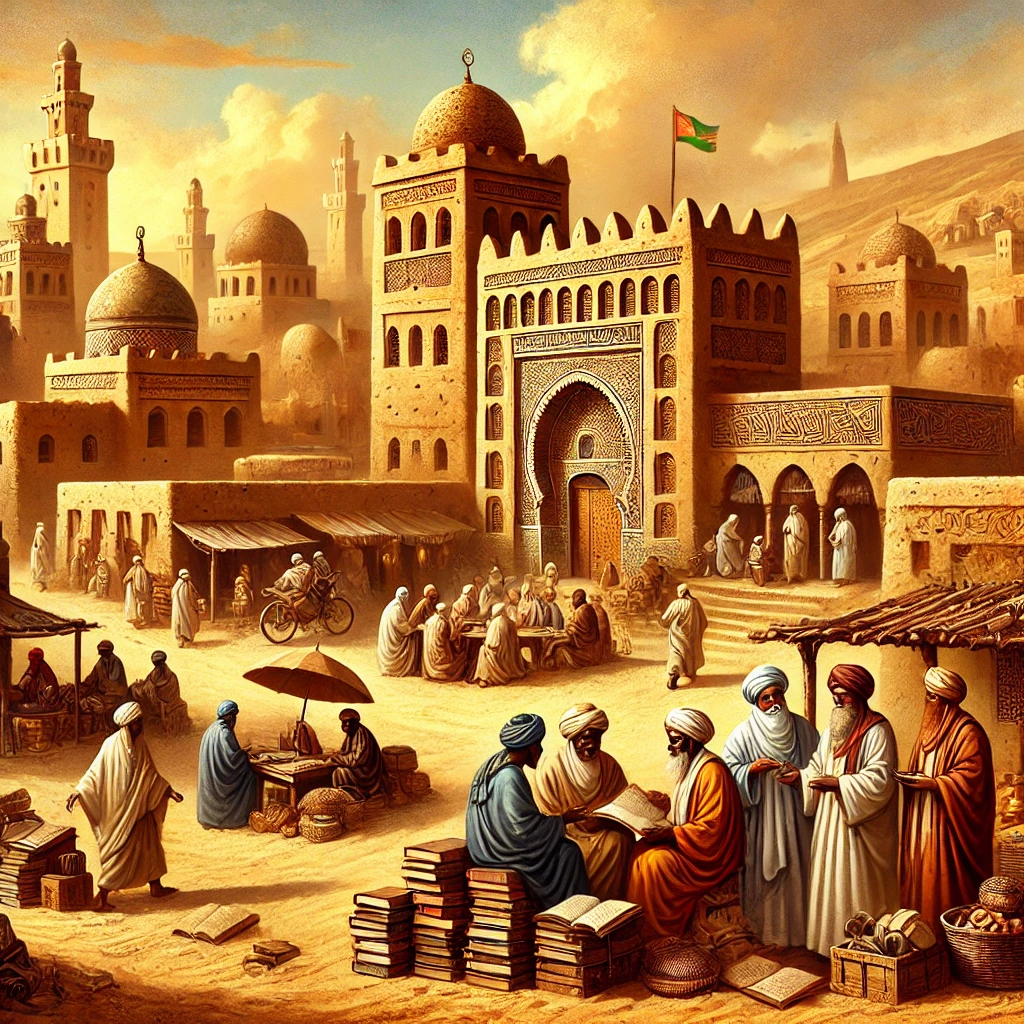
Timbuktu, a legendary city in Mali, has long been celebrated as a hub of learning, culture, and commerce. Situated on the southern edge of the Sahara Desert near the Niger River, it served as a crossroads for trade and intellectual exchange in West Africa. Its golden age saw the rise of great universities and a flourishing book trade, leaving a legacy that continues to captivate the world. Here’s a deeper look into the fascinating history of Timbuktu.
The Founding of Timbuktu
Timbuktu was founded in the 11th century by the Tuareg people, who were nomadic Berber tribes. According to tradition, the city’s name comes from «Tin Abutut,» meaning «the place of Buktu,» referring to a woman who guarded a well for the nomads. Over time, the settlement grew into a permanent city due to its strategic location at the crossroads of trans-Saharan trade routes.
A Center of Trade and Wealth
By the 14th century, Timbuktu had become an essential hub in the trans-Saharan trade network. Gold, salt, ivory, and slaves passed through the city, linking it to regions as far as North Africa and the Middle East. The wealth generated by this trade attracted merchants, scholars, and artisans, transforming Timbuktu into a thriving urban center.
The city’s economic prosperity reached its height during the reign of the Mali Empire, particularly under the rule of Mansa Musa (1312–1337), one of the wealthiest rulers in history. His famous pilgrimage to Mecca brought global attention to the riches of Mali and Timbuktu.
The Intellectual Golden Age
Timbuktu’s reputation as a center of learning began to flourish in the 14th and 15th centuries. Scholars from across the Islamic world came to study at its renowned institutions, particularly the Sankore University and other madrasas (Islamic schools). These institutions housed vast libraries, with tens of thousands of manuscripts on subjects ranging from theology and astronomy to medicine and law.
The city became a beacon of intellectual exchange, with scholars producing original works and copying texts that contributed to the preservation and dissemination of knowledge.
Key Landmarks in Timbuktu
Several architectural landmarks from this era still stand today, symbolizing Timbuktu’s historical significance:
- Sankore Mosque: A key part of the Sankore University complex, this mosque was a center of Islamic learning and scholarship.
- Djingareyber Mosque: Built in 1327 by architect Abu Es Haq es Saheli under the commission of Mansa Musa, it remains one of Timbuktu’s most iconic structures.
- Sidi Yahya Mosque: Completed in the 15th century, this mosque is associated with the city’s spiritual heritage.
These structures, built from mudbrick, represent a unique architectural style adapted to the region’s arid climate.
Decline and Challenges
Timbuktu’s fortunes began to wane in the late 16th century when the Moroccan invasion of 1591 brought instability to the region. The city’s libraries were looted, and its status as a commercial and intellectual hub declined. Additionally, the rise of Atlantic trade routes diminished the importance of trans-Saharan commerce, further isolating Timbuktu.
In the centuries that followed, the city endured further hardships, including colonial rule under the French and environmental challenges such as desertification. Despite this, Timbuktu retained its symbolic importance as a repository of African and Islamic heritage.
Preservation of Manuscripts
In recent years, efforts have been made to preserve Timbuktu’s priceless manuscripts. Organizations and local families have worked to safeguard these treasures, some of which date back over 800 years. During conflicts in the 21st century, many manuscripts were smuggled out of Timbuktu to protect them from destruction.
These texts, covering topics like science, poetry, and philosophy, are a testament to the city’s historical role as a center of knowledge and culture.
Conclusion
The history of Timbuktu is a story of resilience and brilliance. From its rise as a prosperous trade center to its legacy as a beacon of intellectual achievement, the city remains a symbol of Africa’s rich cultural and historical heritage. Today, Timbuktu is a UNESCO World Heritage site, preserving its legacy for future generations and reminding the world of its enduring significance.
For more tips on improving your photography and editing skills, check out helpful guides to take your selfies to the next level.
Добавить комментарий