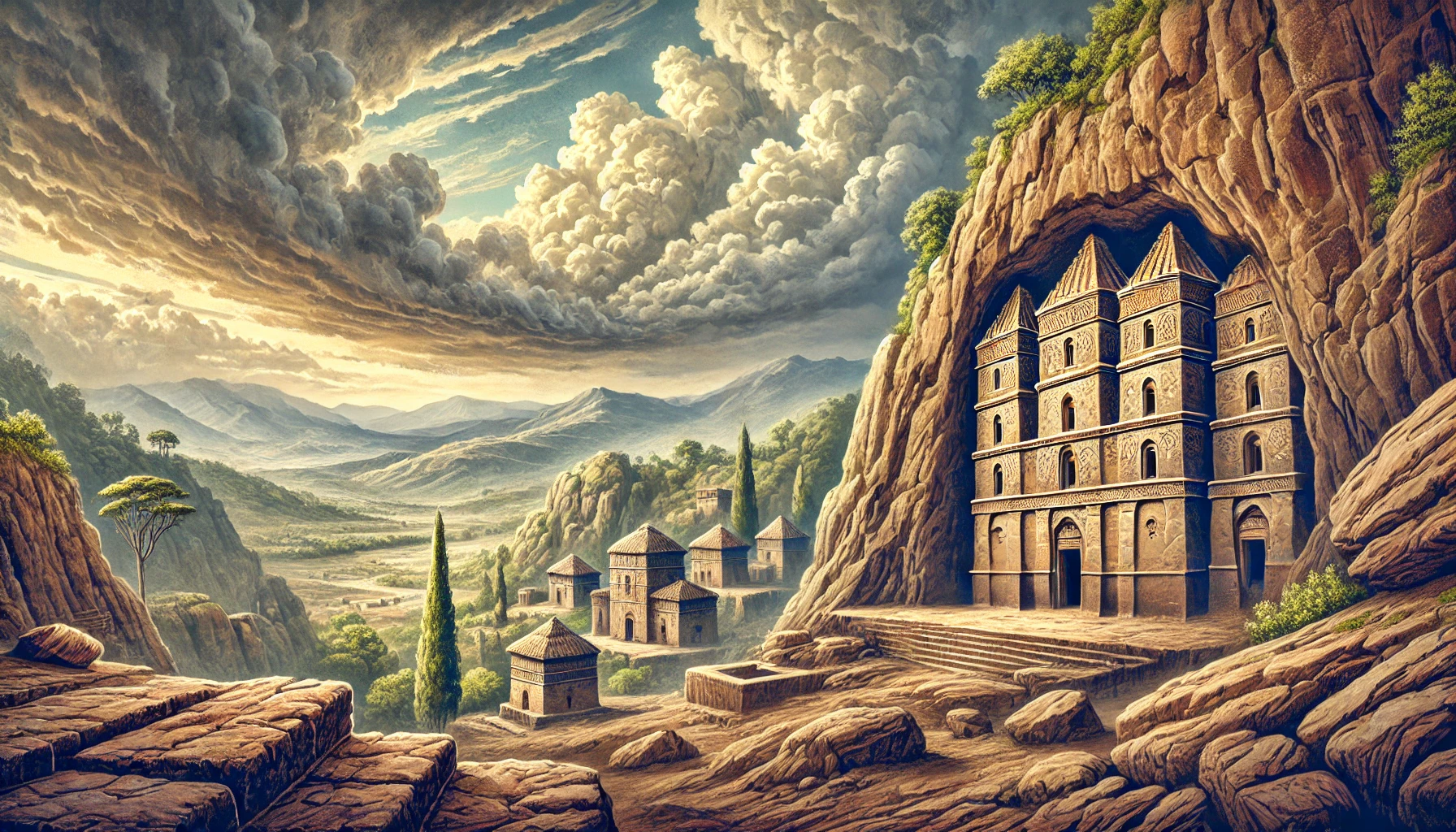
Ancient Ruins in Ethiopia
Ethiopia, often referred to as the «Cradle of Humankind,» is a country steeped in history and culture. It is home to some of the most remarkable ancient ruins in the world, many of which reflect its status as one of the oldest civilizations in Africa. From impressive rock-hewn churches to ancient cities, these ruins offer a fascinating glimpse into Ethiopia’s rich and enduring heritage.
1. Axum (Aksum)
Location: Tigray Region
Axum, the ancient capital of the Aksumite Empire, is a UNESCO World Heritage Site and one of Ethiopia’s most significant historical destinations. It is renowned for its towering obelisks, or stelae, some of which date back to the 4th century. The Great Stela, at over 33 meters tall, remains one of the largest monolithic structures ever erected. Axum is also believed to be the final resting place of the Ark of the Covenant, housed in the Church of St. Mary of Zion.
2. Lalibela Rock-Hewn Churches
Location: Amhara Region
Lalibela is famous for its 11 medieval rock-hewn churches, carved entirely from volcanic rock in the 12th and 13th centuries. These remarkable structures were built to serve as a «New Jerusalem» and remain an active site of worship. The churches, such as Bet Giyorgis (Church of St. George), are interconnected through tunnels and passageways, creating a mystical and awe-inspiring setting.
3. Harar Jugol
Location: Harari Region
Harar Jugol is a walled city and a UNESCO World Heritage Site, known as the fourth holiest city of Islam. While primarily recognized for its vibrant cultural heritage, Harar’s ancient ruins include over 80 mosques, some dating back to the 10th century, and a network of narrow, winding streets. The city’s walls, built in the 16th century, are a testament to its historical importance as a center of trade and religion.
4. Gondar Castles
Location: Amhara Region
Often referred to as the «Camelot of Africa,» Gondar is known for its impressive collection of castles and palaces. The most famous site, the Fasil Ghebbi (Royal Enclosure), is a UNESCO World Heritage Site that dates back to the 17th century. These well-preserved ruins include the palace of Emperor Fasilides and several other structures, offering a unique blend of Ethiopian, Portuguese, and Indian architectural influences.
5. Yeha Temple
Location: Tigray Region
Dating back to the 8th century BCE, the Temple of Yeha is considered Ethiopia’s oldest standing structure. Built during the pre-Aksumite period, this sandstone temple is thought to have been a center of worship for the Sabaean civilization. The site provides invaluable insights into the region’s early religious and architectural practices.
6. Tiya Stelae Field
Location: Southern Nations, Nationalities, and Peoples’ Region (SNNPR)
Tiya is a UNESCO World Heritage Site that features over 40 intricately carved stelae, or standing stones, marking an ancient burial ground. The carvings include mysterious symbols and patterns that have yet to be fully understood, making Tiya one of Ethiopia’s most intriguing archaeological sites.
7. Debre Damo Monastery
Location: Tigray Region
Situated atop a steep plateau, Debre Damo is one of Ethiopia’s oldest monasteries, believed to date back to the 6th century. Accessible only by climbing a rope, this secluded site contains ancient manuscripts, stone structures, and panoramic views of the surrounding landscape. The monastery is a remarkable testament to Ethiopia’s religious and architectural history.
8. Aksumite Tombs
Location: Tigray Region
In addition to its obelisks, Axum is home to an impressive collection of ancient tombs. The Tombs of King Kaleb and King Gebre Meskel, for example, showcase the advanced engineering skills of the Aksumite civilization. These subterranean chambers, carved into solid rock, are among the most fascinating ruins in the region.
9. Sof Omar Cave Complex
Location: Oromia Region
Though primarily a natural attraction, the Sof Omar caves also hold historical and cultural significance. These extensive underground limestone caves have served as a site of worship for centuries. The intricate rock formations and spiritual significance make it a unique addition to Ethiopia’s ancient landmarks.
10. Melka Kunture Archaeological Site
Location: Oromia Region
Melka Kunture is an important archaeological site that provides insights into early human history in Ethiopia. The site contains tools and fossils dating back over 1.5 million years, offering a glimpse into the lives of early hominins.
Why Ethiopia’s Ancient Ruins Are Remarkable
Ethiopia’s ancient ruins are not only architectural marvels but also windows into the country’s deep and diverse history. Each site tells a story of faith, ingenuity, and cultural exchange, making Ethiopia a must-visit destination for history enthusiasts and travelers seeking a deeper connection to Africa’s past.
For more tips on improving your photography and editing skills, check out helpful guides to take your selfies to the next level.
Добавить комментарий