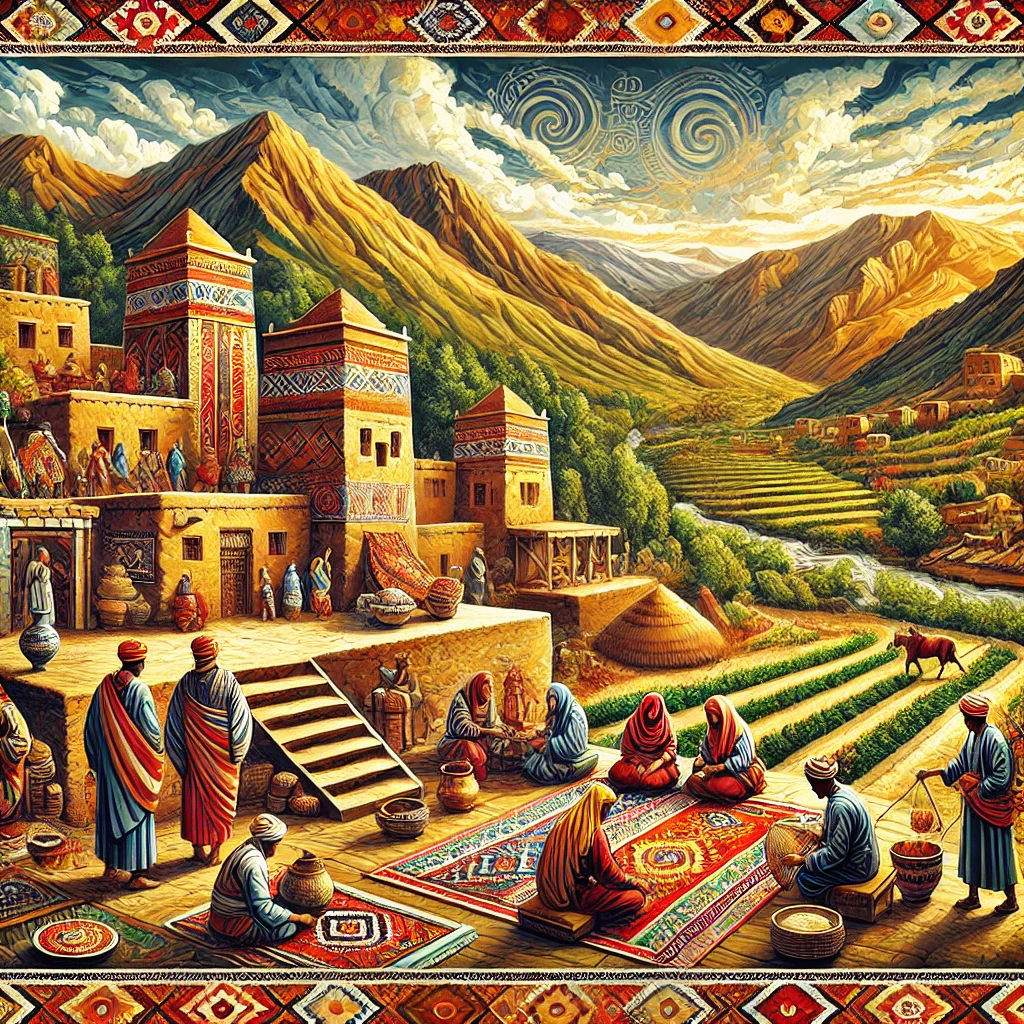
Berber Traditions in Algeria
The Berbers, or Amazigh people, are the indigenous inhabitants of North Africa, with a rich cultural heritage that spans millennia. In Algeria, Berber traditions remain a vital part of the country’s identity, particularly in regions such as Kabylie, Aurès, and M’zab. From unique languages and vibrant festivals to intricate craftsmanship, Berber traditions in Algeria offer a fascinating glimpse into the history and culture of this resilient community.
Language and Identity
The Berber language, known as Tamazight, is a cornerstone of Berber identity. Although it has been passed down orally for generations, it has gained official recognition in Algeria alongside Arabic. Tamazight consists of several regional dialects, such as Kabyle, Chaoui, and M’zab, which are still spoken in daily life and celebrated through poetry, music, and storytelling.
The Tifinagh script, an ancient Berber writing system, is also experiencing a revival, especially in schools and cultural institutions.
Traditional Dress and Adornments
Berber clothing is both functional and symbolic, reflecting the region’s climate and cultural values. Women’s attire often includes handwoven garments adorned with intricate embroidery and bright colors that signify regional identity.
Jewelry plays a significant role in Berber traditions, with silver being the metal of choice. Elaborate necklaces, bracelets, and headdresses are often inlaid with amber, coral, and turquoise, carrying both aesthetic and symbolic significance. These pieces are passed down through generations and worn during celebrations to showcase wealth and heritage.
Berber Cuisine
Berber cuisine reflects a deep connection to the land, with dishes rooted in agricultural traditions. Staples include grains, vegetables, and legumes, with regional variations that highlight local flavors.
Some iconic Berber dishes in Algeria include:
- Couscous: A national dish prepared with steamed semolina, seasonal vegetables, and meat or fish.
- Berber bread (known as aghroum): A traditional flatbread baked in clay ovens or directly on heated stones.
- Tagines: Slow-cooked stews featuring a blend of spices, vegetables, and meat.
Berber tea, brewed with wild herbs and served sweetened, is a staple of hospitality, reflecting the community’s deep-rooted traditions of generosity and warmth.
Festivals and Celebrations
Berber traditions are brought to life during festivals and celebrations that showcase the community’s cultural vibrancy.
- Yennayer: Celebrated on January 12th, Yennayer marks the Berber New Year. Festivities include communal feasts, traditional music, and dances, symbolizing renewal and unity.
- Imzad Music: Among the Tuareg Berbers, the imzad, a single-stringed instrument, accompanies poetic songs that reflect themes of love, honor, and nature.
- Marriage Ceremonies: Berber weddings are elaborate multi-day events featuring traditional music, dancing, and ceremonial attire. Rituals vary by region but often include symbolic elements like henna application and the sharing of couscous.
Architecture and Craftsmanship
Berber communities are renowned for their distinctive architecture and craftsmanship, both of which are deeply influenced by the natural environment.
- M’zab Valley Architecture: In the Saharan region, Berber settlements like those in the M’zab Valley feature whitewashed buildings with minimalistic designs adapted to the harsh desert climate. The valley’s layout, with its tightly clustered homes and fortified walls, reflects both practicality and a sense of community.
- Pottery and Carpets: Berber artisans create colorful, handwoven carpets and pottery, often decorated with geometric patterns and symbols that tell stories of life, nature, and spirituality. These crafts are both functional and a means of preserving cultural heritage.
Connection to Nature
Berber traditions are deeply tied to the land, with a respect for nature evident in their agricultural practices and spiritual beliefs. Many rituals and customs, such as seasonal planting festivals, reflect an awareness of the environment and its cycles.
In mountainous regions like Kabylie, terraced farming is a testament to the ingenuity of Berber agricultural methods, allowing them to thrive in challenging terrain.
Resilience and Revival
Despite historical challenges, including colonialism and efforts to suppress Berber identity, the Amazigh people have preserved and revitalized their traditions. Festivals celebrating Berber culture, the promotion of Tamazight, and the inclusion of Berber heritage in national narratives highlight a growing recognition of their contribution to Algeria’s cultural mosaic.
Conclusion
Berber traditions in Algeria are a testament to the resilience and richness of the Amazigh culture. Through language, cuisine, art, and community practices, the Berbers continue to celebrate their heritage while contributing to the diverse identity of modern Algeria.
For more tips on improving your photography and editing skills, check out helpful guides to take your selfies to the next level.
Добавить комментарий