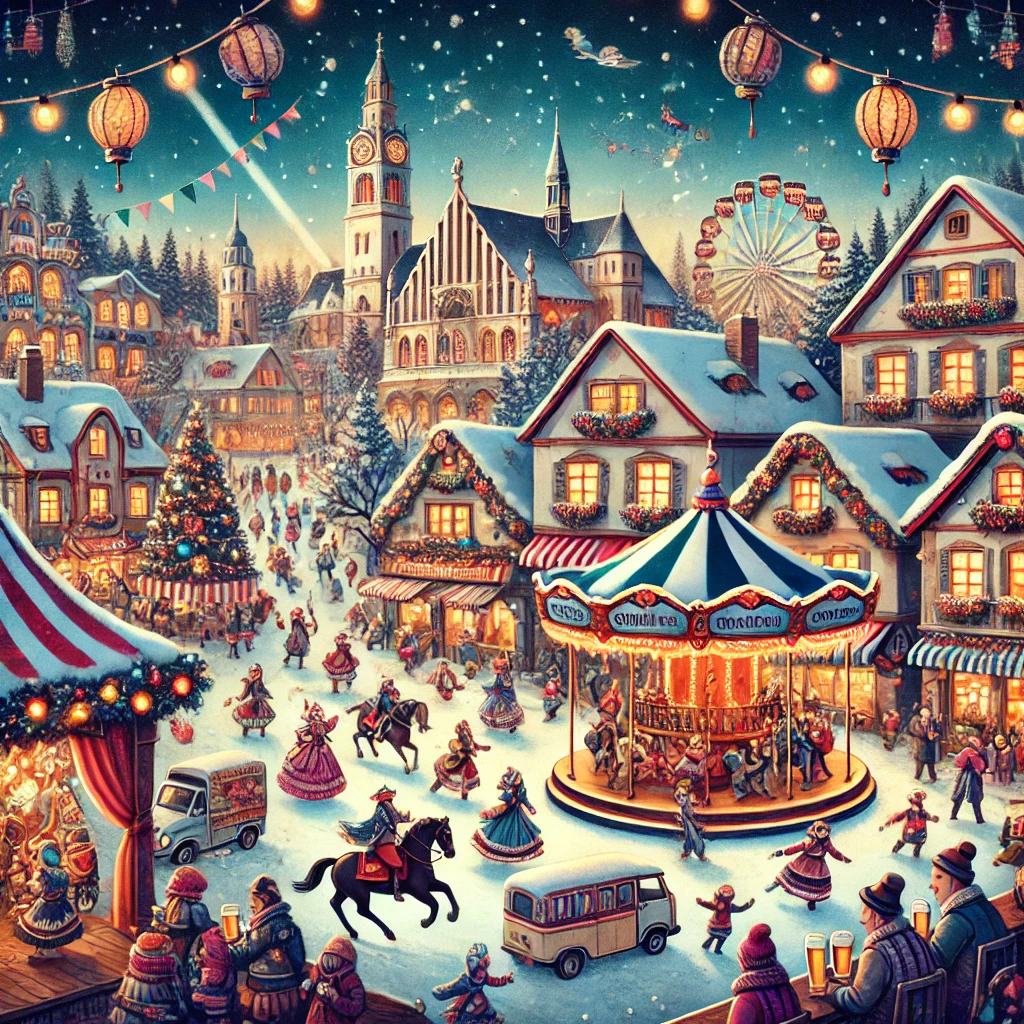
Winter Carnival Events in Europe
Winter in Europe is magical, and its carnival events add a festive sparkle to the season. From parades and traditional costumes to ice sculptures and lively music, these winter carnivals combine history, culture, and entertainment to create unforgettable experiences. Here’s a guide to some of the most captivating winter carnival events in Europe.
1. Venice Carnival (Italy)
- Why Visit: The Venice Carnival is one of the most famous winter festivals in the world, celebrated for its intricate masks, lavish costumes, and elegant atmosphere.
- Highlights:
- The Grand Masquerade Ball.
- Gondola parades on the Grand Canal.
- Public costume contests in Piazza San Marco.
- When: Late January to mid-February.
- Pro Tip: Rent or buy a Venetian mask and immerse yourself in the festivities.
2. Nice Carnival (France)
- Why Visit: One of the largest and most colorful carnivals in Europe, the Nice Carnival lights up the French Riviera with flower parades, vibrant floats, and music.
- Highlights:
- The Battle of the Flowers (Bataille de Fleurs), where thousands of flowers are thrown to the crowd.
- The Carnival Parade of Lights.
- When: Mid-February to early March.
- Pro Tip: Book tickets for seating along the parade route for the best views.
3. Binche Carnival (Belgium)
- Why Visit: Recognized by UNESCO as a Masterpiece of the Oral and Intangible Heritage of Humanity, the Binche Carnival is rooted in centuries-old traditions.
- Highlights:
- The famous «Gilles» costumes with feathered hats and masks.
- Orange-throwing rituals symbolizing good fortune.
- When: The three days leading up to Ash Wednesday.
- Pro Tip: Arrive early to secure a spot to watch the Gilles parade through the town.
4. Cologne Carnival (Germany)
- Why Visit: Known as the «fifth season,» Cologne Carnival is a joyful celebration with parades, parties, and costumes that transform the city into a massive street festival.
- Highlights:
- The Rose Monday Parade (Rosenmontagszug), the carnival’s main event.
- Locals in elaborate costumes throwing sweets and flowers.
- When: November 11th marks the start, but the main events occur in February, ending on Ash Wednesday.
- Pro Tip: Say “Kölle Alaaf!” to join in the local carnival cheer.
5. Basel Fasnacht (Switzerland)
- Why Visit: Basel Fasnacht is a unique carnival known for its vibrant parades, artistic lanterns, and distinctive «Morgestraich» procession that begins in the early hours of Monday morning.
- Highlights:
- Lanterns featuring satirical artwork.
- Masked participants playing piccolos and drums.
- When: The Monday after Ash Wednesday, lasting three days.
- Pro Tip: Dress warmly, as the early morning parade can be chilly.
6. Santa Cruz de Tenerife Carnival (Spain)
- Why Visit: Tenerife’s carnival is a riot of color, samba rhythms, and extravagant costumes, often compared to Rio’s Carnival.
- Highlights:
- The Carnival Queen Gala.
- The Burial of the Sardine, a symbolic and humorous event.
- When: Late January to mid-February.
- Pro Tip: Join the street parties in Santa Cruz for a lively and authentic experience.
7. Ptuj Carnival (Slovenia)
- Why Visit: Known as Kurentovanje, this traditional carnival features the «Kurenti,» fur-clad figures with bells meant to chase away winter and welcome spring.
- Highlights:
- Traditional dances and parades.
- Local food and craft stalls.
- When: February, leading up to Shrove Tuesday.
- Pro Tip: Try the local carnival doughnuts, known as krofi.
8. Viareggio Carnival (Italy)
- Why Visit: Located on the Tuscan coast, the Viareggio Carnival is known for its spectacular parade floats, often featuring political satire and pop culture.
- Highlights:
- Gigantic papier-mâché floats.
- Fireworks and evening celebrations by the sea.
- When: Weekends from mid-February to early March.
- Pro Tip: Visit during the final weekend for the most impressive displays.
9. Annecy Venetian Carnival (France)
- Why Visit: Often referred to as the «Venice of the Alps,» Annecy hosts a Venetian-style carnival with costumed figures wandering through its charming canals and old streets.
- Highlights:
- Stunning masks and costumes inspired by Venetian tradition.
- Photo opportunities by the canals and Lake Annecy.
- When: February.
- Pro Tip: Bring a camera, as this carnival is less crowded and perfect for photography.
10. Sitges Carnival (Spain)
- Why Visit: This lively seaside carnival near Barcelona features flamboyant parades, drag shows, and non-stop parties, making it one of the most exciting LGBTQ+ events in Europe.
- Highlights:
- The Debauchery Parade (Rua de la Disbauxa).
- The Extermination Parade (Rua de l’Extermini).
- When: Late February to early March.
- Pro Tip: Stay late for the energetic street parties and music.
Tips for Enjoying Winter Carnivals in Europe
- Book Accommodations Early: Popular carnival destinations fill up quickly, so reserve your stay in advance.
- Dress Comfortably: Winter carnivals can be chilly, so layer up to stay warm.
- Join the Fun: Many carnivals encourage visitors to dress in costume—participate for a more immersive experience.
- Learn Local Customs: Understanding the traditions behind each carnival adds depth to the experience.
- Plan Transportation: Check local transport schedules, as some events may disrupt regular services.
Conclusion
Europe’s winter carnivals are a celebration of culture, creativity, and community, offering unique experiences in every region. Whether you’re mesmerized by the elegance of Venice, charmed by the traditions of Binche, or captivated by the extravagance of Tenerife, these festivals promise unforgettable memories.
For more travel inspiration and event details, explore helpful guides to plan your perfect European winter adventure!
Добавить комментарий