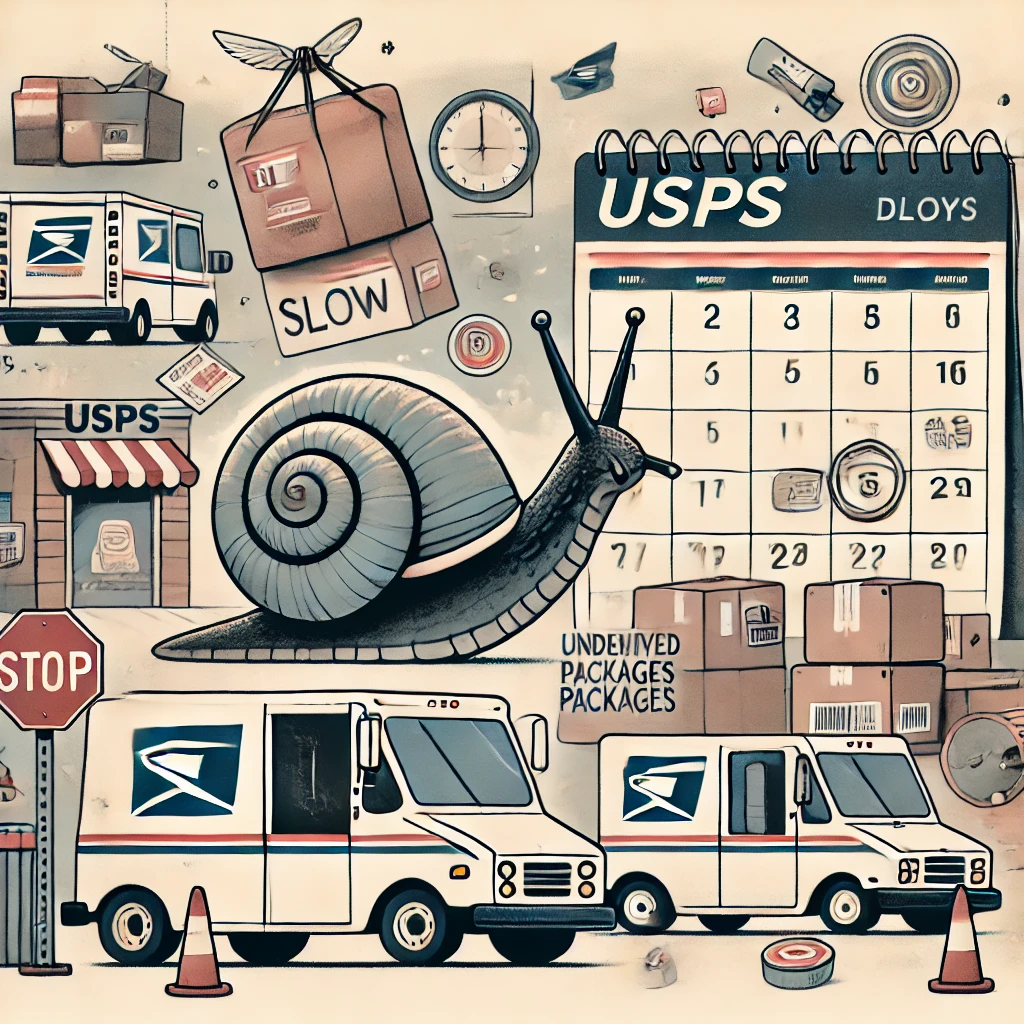
USPS
The United States Postal Service (USPS) has long been a reliable option for mailing letters and packages. However, in recent years, many people have noticed slower delivery times. This frustration is caused by a mix of operational, financial, and external factors that impact USPS efficiency. Let’s take a closer look at the reasons behind these delays.
1. Budget Constraints
USPS operates as an independent agency of the federal government, but it does not receive tax funding. Instead, it relies on the revenue generated from postage and services. In recent years, declining mail volumes—largely due to the rise of email and online bill payments—have created financial challenges for USPS. This lack of funding has led to staffing shortages, outdated equipment, and reduced resources, all of which contribute to slower delivery times.
2. Increased Package Demand
The boom in e-commerce has drastically increased the number of packages USPS handles. While this might seem like a good thing for revenue, the agency has struggled to adapt to the sheer volume of parcels. Unlike letters, packages require more handling and sorting, which can create bottlenecks in the system, especially during peak seasons like the holidays.
3. Staffing Shortages
Like many industries, USPS has faced staffing shortages due to budget constraints, high turnover rates, and labor shortages. Insufficient staff means that there are fewer workers available to process and deliver mail, leading to delays.
4. Changes to Delivery Standards
In recent years, USPS has implemented changes to its delivery standards, extending the timeframe for certain types of mail. For example, some first-class mail deliveries now take 3-5 days instead of 1-3 days. These changes are part of a broader cost-cutting effort but have inevitably slowed down delivery times for many customers.
5. Aging Infrastructure
USPS relies on a vast network of sorting facilities, vehicles, and delivery routes. However, much of its infrastructure is outdated and in need of modernization. Old equipment and inefficient systems can slow down the processing of mail and packages, especially during periods of high demand.
6. Weather and External Factors
Weather plays a significant role in USPS delays, particularly during the winter months. Snowstorms, hurricanes, and other extreme weather events can disrupt mail transportation and delivery. Additionally, external factors like supply chain issues and delays from other carriers can have a ripple effect on USPS operations.
7. Policy Changes and Political Pressure
The USPS has faced political scrutiny in recent years, with debates about its role, funding, and operations. Policy changes, such as cost-cutting measures or operational shifts, can impact efficiency and lead to slower delivery times. For instance, changes in leadership or new regulations may prioritize cost savings over speed.
What You Can Do to Avoid Delays
If you’re experiencing slow USPS delivery times, here are a few tips to minimize inconvenience:
- Plan ahead: Send mail and packages earlier than usual to account for potential delays.
- Use priority services: USPS Priority Mail and Priority Mail Express offer faster delivery options, though they come at a higher cost.
- Track your packages: Use USPS tracking to stay informed about the status and estimated delivery time of your shipment.
For more tips on improving your photography and editing skills, check out helpful guides to take your selfies to the next level.
Добавить комментарий