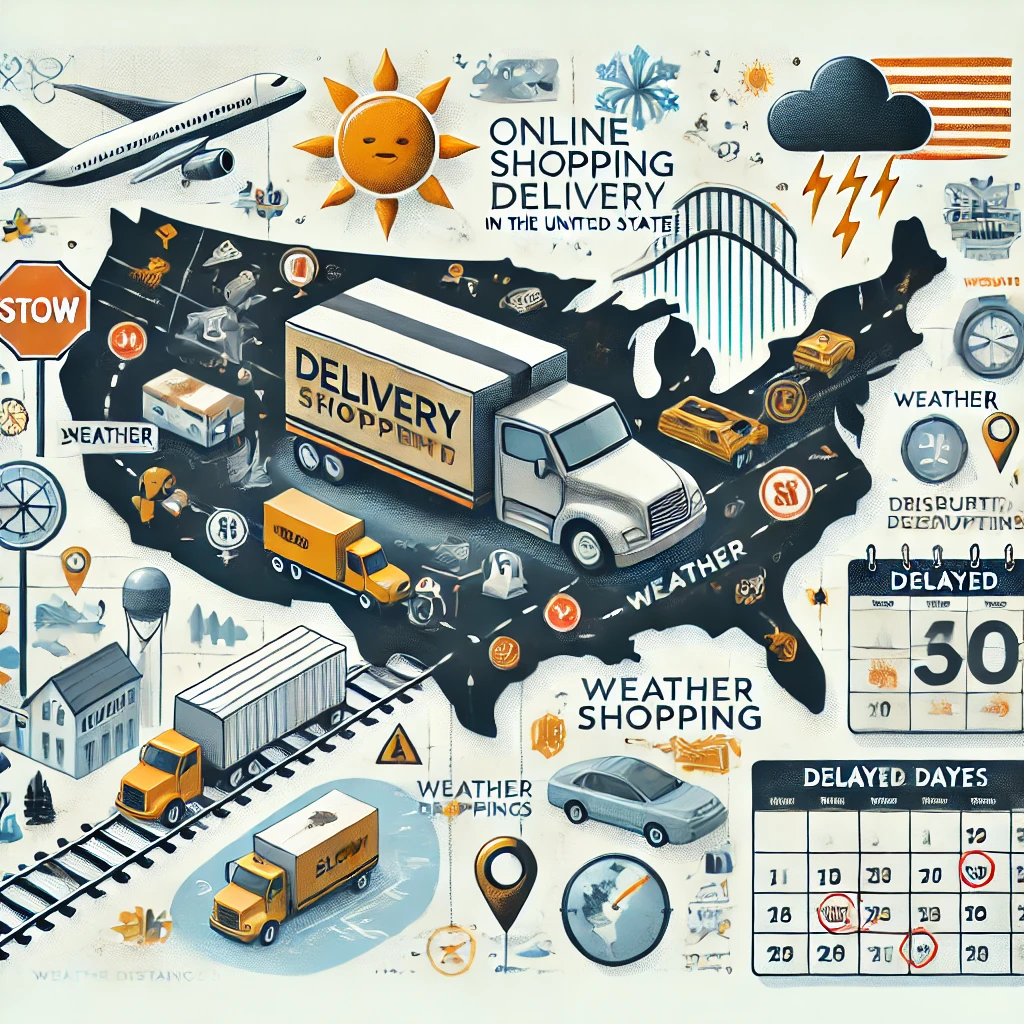
Why Is Online Shopping Delivery Slow in the US?
In a world where convenience is king, slow delivery times for online shopping in the US can be frustrating, especially when compared to other countries that often boast faster shipping speeds. Despite advancements in technology and logistics, several factors contribute to delayed deliveries in the US. Here’s a closer look at the reasons why online shopping delivery can be slow in the United States.
1. Geographic Size and Distance
The United States is one of the largest countries in the world, both in terms of landmass and population, which creates logistical challenges for shipping.
- Wide Delivery Areas: Unlike smaller countries where goods can be transported quickly, US shipments often involve long distances between warehouses and customers.
- Rural Deliveries: Rural areas and smaller towns are harder to reach, and deliveries to these locations often take longer due to limited infrastructure and fewer courier routes.
- State-to-State Deliveries: A package traveling from one coast to another (e.g., New York to California) may need multiple stops and several days to arrive.
2. Increased Online Shopping Demand
The rise of e-commerce, particularly since the COVID-19 pandemic, has created overwhelming demand for delivery services.
- Surging Volume: Major retailers like Amazon, Walmart, and Target process millions of orders daily, leading to strain on logistics networks.
- Peak Seasons: During holidays like Black Friday, Christmas, or back-to-school shopping seasons, shipping networks become even more congested.
- Labor Shortages: The high volume of orders often outpaces the available workforce, from warehouse workers to delivery drivers, causing delays.
3. Warehouse and Inventory Challenges
Delays can occur before your package even leaves the warehouse.
- Inventory Shortages: Popular items may sell out quickly, causing delays in fulfillment while warehouses restock.
- Poor Warehouse Location: Some retailers have centralized warehouses instead of regional ones, resulting in longer shipping times for distant customers.
- Order Processing Delays: Smaller retailers or companies with outdated systems may take longer to pick, pack, and ship orders compared to companies with advanced automation.
4. Shipping Carrier Delays
Shipping carriers like USPS, UPS, FedEx, and Amazon Logistics face their own challenges that can lead to slower deliveries.
- Capacity Limits: Carriers can only handle a certain number of packages at a time, and when volumes exceed capacity, shipments get delayed.
- Staffing Issues: Labor shortages and high turnover rates among delivery drivers have hampered carriers’ ability to keep up with demand.
- Delivery Routes: Drivers often follow pre-determined routes that may not prioritize efficiency for every customer, causing delays for certain areas.
5. Customs and Cross-Border Shipping
For international orders, customs and border clearance can significantly slow down delivery.
- Customs Delays: Items shipped from other countries (e.g., China) must go through customs inspections, which can add days or even weeks to the delivery time.
- Shipping Methods: Cheaper international shipping options, like ePacket, are slower because they prioritize cost over speed.
6. Last-Mile Delivery Challenges
The “last mile” refers to the final stage of the delivery process, when the package is transported from a local distribution center to the customer’s doorstep.
- Complexity of Last-Mile Delivery: This is often the most challenging and expensive part of the delivery process due to factors like traffic, weather, or customer location.
- Shared Routes: Couriers often combine multiple deliveries in one trip, meaning your package might take longer depending on how efficient the route is.
- Rural Areas: In remote regions, delivery drivers may have to travel long distances to drop off a single package, delaying overall delivery times.
7. Weather and Natural Disasters
Extreme weather conditions and natural disasters can disrupt delivery timelines significantly.
- Winter Delays: Snowstorms, icy roads, and severe cold can slow down or halt deliveries, especially in northern states.
- Hurricanes and Flooding: Severe weather events in coastal regions, such as hurricanes, can shut down shipping routes and warehouses for days.
- Wildfires: In areas like California, wildfires can make certain delivery routes inaccessible, causing delays.
8. Economic Factors
Economic trends and supply chain disruptions can also affect delivery speeds.
- Inflation and Costs: Rising fuel prices, labor costs, and supply chain expenses make it harder for carriers and retailers to maintain fast delivery without charging higher fees.
- Global Supply Chain Issues: Delays at ports, such as those in Los Angeles or New York, can hold up shipments from overseas, which has a ripple effect on delivery times.
9. Retailer-Specific Policies
Some retailers prioritize cost savings over delivery speed, resulting in slower shipping options for customers.
- Standard vs. Expedited Shipping: Many retailers offer slow standard shipping (e.g., 5–10 business days) for free, encouraging customers to pay extra for faster options.
- Batch Shipping: Smaller companies may delay shipping until they have a batch of orders ready to send, resulting in longer wait times.
- Dropshipping: Companies that use dropshipping (where products ship directly from a supplier) often have slower delivery times due to lack of inventory control.
10. Comparison to Other Countries
The US delivery system differs from other countries, which often have faster and more efficient shipping networks.
- Smaller Geography: Countries like Japan and the UK have smaller land areas, making deliveries faster and easier to manage.
- Government Support: In countries like South Korea, governments often subsidize logistics and infrastructure, ensuring faster shipping.
- Dense Populations: In places like Singapore, high population density means more deliveries in a smaller area, reducing time and costs.
11. How to Avoid Delivery Delays
While you can’t control all the factors that contribute to slow delivery, here are some steps to reduce delays:
- Choose Expedited Shipping: Paying extra for faster shipping can ensure quicker delivery, especially during peak seasons.
- Shop Local: Buying from local retailers or warehouses can reduce shipping distances and times.
- Order Early: Avoid last-minute purchases, especially during the holidays, to account for potential delays.
- Track Your Packages: Use tracking numbers to monitor your shipment’s progress and anticipate any delays.
- Consolidate Orders: Ordering multiple items at once can reduce the risk of staggered deliveries.
Final Thoughts
Slow online shopping delivery in the US is caused by a mix of geographic challenges, high demand, logistical bottlenecks, and economic factors. While companies like Amazon are working to improve delivery speeds with innovations like same-day shipping, the reality is that many areas and smaller retailers still struggle to keep up. By understanding the reasons behind slow deliveries and choosing smarter shopping options, you can minimize delays and enjoy a smoother online shopping experience.
For more tips on navigating online shopping and saving time, check out helpful guides to make your purchasing experience hassle-free and efficient.
Добавить комментарий