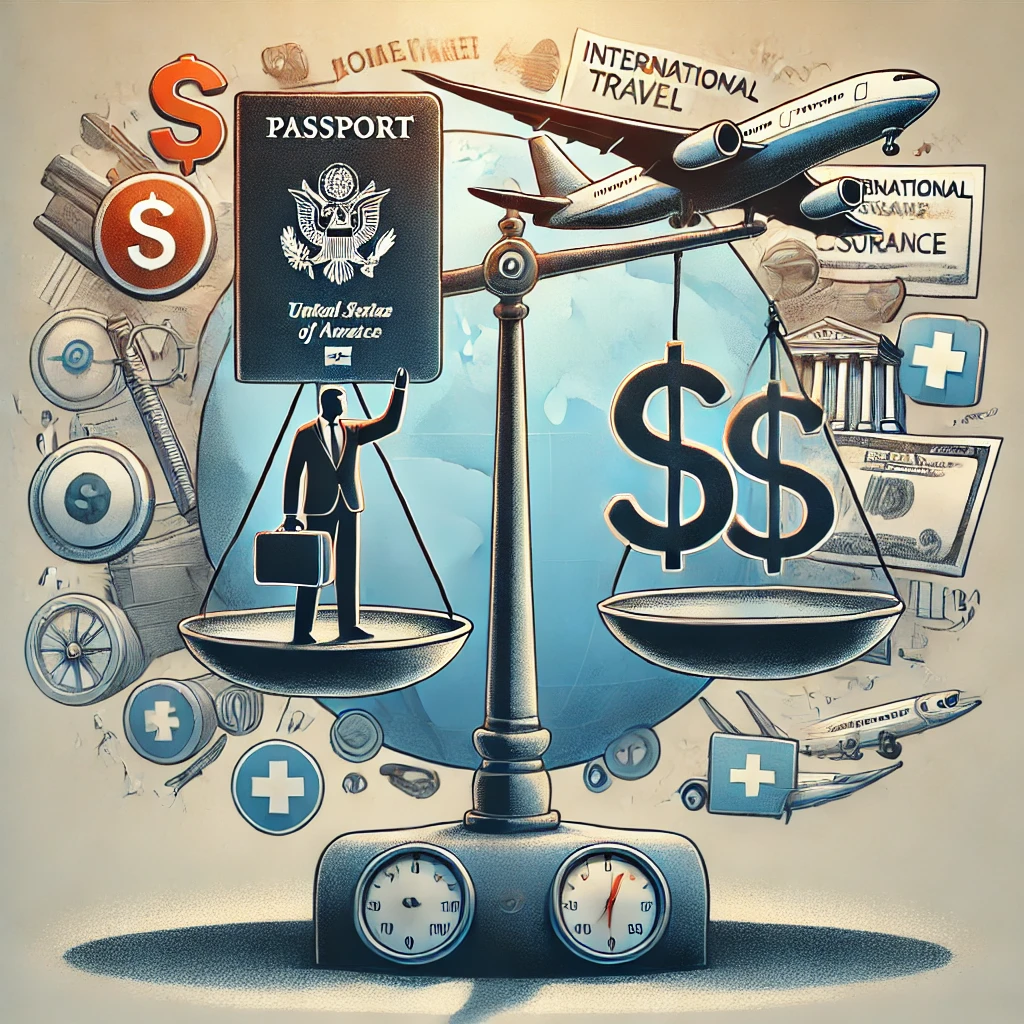
Why Is International Travel Insurance So Costly in the US?
International travel insurance is essential for covering unexpected emergencies, medical expenses, and trip interruptions while abroad. However, for many Americans, the cost of travel insurance can seem disproportionately high compared to other countries. Why is this the case? The reasons behind the high cost of international travel insurance in the US are rooted in the country’s unique healthcare system, risk factors, and consumer habits. Let’s break it down.
1. High Cost of Medical Care in the US
The cost of healthcare in the United States is among the highest in the world, and this influences the pricing of travel insurance.
a. Medical Repatriation Costs
- If you experience a medical emergency abroad and need to be flown back to the US, the costs can be astronomical.
- Air ambulances or medical evacuation flights can cost anywhere from $20,000 to $200,000, depending on your location and medical needs.
b. Global Coverage for Expensive Healthcare
- Insurance providers factor in the potential for high payouts if you require treatment abroad or need to return to the US for care. This risk translates into higher premiums for Americans compared to travelers from countries with lower healthcare costs.
2. Comprehensive Coverage Requirements
Travel insurance plans in the US often provide comprehensive coverage, which increases the overall cost.
a. What’s Included in US Plans
- Medical emergencies (e.g., hospital visits, surgeries, prescriptions).
- Trip cancellations, delays, or interruptions.
- Lost or delayed baggage.
- Emergency evacuation or repatriation.
- Accidental death or dismemberment coverage.
b. Broader Scope Than Other Countries
- In many countries, travelers can purchase basic medical coverage at a lower cost, but Americans often opt for more comprehensive plans due to higher stakes and costs involved with travel mishaps.
3. Litigation and Legal Risks
The legal environment in the US contributes to higher insurance costs due to the risk of lawsuits.
a. Higher Legal Costs
- In the event of a dispute or negligence claim, insurance providers in the US may face significant legal fees and settlement costs.
- These potential liabilities are factored into the cost of travel insurance.
b. Consumer Protections and Regulations
- Travel insurance policies in the US are subject to strict state-by-state regulations, which can increase administrative costs for providers and lead to higher premiums for consumers.
4. Limited Universal Healthcare
Unlike many countries that provide universal healthcare, the US relies heavily on private insurance systems.
a. No Automatic Medical Coverage Abroad
- Americans traveling overseas don’t have access to government-backed healthcare programs while abroad, unlike citizens from countries with reciprocal healthcare agreements.
- This lack of baseline coverage means Americans often need higher levels of insurance to cover emergencies abroad.
b. Supplemental vs. Essential Coverage
- For travelers from countries with universal healthcare, travel insurance is often supplemental and only covers non-medical risks (e.g., cancellations). For Americans, it’s a necessity for medical emergencies.
5. Risk Assessment by Insurance Companies
Insurance companies determine premiums based on perceived risk, and US travelers often fall into higher-risk categories.
a. Frequent Long-Distance Travel
- Americans often travel long distances internationally, increasing the likelihood of trip interruptions or medical issues during extended travel.
- Destinations with higher medical costs, such as Europe or Japan, may result in more expensive policies.
b. Pre-Existing Medical Conditions
- US travelers with pre-existing conditions are more likely to purchase coverage, and insurance providers may charge higher premiums due to the increased likelihood of claims.
c. Older Demographic of Travelers
- Older travelers tend to face higher premiums, as they are more likely to require medical attention during trips. The US has a significant population of retirees who travel, which drives up average policy costs.
6. Fewer Government Subsidies
In many countries, travel insurance is subsidized or supported by government-backed healthcare systems.
a. No Government Assistance
- The US government does not subsidize international travel insurance, leaving private companies to bear all financial risks.
- In contrast, countries like Canada or Australia may have agreements in place to cover citizens’ basic medical needs abroad, reducing reliance on private insurance.
b. No Reciprocal Healthcare Agreements
- Many countries have reciprocal healthcare agreements for citizens traveling between them, allowing reduced-cost or free treatment. The US has very few of these agreements, increasing the need for private coverage.
7. Low Market Competition
The travel insurance market in the US has fewer competitors compared to other countries, which can drive up costs.
a. Fewer Providers
- The US travel insurance market is dominated by a handful of major companies, such as Allianz, Travel Guard, and World Nomads. Limited competition means less pressure to lower prices.
b. High Marketing Costs
- US companies often spend heavily on marketing, which increases overall operating costs and impacts pricing.
8. Consumer Preferences for Higher Coverage
US consumers are often willing to pay more for better coverage, which influences market trends.
a. Add-On Features
- Many Americans opt for plans with add-ons like “Cancel for Any Reason” (CFAR), which increases premiums but provides flexibility for cancellations.
b. Peace of Mind
- Due to the high cost of healthcare and the risk of emergencies, Americans prioritize comprehensive coverage over cost savings, leading insurers to offer pricier but more inclusive plans.
9. Exchange Rates and Destination Costs
The cost of travel insurance can also depend on where you’re going and the strength of the US dollar.
a. High-Cost Destinations
- Insurance providers adjust premiums based on healthcare costs in the destination country. For example, traveling to Europe or Japan might cost more than visiting Southeast Asia.
b. Fluctuating Exchange Rates
- If the US dollar weakens compared to other currencies, travel insurance companies may adjust pricing to account for potential payout increases.
10. Lack of Familiarity with Alternatives
Many Americans don’t know about international or region-specific travel insurance providers, which may offer cheaper options.
a. US-Centric Providers
- Travelers often rely on large US-based companies instead of exploring options from international insurers that cater to global travelers.
b. Credit Card Coverage
- Some credit cards offer free or discounted travel insurance as a perk, but many Americans aren’t aware of these benefits and end up purchasing additional coverage unnecessarily.
Tips to Save on International Travel Insurance
While costs can be high, there are several ways to reduce the expense of travel insurance:
- Compare Policies: Use platforms like Squaremouth, InsureMyTrip, or Policygenius to compare prices and features.
- Buy Early: Purchase insurance soon after booking your trip to take advantage of lower rates and comprehensive coverage options.
- Leverage Credit Card Benefits: Check if your credit card offers travel insurance perks like trip cancellation, medical coverage, or lost baggage protection.
- Adjust Coverage Levels: If you don’t need comprehensive coverage, opt for a more basic plan that covers only medical emergencies.
- Look for Group Discounts: If traveling with family or friends, consider group policies, which are often cheaper than buying individual plans.
Final Thoughts
The high cost of international travel insurance in the US is driven by factors such as the expensive healthcare system, legal risks, limited government support, and consumer preferences for comprehensive coverage. While these costs can’t always be avoided, careful planning, comparison shopping, and using available resources can help travelers find affordable options that meet their needs.
For more tips on travel budgeting and insurance, check out helpful guides to make informed and cost-effective choices for your next trip.
Добавить комментарий