Why Is Cable TV So Expensive in the US?
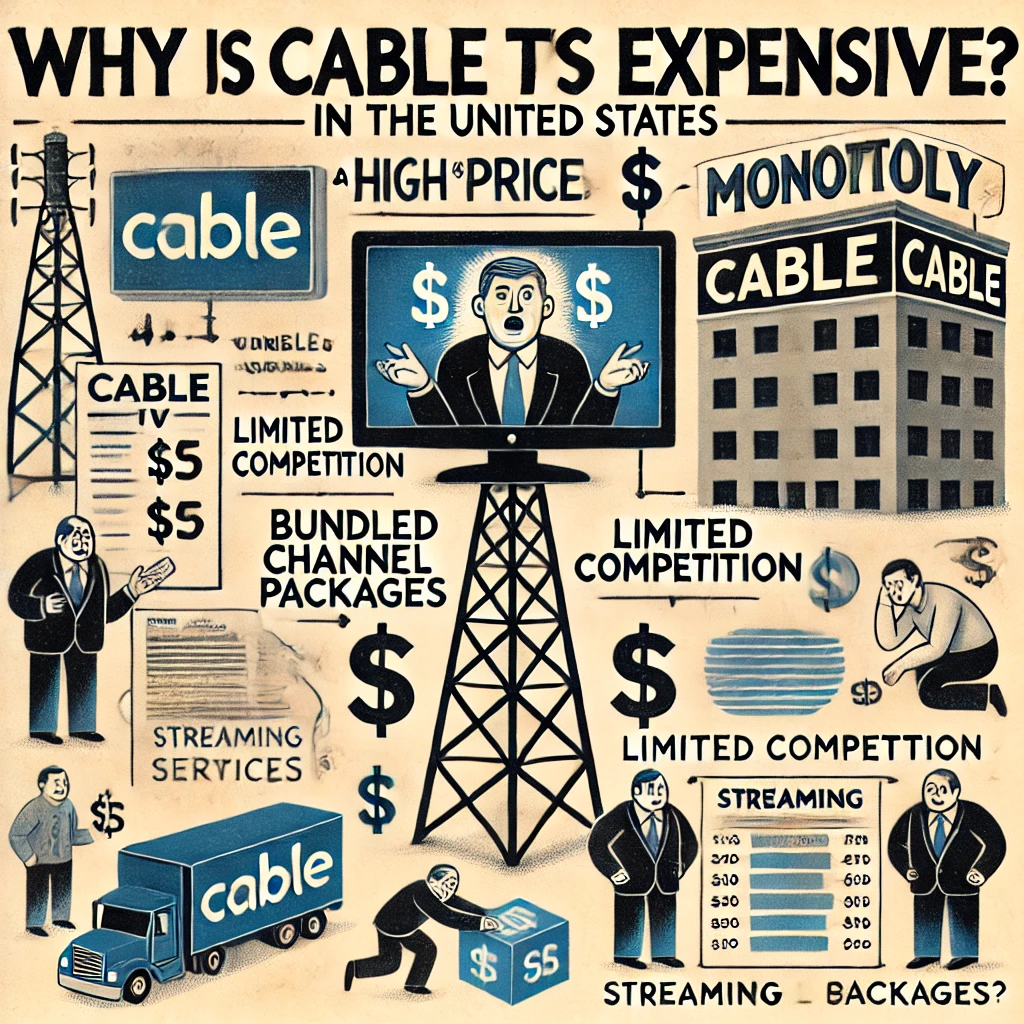
Cable TV in the United States is notoriously expensive, with prices often exceeding $100 per month for even basic packages. As streaming services continue to rise in popularity, many Americans wonder why cable TV remains so costly and whether the high prices are justified. Below, we’ll explore the key reasons why cable TV in the US is so expensive and what drives the ever-increasing costs.
1. Lack of Competition
One of the primary reasons cable TV is so expensive in the US is the lack of competition in many markets.
- Cable Monopolies: Many areas are served by only one cable provider, giving customers no choice but to pay the rates set by that company.
- Duopolies: In some regions, there might be two providers, but they rarely engage in aggressive price competition, leading to high and similar prices.
- Bundling Power: Cable providers often bundle TV, internet, and phone services, making it harder for customers to compare prices or switch providers.
Without meaningful competition, cable companies have little incentive to lower prices or improve services.
2. High Programming Costs
Cable providers must pay significant fees to carry the channels included in their packages, and these costs are passed directly to consumers.
- Rising Licensing Fees: Cable companies pay networks like ESPN, NBC, and HBO to include their channels, and these licensing fees have increased dramatically over the years.
- For example, sports networks like ESPN charge some of the highest carriage fees in the industry, even if you don’t watch sports.
- Content Production Costs: As networks invest in high-quality shows, live sports, and exclusive events, they demand higher fees from cable providers.
- Premium Channels: Add-ons like HBO, Showtime, or Starz come with their own high costs, which drive up your bill if you choose to include them.
3. Bundling and Forced Packages
Cable providers often require customers to purchase large bundles of channels, even if they only watch a few.
- Lack of A La Carte Options: Unlike streaming services that let you pick and choose your subscriptions, cable companies often force customers to pay for hundreds of channels, many of which go unwatched.
- Hidden Fees: Cable packages frequently include broadcast fees, regional sports fees, and equipment rental charges, inflating the total cost.
- For example, a basic package might advertise a $70 monthly rate, but the final bill could exceed $100 after fees and taxes.
4. Rising Sports Costs
Sports programming is one of the biggest cost drivers for cable TV.
- Exclusive Rights: Networks like ESPN, Fox Sports, and regional sports channels spend billions acquiring exclusive broadcasting rights for major leagues like the NFL, NBA, and MLB. These costs are passed on to cable companies and, ultimately, to consumers.
- Mandatory Sports Channels: Even non-sports fans end up paying for expensive sports channels as part of their cable package, driving frustration among customers.
5. Infrastructure and Operational Costs
The infrastructure required to deliver cable TV is expensive to maintain.
- Physical Infrastructure: Cable providers must build and maintain networks of cables, satellites, and equipment to deliver service to millions of households.
- Labor Costs: Technicians, customer service representatives, and other employees add to operational expenses.
- Equipment Rentals: Customers are often required to rent cable boxes, DVRs, and remotes, which adds recurring costs to their monthly bills.
6. Lack of Regulation
Unlike utilities like electricity or water, cable TV is not as heavily regulated in the US.
- Local Franchises: Cable companies often sign franchise agreements with local governments, giving them exclusive access to certain regions.
- No Price Caps: Unlike some countries that regulate cable prices, US providers have more freedom to set rates.
- Lobbying Power: Large cable companies, like Comcast and Charter, spend millions lobbying to maintain their market dominance and prevent tighter regulations.
7. Hidden Fees and Additional Charges
Cable bills are often riddled with fees that significantly inflate the cost beyond the advertised price.
- Broadcast TV Fees: Providers charge fees to cover the costs of retransmitting local channels like ABC, CBS, or NBC, even though these channels are free over-the-air.
- Regional Sports Fees: Even if you don’t watch sports, you may still pay fees to cover the cost of sports channels in your region.
- Equipment Rental Fees: Renting cable boxes, DVRs, and modems can add $10–$20 per month to your bill.
- Taxes and Surcharges: State and local taxes, as well as other surcharges, further increase your total cost.
8. Cord-Cutting Trends
As more people switch to streaming services, cable providers are losing subscribers, but instead of lowering prices, they often increase costs for their remaining customers.
- Revenue Losses: Fewer subscribers mean less revenue for cable companies, prompting them to raise prices for existing customers to maintain profits.
- Streaming Competition: Services like Netflix, Hulu, and YouTube TV are more affordable alternatives, putting pressure on cable companies to innovate—but they still cling to legacy pricing models.
9. Contracts and Early Termination Fees
Many cable providers lock customers into long-term contracts with hefty penalties for early termination.
- Lack of Flexibility: Contracts make it difficult for customers to switch providers or downgrade services, forcing them to stay locked into expensive plans.
- Promotional Pricing Tricks: Providers often lure new customers with low introductory rates, which increase significantly after the promotional period ends.
10. Comparison to Other Countries
Cable TV in the US is notably more expensive than in many other countries.
- Heavily Regulated Markets: In countries like the UK and Canada, cable prices are more regulated, and consumers often have a la carte options for channels.
- Publicly Funded Media: In countries like Germany or Japan, publicly funded broadcasters reduce the reliance on private networks and their high licensing fees.
- Smaller Channel Packages: Some countries allow customers to customize smaller, more affordable packages, unlike the massive bundles common in the US.
How to Save Money on Cable TV
If you’re tired of paying high cable bills, there are ways to save money or switch to more affordable alternatives:
- Negotiate with Your Provider: Call your cable company and ask for discounts, promotional pricing, or to remove unwanted channels.
- Cut the Cord: Switch to streaming services like Hulu Live, Sling TV, or YouTube TV for live TV options at a fraction of the cost.
- Use Free Over-the-Air TV: Invest in a digital antenna to access local channels for free.
- Bundle Smartly: If you need both internet and TV, look for bundled deals, but be sure to compare pricing carefully.
- Evaluate Your Plan: Review your cable package and downgrade to a cheaper plan if you’re paying for channels you don’t watch.
Final Thoughts
Cable TV in the US is expensive due to a combination of monopolistic practices, high programming costs, outdated business models, and a lack of consumer choice. As streaming services continue to gain popularity, cable providers face increasing pressure to adapt, but for now, high costs remain a significant frustration for many customers.
For more tips on cutting costs and managing subscriptions, check out helpful guides to take control of your entertainment budget.
Добавить комментарий