Water Taste Weird
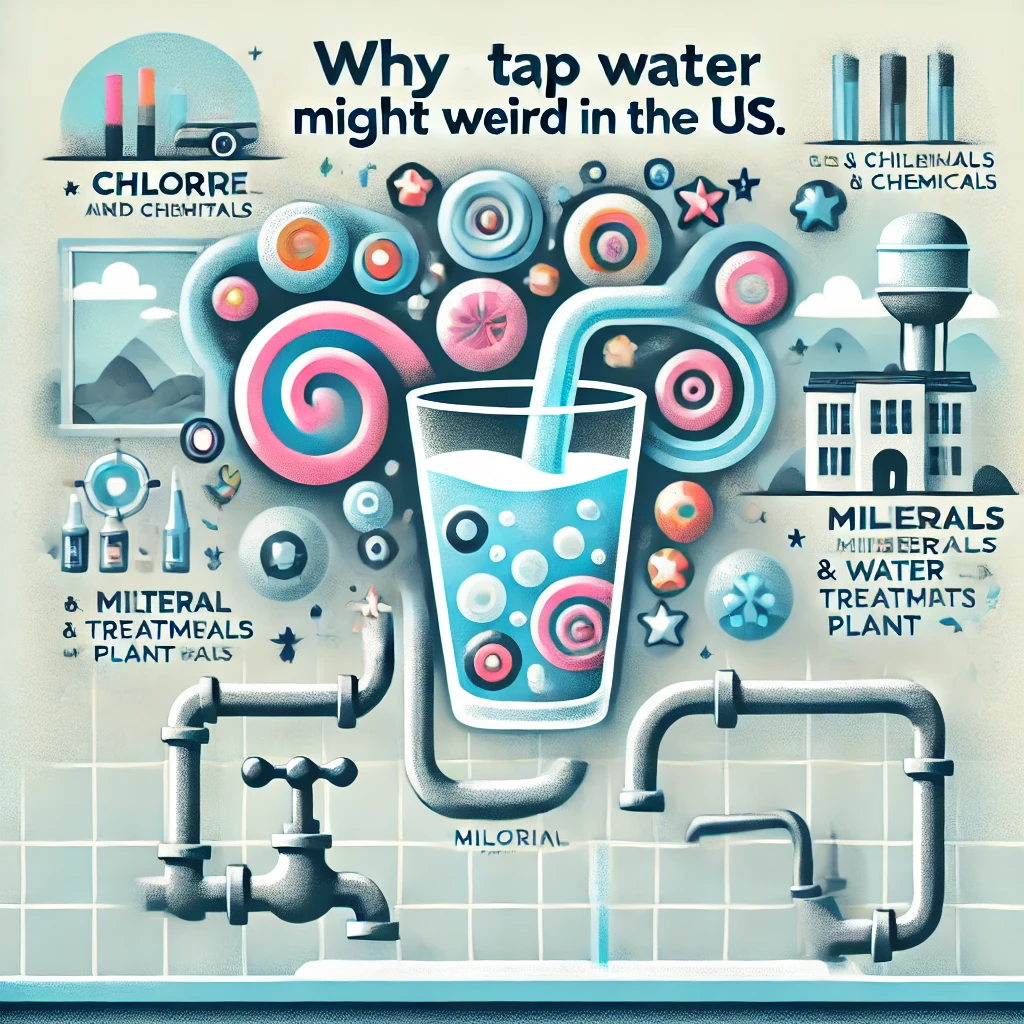
If you’ve ever noticed that tap water in the United States tastes strange or different, you’re not alone. Many people report variations in taste depending on where they live. This “weird” taste is influenced by several factors, including the source of the water, the treatment process, and even the plumbing systems. Let’s dive into the reasons behind this phenomenon.
1. Water Source and Mineral Content
Tap water in the US comes from various sources such as rivers, lakes, reservoirs, or underground wells. Each source has a unique mineral composition, which can significantly impact the taste. For instance, groundwater tends to have higher concentrations of minerals like calcium and magnesium, giving it a slightly “hard” or metallic taste. Surface water, on the other hand, may have fewer minerals but could contain organic compounds that alter its flavor.
2. Chlorine Treatment
One of the most common reasons for an unusual taste in tap water is the presence of chlorine. Municipal water treatment facilities add chlorine to kill bacteria and other harmful microorganisms. While this is essential for making the water safe to drink, it can leave a chemical taste or smell that some people find unpleasant.
3. Regional Differences in Water Treatment
The taste of tap water can vary widely from one state to another due to differences in water treatment methods. Some regions use chloramines (a combination of chlorine and ammonia) instead of chlorine, which has a distinct taste. Additionally, the use of fluoride, which is added to promote dental health, can slightly alter the flavor.
4. Old or Corroded Plumbing
In older homes, outdated plumbing systems may contribute to the odd taste of tap water. Corroded pipes can leach metals like copper or iron into the water, resulting in a metallic or rusty flavor. This issue is more common in areas with aging infrastructure or homes with older plumbing materials.
5. Seasonal Variations
The taste of tap water can also change depending on the season. For example, during warmer months, algae blooms in water sources can produce compounds that give the water an earthy or musty taste. Although treatment plants remove most of these compounds, trace amounts may remain, affecting the flavor.
6. Personal Sensitivity
Not everyone perceives the taste of tap water the same way. Some people are more sensitive to certain minerals or treatment chemicals, making the taste more noticeable to them. Additionally, if you’re used to bottled or filtered water, tap water might taste “off” simply because it’s different from what you’re accustomed to.
How to Improve the Taste of Tap Water
If you’re not a fan of how your tap water tastes, there are simple ways to improve it:
- Use a water filter: Filters can remove chlorine, metals, and other impurities, leaving your water tasting cleaner.
- Let it sit: Allowing tap water to sit in an open container for a few hours can help the chlorine dissipate.
- Try a pitcher with activated carbon: Pitchers with carbon filters are affordable and effective for improving taste and odor.
For more tips on improving your photography and editing skills, check out helpful guides to take your selfies to the next level.
Добавить комментарий