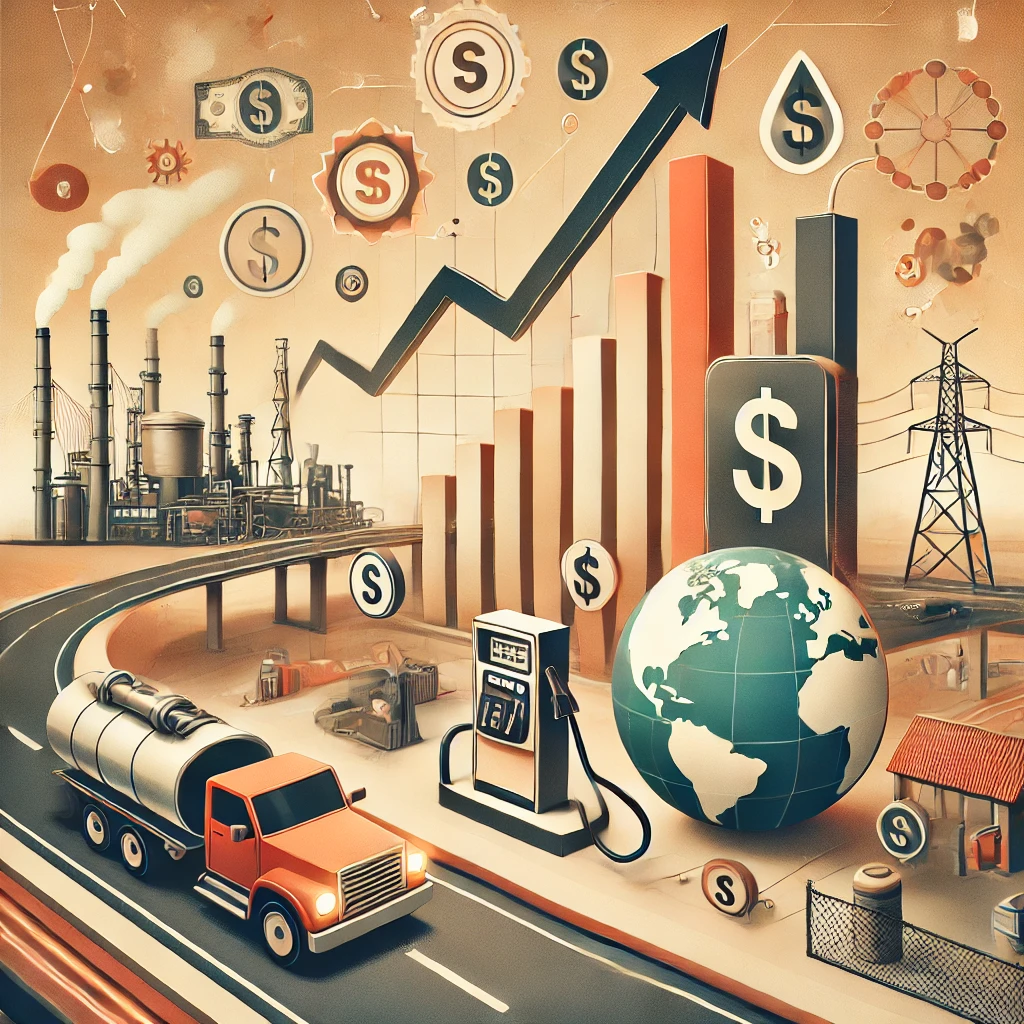
Gas Prices
Gas prices in the United States can rise unexpectedly, leaving many Americans wondering why they’re paying more at the pump. The truth is, several factors influence the cost of gasoline, from global events to domestic policies. Below, we’ll break down the main reasons gas prices are so high in the US.
1. Crude Oil Prices
Crude oil is the primary component of gasoline, and its price has a significant impact on gas prices.
- What Drives Crude Oil Prices:
- Supply and demand in the global market.
- Geopolitical events, such as wars or sanctions, that disrupt production in major oil-exporting countries.
- Decisions by OPEC (Organization of the Petroleum Exporting Countries), which controls a large portion of the world’s oil supply.
- How It Affects You: When crude oil prices rise, gas stations must charge more to cover their costs.
2. Supply Chain Disruptions
Any disruption in the supply chain can lead to higher gas prices.
- Examples of Disruptions:
- Natural disasters, like hurricanes, which can damage refineries and pipelines.
- Maintenance or shutdowns at oil refineries, which reduce fuel production.
- Labor shortages or strikes that affect transportation and refining.
- Impact: Even temporary disruptions can cause a spike in prices due to reduced availability of fuel.
3. Refining and Production Costs
The cost of refining crude oil into gasoline also plays a role in gas prices.
- Factors Affecting Refining Costs:
- Seasonal changes: Gasoline formulations differ in summer and winter, with summer blends being more expensive to produce due to environmental regulations.
- Aging infrastructure: Older refineries may require costly updates to maintain production.
- Rising costs of materials and labor in the refining process.
4. Taxes and Fees
Gas prices in the US include federal, state, and local taxes, which can vary widely depending on where you live.
- Federal Gas Tax: The federal government charges 18.4 cents per gallon.
- State Taxes: States add their own taxes, which range from a few cents to over 50 cents per gallon.
- Local Fees: Some municipalities impose additional fees or taxes, further driving up costs.
- Impact: States like California, with higher taxes and stricter environmental regulations, often have the highest gas prices.
5. Demand for Gasoline
Demand plays a critical role in determining gas prices.
- Peak Seasons: Gas prices often rise during summer and holiday travel seasons, when more people hit the road.
- Economic Activity: A booming economy can lead to higher demand for fuel as businesses and consumers increase transportation and shipping.
- Post-Pandemic Recovery: As travel and commuting resumed after the COVID-19 pandemic, demand for gasoline surged, contributing to higher prices.
6. Global Geopolitical Events
Tensions and conflicts in oil-producing regions can disrupt global supply and raise prices.
- Examples:
- The Russian invasion of Ukraine caused significant disruptions in the global oil market, as sanctions limited Russia’s oil exports.
- Middle Eastern conflicts can also destabilize global production and push prices higher.
- Impact: Even the anticipation of supply disruptions can lead to speculative price increases.
7. Exchange Rates and the US Dollar
Crude oil is traded in US dollars on the global market.
- How It Works:
- When the US dollar weakens, it becomes more expensive for other countries to purchase oil, reducing global demand.
- A stronger dollar can have the opposite effect, making oil cheaper globally but not necessarily lowering prices at the pump due to other factors.
8. Environmental Regulations
Strict environmental regulations can increase the cost of producing and distributing gasoline.
- Fuel Blends: Some states, like California, require cleaner-burning fuel blends to meet air quality standards, which are more expensive to produce.
- Renewable Energy Mandates: Efforts to reduce reliance on fossil fuels may increase short-term costs for gasoline production.
- Impact: These regulations vary by state, contributing to regional differences in gas prices.
9. Speculation in the Oil Market
The oil market is heavily influenced by speculation, which can drive up prices even when there’s no immediate shortage.
- How It Works: Traders buy and sell oil futures contracts based on anticipated supply and demand.
- Effect: If traders expect disruptions, such as a hurricane or geopolitical tension, prices may rise in anticipation, even if supply remains stable.
10. Regional Factors and Infrastructure
Gas prices can vary greatly between regions due to transportation and infrastructure limitations.
- West Coast: Higher prices due to stricter environmental regulations and limited refining capacity.
- Midwest: Prices may fluctuate due to reliance on pipelines that can be disrupted by maintenance or weather.
- Rural Areas: Transportation costs can be higher, leading to more expensive fuel in remote locations.
How to Save on Gas Despite High Prices
If you’re looking to offset the impact of high gas prices, here are a few tips:
- Use Gas Rewards Programs: Many grocery stores and gas stations offer loyalty programs that provide discounts on fuel.
- Compare Prices: Apps like GasBuddy can help you find the cheapest gas in your area.
- Drive Efficiently: Reduce fuel consumption by avoiding aggressive driving, maintaining a steady speed, and keeping your tires properly inflated.
- Carpool or Use Public Transit: Sharing rides or taking public transportation can help lower your fuel expenses.
Final Thoughts
High gas prices in the US are the result of a complex mix of global and domestic factors, including crude oil prices, refining costs, taxes, and geopolitical events. While these factors are often beyond consumers’ control, understanding the reasons behind price fluctuations can help you make informed decisions and explore ways to save.
For more tips on improving your photography and editing skills, check out helpful guides to take your selfies to the next level.
Добавить комментарий