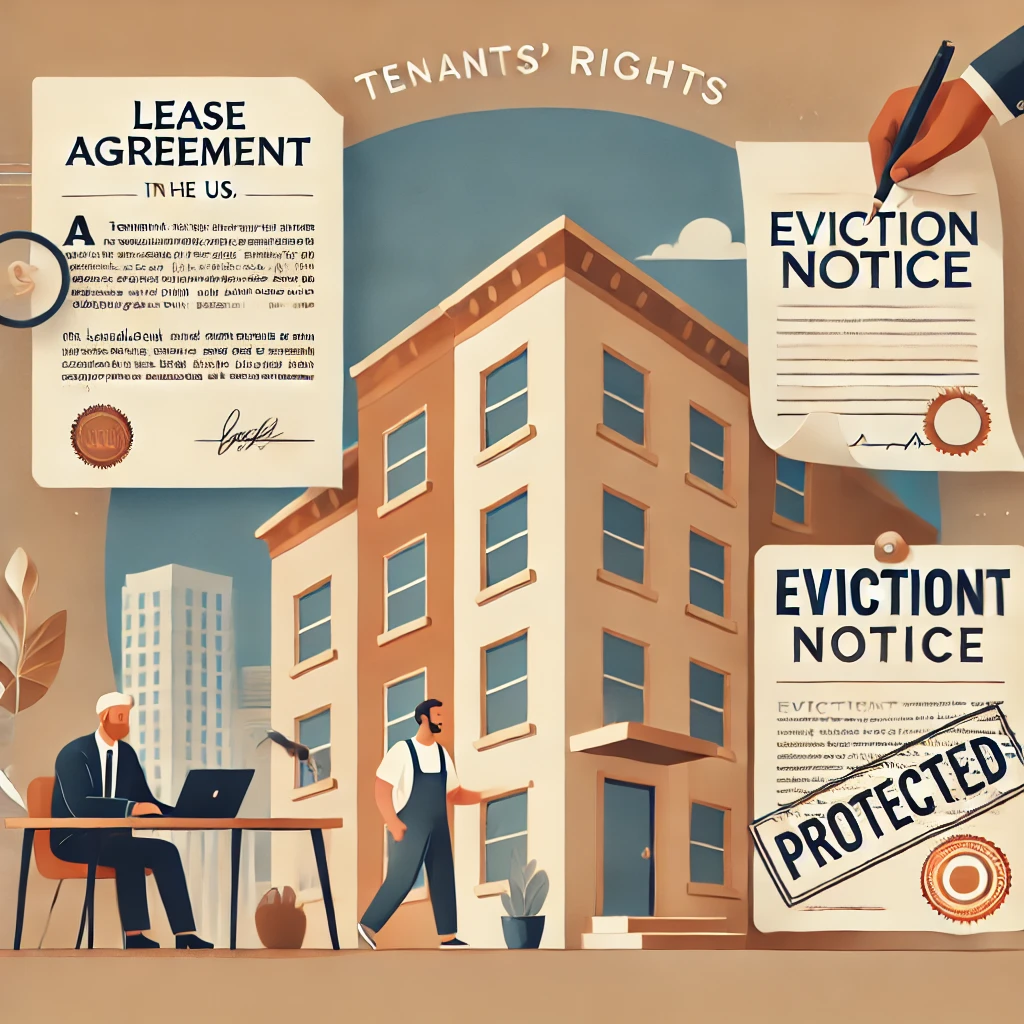
What Are Tenants’ Rights in the US?
Renting a home or apartment in the US comes with certain rights and protections for tenants. These rights are governed by federal, state, and local laws, ensuring that renters are treated fairly and have access to safe and habitable housing. While specific rights vary depending on the state and city, there are general protections that apply to tenants nationwide. Here’s a comprehensive guide to tenants’ rights in the US and what you need to know.
1. Right to a Habitable Home
All tenants in the US have the right to live in a safe and habitable home, regardless of the state.
- Implied Warranty of Habitability: Landlords are required to provide housing that meets basic living standards, including:
- Functioning plumbing and heating.
- Access to clean water and electricity.
- Structural safety (e.g., no major leaks, mold, or infestations).
- Repairs and Maintenance: Landlords must address serious repair issues in a timely manner, especially those affecting health and safety.
What You Can Do:
- If a landlord fails to make repairs, you may have the right to withhold rent, make the repairs yourself and deduct the cost, or report the issue to local housing authorities (laws vary by state).
2. Right to Privacy
Tenants have the right to enjoy their home without unnecessary interference from the landlord.
- Landlord Entry:
- Landlords must provide advance notice (typically 24–48 hours, depending on state law) before entering your rental unit, except in emergencies.
- Entry is usually allowed for reasons such as repairs, inspections, or showing the unit to potential tenants.
- Limits on Surveillance: Landlords cannot install surveillance equipment in private areas like bedrooms or bathrooms.
What You Can Do:
- If a landlord violates your privacy, document the incidents and seek legal advice if necessary.
3. Protection Against Discrimination
Federal law prohibits housing discrimination under the Fair Housing Act.
- Protected Classes: Landlords cannot discriminate based on:
- Race, color, or national origin.
- Religion.
- Sex, including gender identity and sexual orientation.
- Familial status (e.g., having children).
- Disability.
- Examples of Discrimination:
- Refusing to rent to someone based on their ethnicity.
- Charging higher rent to families with children.
- Denying reasonable accommodations for tenants with disabilities (e.g., allowing a service animal or installing a wheelchair ramp).
What You Can Do:
- If you experience discrimination, file a complaint with the Department of Housing and Urban Development (HUD) or contact a local fair housing agency.
4. Right to Fair Treatment and Notice
Tenants are entitled to fair treatment and proper notice before any significant changes to their rental agreement.
- Lease Terms:
- Landlords cannot change the terms of a lease (e.g., raising rent or changing policies) during the lease period without your consent.
- For month-to-month tenants, changes typically require 30 days’ notice (or longer, depending on state law).
- Eviction Protections:
- Tenants cannot be evicted without proper notice and a valid reason (e.g., nonpayment of rent or lease violations).
- Landlords must follow legal eviction procedures, including filing a court case and obtaining an eviction order.
What You Can Do:
- If you’re facing eviction, attend the court hearing and seek legal help to protect your rights.
5. Security Deposit Protections
Most states have laws regulating how landlords handle security deposits.
- Deposit Limits: Many states cap the amount a landlord can charge for a security deposit (e.g., one or two months’ rent).
- Return of Deposits:
- Landlords must return your security deposit within a specified timeframe (e.g., 14–30 days after moving out).
- Deductions can only be made for unpaid rent, damage beyond normal wear and tear, or cleaning costs if specified in the lease.
- Documentation: Landlords are often required to provide an itemized list of any deductions.
What You Can Do:
- Document the condition of the rental unit when you move in and out (e.g., take photos) to protect your security deposit.
6. Right to Reasonable Accommodations
Tenants with disabilities have the right to request reasonable accommodations under the Fair Housing Act and the Americans with Disabilities Act (ADA).
- Examples of Accommodations:
- Installing grab bars in bathrooms.
- Allowing service or emotional support animals, even if the property has a «no pets» policy.
- Providing accessible parking spaces.
- Landlord Obligations: Landlords must grant reasonable accommodations unless doing so would cause an undue financial or administrative burden.
What You Can Do:
- Submit accommodation requests in writing and provide documentation if necessary (e.g., a letter from a healthcare provider).
7. Rent Control and Rent Stabilization
In some cities, tenants are protected by rent control or rent stabilization laws that limit rent increases.
- Rent Control: Caps the amount landlords can charge for rent and may apply to specific types of properties.
- Rent Stabilization: Limits the frequency and size of rent increases, ensuring greater affordability.
- Examples: Rent control laws exist in cities like New York, San Francisco, and Los Angeles.
What You Can Do:
- Check whether your rental unit falls under local rent control or stabilization laws and report violations to the appropriate agency.
8. Right to Be Free from Retaliation
Landlords cannot retaliate against tenants for asserting their legal rights.
- Examples of Retaliation:
- Raising rent, cutting off utilities, or attempting to evict you because you reported a health or safety violation.
- Refusing to renew your lease after you filed a complaint.
- Legal Protections: Many states have laws specifically prohibiting landlord retaliation.
What You Can Do:
- Document incidents of retaliation and report them to local housing authorities or legal aid organizations.
9. Protection from Unlawful Fees and Practices
Tenants have the right to be protected from unfair fees and illegal practices.
- Late Fees: Landlords can only charge late fees if they are outlined in the lease agreement and comply with state laws.
- Utility Billing: If utilities are shared, landlords must clearly explain how charges are divided and ensure fairness.
- Illegal Practices: Landlords cannot lock you out, shut off utilities, or remove your belongings as a way to force you to move out (known as a “self-help eviction”).
What You Can Do:
- Report unlawful practices to local tenant advocacy organizations or housing authorities.
10. Right to Legal Recourse
Tenants have the right to take legal action if their rights are violated.
- Small Claims Court: You can sue your landlord for issues like unreturned security deposits or failure to make repairs.
- Tenant Advocacy Groups: Many organizations provide free or low-cost legal advice and support for renters.
- Legal Aid Services: Seek assistance from legal aid offices that specialize in landlord-tenant disputes.
What You Can Do:
- Keep detailed records of your lease, payments, and communications with your landlord to strengthen your case.
Final Thoughts
Tenants in the US are protected by a variety of federal, state, and local laws designed to ensure fair treatment, safe housing, and protection from exploitation. However, laws and protections vary widely depending on where you live, so it’s important to research the tenant laws in your state or city. By knowing your rights and responsibilities, you can better navigate the rental process and advocate for yourself if issues arise.
For more tips on improving your photography and editing skills, check out helpful guides to take your selfies to the next level.
Добавить комментарий