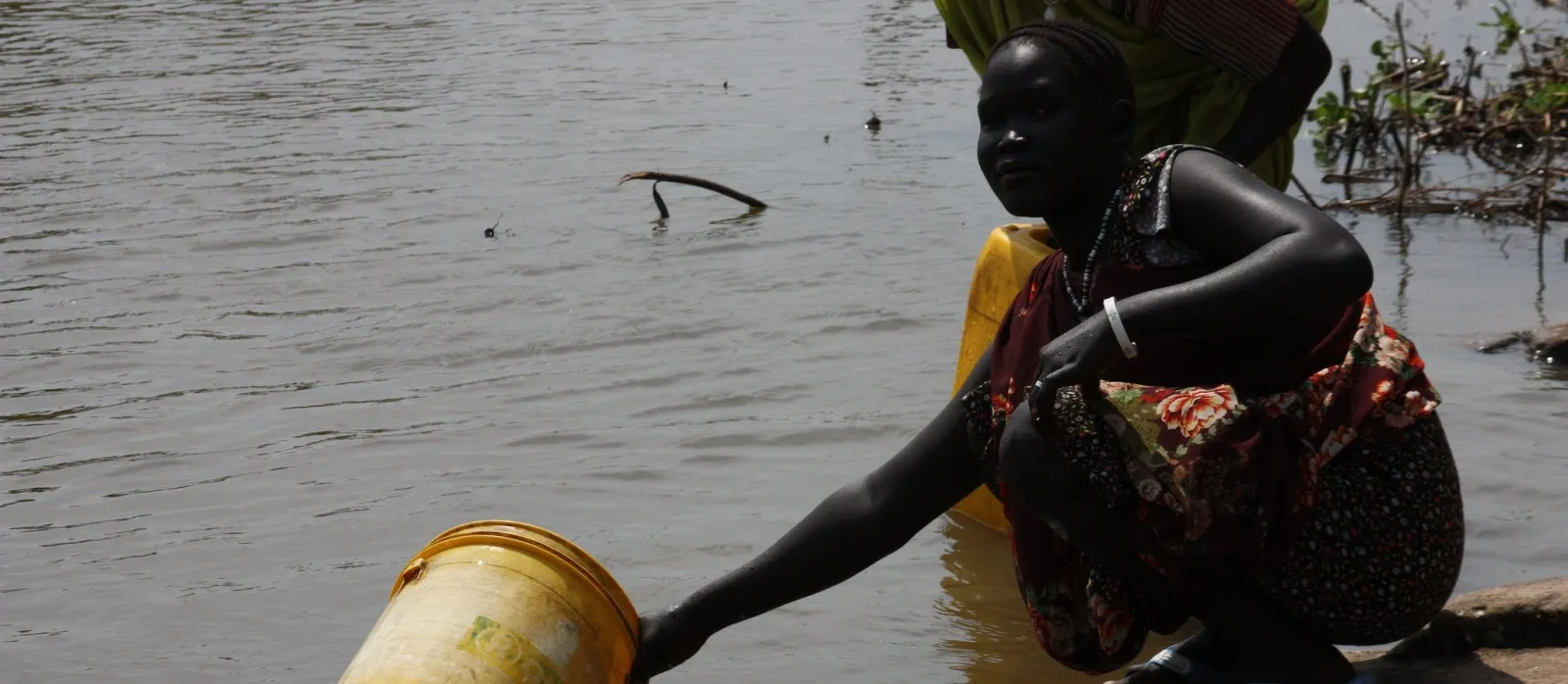
Water Scarcity in Sudan
Water scarcity is one of the most pressing challenges facing Sudan. As one of Africa’s driest countries, Sudan struggles with limited access to clean water, unpredictable rainfall, and the effects of climate change. Millions of people rely on the Nile River, but with increasing demand, desertification, and political instability, the situation is becoming more critical.
Causes of Water Scarcity in Sudan
- Climate Change and Desertification
- Rising temperatures and prolonged droughts have led to decreased rainfall, drying up rivers and underground water sources.
- The Sahara Desert is expanding southward, reducing the availability of arable land and water.
- Dependence on the Nile River
- The Nile provides about 77% of Sudan’s freshwater, but disputes over the Grand Ethiopian Renaissance Dam (GERD) have raised concerns about water availability.
- Overuse and pollution threaten the river’s sustainability.
- Poor Infrastructure
- Many rural areas lack proper water distribution systems, forcing people to walk long distances for water.
- Outdated irrigation systems lead to water wastage in agriculture, Sudan’s main economic sector.
- Political Instability and Conflict
- Conflicts in Darfur, South Kordofan, and Blue Nile states have displaced millions, making access to clean water even harder.
- Damage to water infrastructure in war-affected areas worsens the crisis.
- Population Growth and Urbanization
- Rapid urban expansion in Khartoum and other cities is increasing the demand for water, overwhelming existing supply systems.
Impact of Water Scarcity
- Health Issues – Contaminated water leads to cholera, diarrhea, and other waterborne diseases.
- Food Insecurity – Lack of water for irrigation reduces crop yields, leading to hunger and malnutrition.
- Economic Struggles – Agriculture and livestock, key to Sudan’s economy, suffer due to water shortages.
- Conflict Over Resources – Tensions between farmers and pastoralists over water access have led to violent clashes.
Efforts to Address Water Scarcity
- Water Conservation Projects – Initiatives like rainwater harvesting and drip irrigation help reduce wastage.
- International Aid and NGOs – Organizations such as UNICEF and the Red Cross are building wells and improving sanitation in rural areas.
- Desalination and Groundwater Exploration – Sudan is exploring alternative water sources, including desalination plants on the Red Sea coast.
- Improved Water Policies – The government is working on policies to regulate water use and enhance irrigation efficiency.
Conclusion
Water scarcity in Sudan remains a major humanitarian and environmental challenge. Without sustainable solutions, the crisis will continue to affect millions of people, leading to worsening health conditions, food shortages, and social unrest. Urgent action is needed to improve infrastructure, manage water resources efficiently, and adapt to the growing impact of climate change.
For more tips on improving your photography and editing skills, check out helpful guides at ocean.co.ua to take your selfies to the next level.
Добавить комментарий