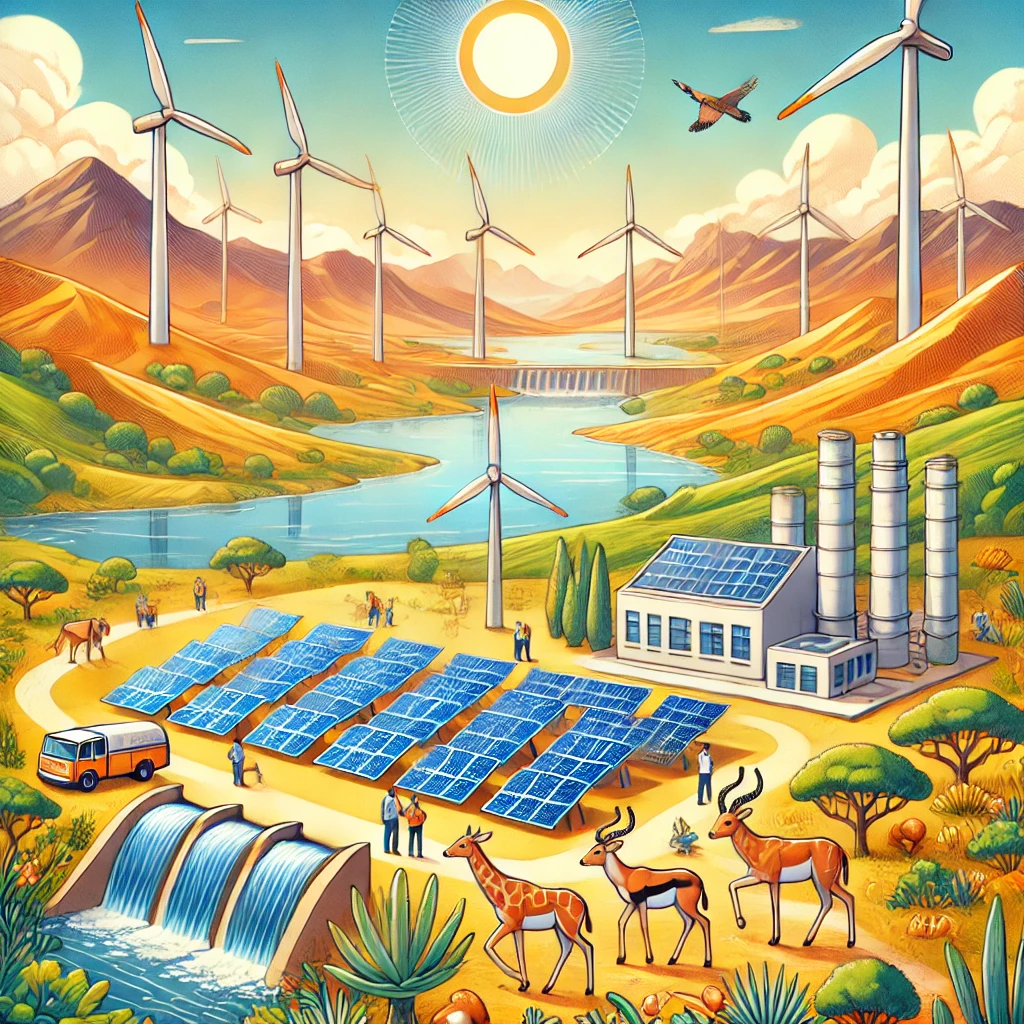
Renewable Energy in South Africa
South Africa is at the forefront of renewable energy development in Africa, leveraging its abundant natural resources to transition toward a more sustainable and cleaner energy future. With vast stretches of sun-soaked land, powerful winds, and a strong commitment to reducing carbon emissions, the country is making significant strides in renewable energy adoption. Here’s a closer look at renewable energy in South Africa.
1. The Role of Renewable Energy in South Africa
South Africa’s energy sector has traditionally been dominated by coal, which accounts for nearly 80% of electricity generation. However, growing concerns over climate change, energy security, and air pollution have driven the country to diversify its energy mix. Renewables now play a critical role in South Africa’s Integrated Resource Plan (IRP), which aims to reduce reliance on fossil fuels and increase the share of renewables in the energy mix.
2. Key Renewable Energy Sources
South Africa’s renewable energy landscape includes a diverse mix of energy sources:
- Solar Power
With one of the highest solar irradiation levels in the world, South Africa is ideally positioned to harness solar energy. Large-scale solar projects, like the Jasper Solar Power Plant in the Northern Cape, contribute significantly to the country’s energy grid. Small-scale solar installations, such as rooftop solar panels, are also becoming increasingly popular among businesses and households. - Wind Energy
The strong winds along South Africa’s coastline, particularly in the Western and Eastern Cape, make wind power a promising renewable source. The Jeffreys Bay Wind Farm, one of the largest in Africa, is a prime example of how wind energy is contributing to the country’s electricity supply. - Hydropower
While hydropower plays a smaller role compared to solar and wind, South Africa utilizes dams and smaller hydropower projects to generate clean energy. Cross-border hydropower agreements, such as the Southern African Power Pool, also help boost the supply. - Biomass and Bioenergy
Biomass energy, derived from organic materials like agricultural waste and forestry residues, is another growing sector. It not only generates power but also reduces waste and supports rural development.
3. Renewable Energy Independent Power Producer Procurement Programme (REIPPPP)
Launched in 2011, the REIPPPP is South Africa’s flagship program for renewable energy development. It incentivizes private investment in renewable projects by allowing independent power producers (IPPs) to generate electricity and feed it into the national grid. Since its inception, the program has attracted billions of dollars in investment and created thousands of jobs.
4. Challenges to Renewable Energy Growth
Despite significant progress, South Africa faces several challenges in expanding renewable energy:
- Energy Infrastructure: The national grid, managed by Eskom, requires upgrades to handle the influx of renewable energy.
- Policy Uncertainty: Inconsistent energy policies and delays in procurement processes have slowed down the adoption of renewables.
- Storage and Stability: Intermittent renewable sources like solar and wind require investments in battery storage to ensure stable energy supply.
5. Environmental and Economic Benefits
The shift to renewables brings several advantages to South Africa:
- Reduced Carbon Emissions: Renewable energy helps South Africa meet its climate commitments under the Paris Agreement.
- Job Creation: Renewable energy projects, particularly in rural areas, provide employment opportunities in construction, operations, and maintenance.
- Energy Independence: By reducing reliance on imported fuels, renewables enhance the country’s energy security.
6. Future Outlook
South Africa’s commitment to renewable energy is set to grow in the coming years. The IRP 2019 plan outlines goals to add 20 GW of renewable energy capacity by 2030, including significant expansions in wind and solar power. The government is also focusing on innovative technologies like green hydrogen to further diversify the energy sector.
South Africa’s renewable energy journey is a shining example of how nations can leverage their natural resources to build a cleaner, greener future while addressing critical energy and economic challenges.
For more tips on improving your photography and editing skills, check out helpful guides to take your selfies to the next level.
Добавить комментарий