How to Cook
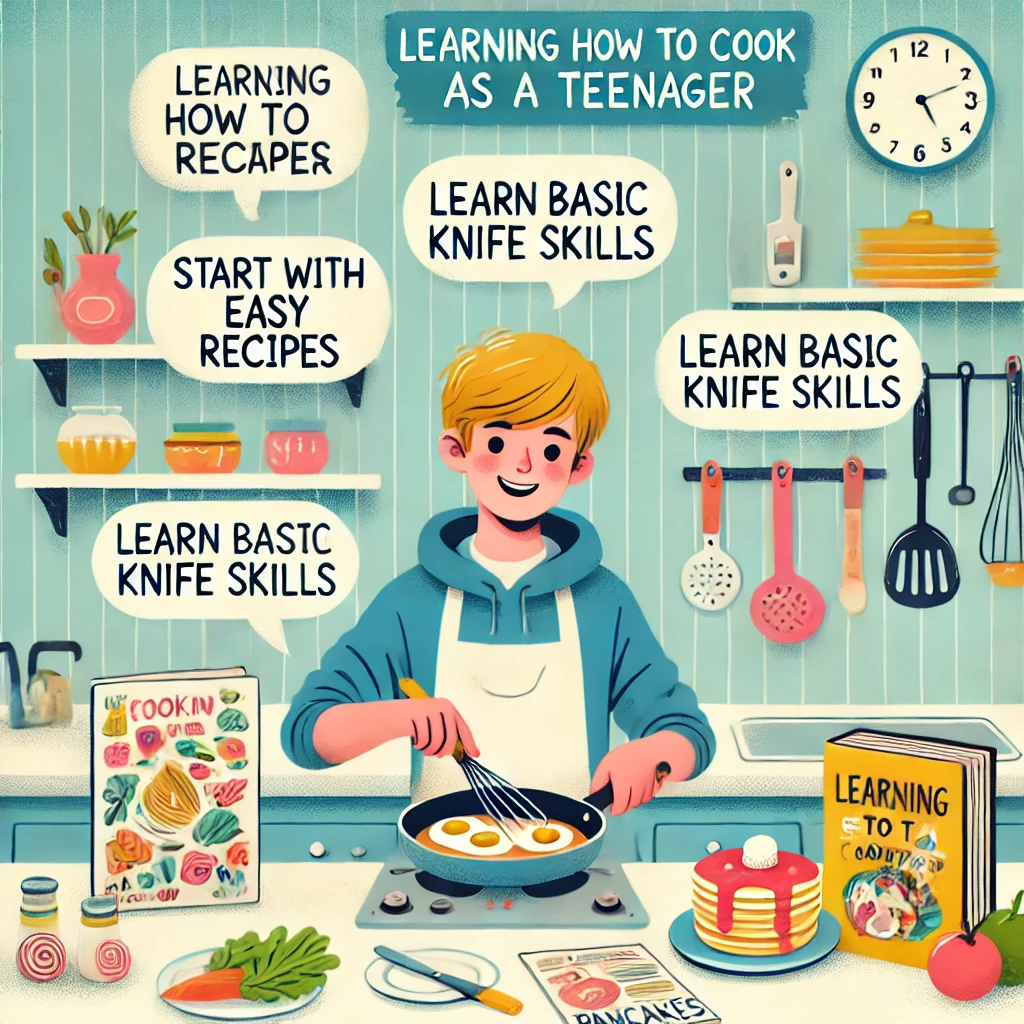
Learning how to cook is a valuable skill that sets you up for independence, creativity, and healthier eating habits. As a teenager, cooking can be a fun and rewarding activity that allows you to explore flavors, impress friends and family, and even prepare for college life. Here’s a step-by-step guide to get you started.
1. Start with the Basics
Why It Helps:
Understanding the fundamentals gives you a strong foundation to build upon.
How to Do It:
- Learn simple techniques like chopping, sautéing, boiling, and baking.
- Familiarize yourself with basic tools like knives, cutting boards, pots, and pans.
- Practice reading recipes and understanding measurements.
Tip: Start with simple dishes like scrambled eggs, pasta, or grilled cheese.
2. Explore Online Resources and Apps
Why It Helps:
Digital platforms offer tutorials, recipes, and inspiration for beginner cooks.
Recommended Resources:
- YouTube: Channels like Tasty, Babish Culinary Universe, and The Food Network.
- Cooking Apps: Apps like Tasty, Yummly, or Kitchen Stories for easy-to-follow recipes.
- Websites: Visit sites like AllRecipes or Epicurious for beginner-friendly ideas.
Tip: Watch videos to see techniques in action before trying them yourself.
3. Start with Easy Recipes
Why It Helps:
Simple recipes help you build confidence and avoid frustration.
Examples:
- Breakfast: Pancakes, smoothies, or avocado toast.
- Lunch: Sandwiches, wraps, or salads with homemade dressing.
- Dinner: Stir-fry, tacos, or spaghetti with marinara sauce.
Tip: Look for recipes with 5–7 ingredients to keep things manageable.
4. Practice Food Safety
Why It Helps:
Safe food handling prevents illness and ensures your meals are hygienic.
How to Do It:
- Wash your hands before cooking and after handling raw meat or eggs.
- Use separate cutting boards for raw meat and vegetables.
- Store perishable items like dairy and meat in the fridge promptly.
Tip: Keep a kitchen thermometer handy to check the internal temperature of cooked meats.
5. Experiment with Ingredients
Why It Helps:
Playing with flavors and ingredients lets you discover what you like and boosts creativity.
How to Do It:
- Try substituting spices or herbs to create your unique flavors.
- Explore cuisines from around the world, like Italian, Mexican, or Indian.
- Add extra veggies or toppings to make meals your own.
Tip: Keep a notebook to jot down successful experiments or favorite combinations.
6. Cook with Friends or Family
Why It Helps:
Cooking together makes the process more fun and less intimidating.
How to Do It:
- Ask a parent or older sibling to teach you their favorite recipe.
- Host a cooking night with friends where everyone contributes to the meal.
- Join a community cooking class if available in your area.
Tip: Learning alongside someone experienced helps you pick up tips and tricks.
7. Build a Starter Pantry
Why It Helps:
Having essential ingredients on hand makes cooking more convenient.
Basics to Keep in Your Pantry:
- Staples: Rice, pasta, flour, sugar.
- Canned Goods: Beans, tomatoes, soups.
- Spices and Seasonings: Salt, pepper, garlic powder, chili powder, oregano.
- Oils and Sauces: Olive oil, soy sauce, vinegar, ketchup.
Tip: Gradually add to your pantry as you try new recipes.
8. Learn Time Management in the Kitchen
Why It Helps:
Good timing ensures everything is cooked perfectly and ready to serve together.
How to Do It:
- Read the entire recipe before starting.
- Prep all ingredients (chop veggies, measure spices) before cooking.
- Use a timer to track cooking and baking times.
Tip: Start with recipes that have fewer steps to get the hang of managing tasks.
9. Invest in Basic Cooking Tools
Why It Helps:
The right tools make cooking easier and more efficient.
Must-Haves:
- Chef’s knife and paring knife.
- Cutting board.
- Non-stick skillet and medium-sized pot.
- Spatula, whisk, and wooden spoon.
Tip: Look for beginner cookware sets that include the essentials.
10. Don’t Be Afraid to Make Mistakes
Why It Helps:
Mistakes are part of the learning process and make you a better cook.
How to Do It:
- Laugh it off if something burns or doesn’t taste great.
- Learn from what went wrong—maybe the pan was too hot or a spice was too strong.
- Keep trying and experimenting to build your skills.
Tip: Even professional chefs started as beginners—mistakes mean you’re learning!
Beginner-Friendly Recipes to Try
| Dish | Why It’s Great |
|---|---|
| Spaghetti Bolognese | Easy to make with simple ingredients. |
| Omelets | Customizable with your favorite fillings. |
| Veggie Stir-Fry | Quick, healthy, and delicious. |
| Chocolate Chip Cookies | Fun dessert that teaches baking basics. |
| Tacos | A great way to explore different toppings. |
Final Thoughts
Learning to cook as a teenager is an exciting journey that offers lifelong benefits. Start small, have fun, and remember that every dish—whether it’s a success or a flop—is a step toward mastering the art of cooking.
For more tips and beginner-friendly recipes, check out resources to inspire your culinary adventures!
Добавить комментарий