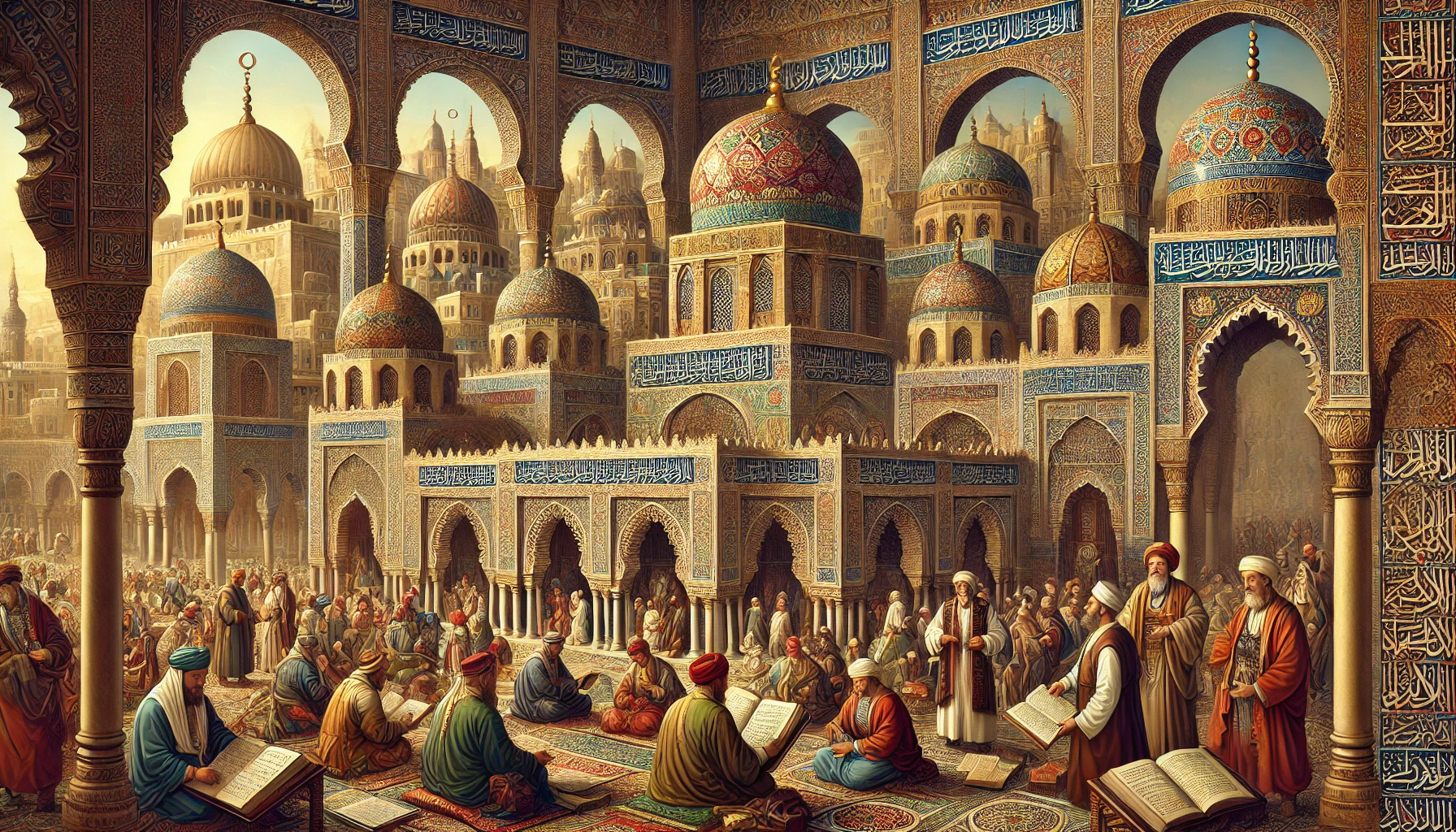
Influence of Islam in North Africa
Islam has played a profound role in shaping the history, culture, and society of North Africa, influencing everything from architecture and education to governance and daily life. Since its arrival in the 7th century, Islam has become deeply embedded in the region, blending with local traditions and contributing to the rich cultural heritage of countries such as Egypt, Libya, Tunisia, Algeria, Morocco, and Mauritania.
Historical Spread of Islam
Islam was introduced to North Africa through Arab conquests in the 7th century, led by the Umayyad Caliphate. Over time, it spread through trade, migration, and cultural exchange, integrating with Berber, Arab, and other indigenous traditions. Today, the vast majority of North Africans are Muslim, with Sunni Islam (mostly Maliki school of thought) being the dominant branch.
Cultural and Social Influence
1. Architecture and Art
Islamic influence is visible in North African architecture, with stunning mosques, palaces, and medinas showcasing intricate geometric patterns, calligraphy, and arabesque designs. Iconic structures include:
- Al-Zaytuna Mosque (Tunisia) – A center of Islamic learning since the 8th century.
- Hassan II Mosque (Morocco) – One of the largest and most impressive mosques in the world.
- Al-Azhar Mosque (Egypt) – A leading Islamic educational institution.
2. Language and Literature
Arabic, the language of the Qur’an, became the dominant language in North Africa, replacing many indigenous languages in administration, trade, and education. Classical Arabic and local dialects, such as Darija in Morocco and Algeria, reflect a fusion of Arab and Berber influences. Islamic scholars in North Africa made major contributions to philosophy, astronomy, and medicine, with figures like Ibn Khaldun, the father of modern historiography.
3. Law and Governance
Islamic principles have historically guided North African governance. Sharia law influenced legal systems, family structures, and social norms, shaping issues like marriage, inheritance, and trade regulations. While modern North African states have adopted secular legal frameworks, Islamic values still play a crucial role in shaping laws and policies.
4. Education and Learning
Islam emphasized the importance of education, leading to the establishment of madrassas (Islamic schools) and prestigious institutions like Al-Qarawiyyin University in Fez, Morocco, one of the oldest universities in the world. These centers of learning preserved and expanded knowledge in science, mathematics, and philosophy.
Religious Practices and Traditions
Islamic customs are deeply woven into daily life in North Africa. Key religious practices include:
- Daily prayers (Salah) – Mosques serve as community hubs for worship and gatherings.
- Ramadan and Eid celebrations – Fasting, communal meals, and festivities strengthen social ties.
- Sufi traditions – Mystical Islamic sects like the Tijaniyyah and Qadiriyyah have a strong presence, influencing music, poetry, and spiritual practices.
Modern Influence and Challenges
Islam remains a central pillar of identity in North Africa, but modernization, globalization, and political shifts have led to debates over secularism, religious reform, and the role of Islam in governance. While some countries embrace a balance between tradition and modernity, others experience tensions over religious and political dynamics.
Conclusion
Islam’s influence in North Africa is profound, shaping the region’s culture, language, architecture, governance, and daily life for over a millennium. Its legacy continues to evolve, blending tradition with modern influences to define the identity of the region today.
For more tips on improving your photography and editing skills, check out helpful guides to take your selfies to the next level.
Добавить комментарий