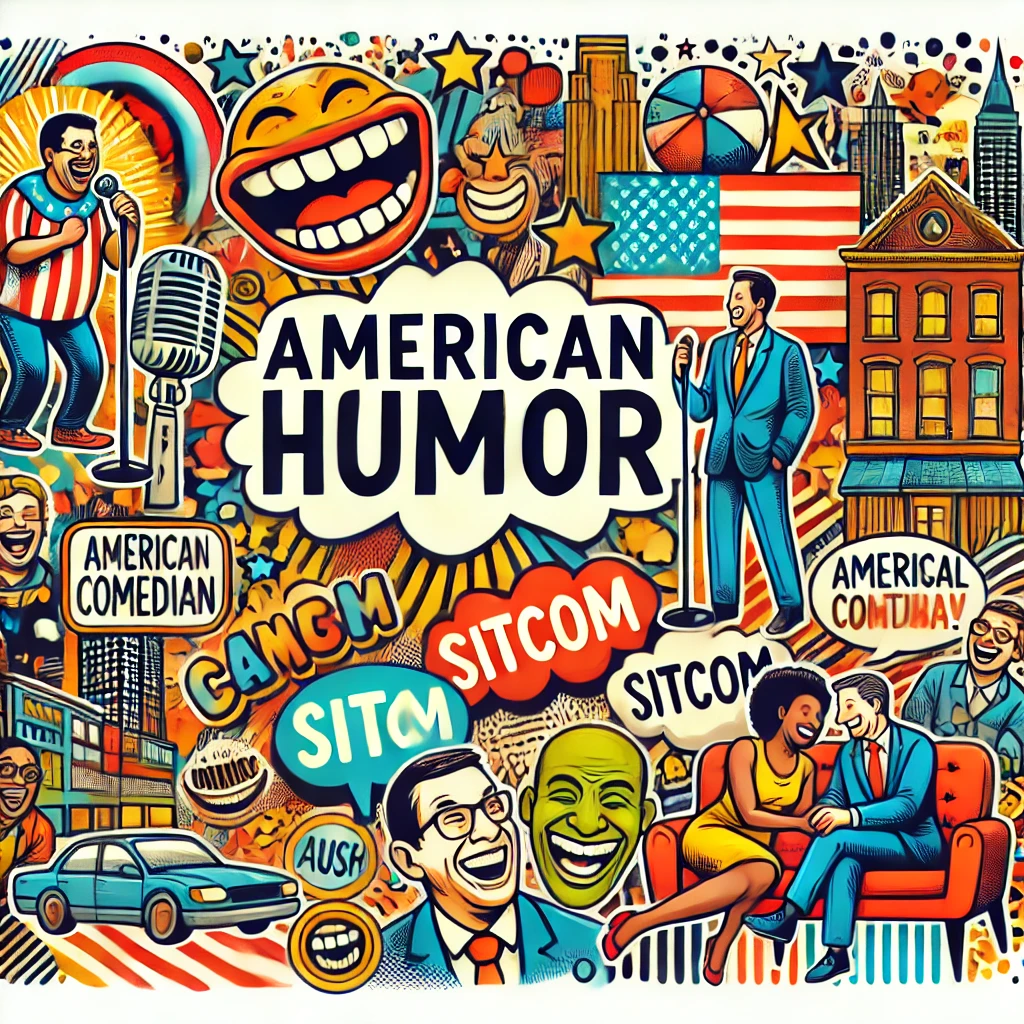
How to Understand American Humor
American humor is a unique blend of wit, sarcasm, absurdity, and cultural references, making it both hilarious and, at times, challenging for non-Americans to grasp. The key to understanding American humor lies in recognizing its nuances, historical influences, and cultural context. If you’ve ever found yourself scratching your head at a sitcom joke or a stand-up routine, don’t worry—here’s a guide to help you decode and enjoy American humor.
1. Know the Types of American Humor
American humor is diverse, with various styles that appeal to different audiences. Here are the most common types:
a. Sarcasm and Irony
- Sarcasm involves saying the opposite of what you mean, often with a humorous or cutting tone.
- Example: If someone says, “Oh great, another traffic jam,” they’re likely being sarcastic.
- Irony is about highlighting the difference between expectations and reality in a humorous way.
- Example: A fire station burning down is situational irony, and Americans often find this type of humor funny.
b. Self-Deprecation
- Americans often poke fun at themselves to appear relatable or humble.
- Example: “I’m so bad at math, even my calculator gets confused!”
c. Absurd and Slapstick Comedy
- Absurd humor involves nonsensical or exaggerated situations. Think of shows like «The Simpsons» or «Saturday Night Live» (SNL).
- Slapstick is physical comedy, like someone slipping on a banana peel—classic in movies like «Home Alone.»
d. Pop Culture References
- American humor often relies on knowledge of pop culture, such as movies, TV shows, memes, and celebrity gossip.
- Example: A joke about Darth Vader ordering at a drive-thru assumes familiarity with Star Wars.
e. Political and Social Satire
- Shows like «The Daily Show» or «Last Week Tonight with John Oliver» use satire to mock political events or social issues.
- Understanding this humor requires some knowledge of American politics and current events.
2. Context Is Key
Humor often depends on context, including cultural norms, history, and social settings.
a. Cultural References
- Many jokes reference American traditions, holidays, or icons.
- Example: Jokes about Thanksgiving may involve overeating or awkward family interactions.
b. Historical Events
- Understanding jokes about events like the Boston Tea Party, the Civil War, or the 2008 financial crisis requires a basic knowledge of American history.
c. Regional Humor
- Humor can vary depending on the region. For example:
- New York: Fast-paced, sarcastic, and cynical humor.
- Southern States: Folksy, storytelling humor with a touch of self-deprecation.
- California: Laid-back, pop-culture-heavy humor, often poking fun at stereotypes like surfers or Hollywood celebrities.
3. Learn Common American Phrases
Many American jokes rely on idiomatic expressions or slang. Here are a few examples:
- «Bite off more than you can chew»: Taking on too much responsibility.
- «Drop the ball»: Failing to do something important.
- «The elephant in the room»: An obvious issue that people are avoiding.
Recognizing these phrases can help you catch the humor in sitcoms, movies, or everyday conversations.
4. Watch Popular American Comedy
One of the best ways to understand American humor is by immersing yourself in its entertainment.
a. Sitcoms
- «Friends»: Known for relatable, character-driven humor and sarcasm.
- «The Office»: A mockumentary-style show full of awkward and situational comedy.
- «Parks and Recreation»: Satirical humor about small-town government.
b. Stand-Up Comedy
- Watch comedians like Jerry Seinfeld, Kevin Hart, or John Mulaney, who focus on observational humor.
- For political or edgy humor, comedians like Dave Chappelle or Amy Schumer may appeal to you.
c. Sketch Comedy Shows
- Shows like «Saturday Night Live» (SNL) or «Key & Peele» mix absurd scenarios, pop culture parodies, and social commentary.
d. Late-Night Shows
- Hosts like Jimmy Fallon, Stephen Colbert, or Trevor Noah mix current events with comedy. Watching these shows can also improve your understanding of American political humor.
5. Understand American Stereotypes
American humor often involves exaggerating stereotypes, both of Americans themselves and of other cultures.
- Common Stereotypes Americans Joke About:
- Texans are loud and love everything bigger.
- Californians are obsessed with health and yoga.
- New Yorkers are rude but efficient.
- Poking Fun at Themselves: Americans often make jokes about their fast-food culture, obsession with sports, or the confusing imperial measurement system.
6. Embrace Wordplay and Puns
Wordplay is a staple of American humor. Puns (jokes that exploit multiple meanings of a word) are especially popular.
- Example: «Why don’t skeletons fight each other? They don’t have the guts.»
If puns seem confusing at first, don’t worry—they become easier to spot with practice.
7. Don’t Take It Personally
American humor can sometimes be blunt or irreverent, but it’s rarely meant to offend.
a. Sarcasm
- Americans often use sarcasm in a playful or exaggerated way, not to be rude.
- Example: If someone says, «Oh, that was just great» after spilling coffee, they’re not actually happy about it.
b. Dark Humor
- Dark humor involves making light of serious or taboo topics. Shows like «It’s Always Sunny in Philadelphia» thrive on this style.
c. Self-Deprecation and Roasting
- Americans enjoy “roasting,” or making fun of someone in a lighthearted way. If someone jokes about you, it’s often meant to bond, not insult.
8. Be Aware of Generational Differences
What’s funny to younger Americans might not resonate with older generations.
a. Millennial and Gen Z Humor
- Heavily influenced by internet memes, TikTok trends, and absurd or nihilistic themes.
- Example: Jokes that make no logical sense, such as «Me: exists. Anxiety: why?»
b. Boomer Humor
- Focuses on traditional jokes or lighthearted takes on family life and work.
- Example: «I told my wife she should embrace her mistakes. She hugged me.»
9. Ask Questions if You’re Confused
If you don’t understand a joke, it’s okay to ask someone to explain it. Americans are often happy to share the cultural or linguistic context behind their humor.
a. Example
- If someone says, «Looks like we’re not in Kansas anymore,» and you’re unsure what it means, they’ll likely explain that it’s a reference to «The Wizard of Oz» and signifies being in an unfamiliar situation.
10. Practice Laughing Along
Sometimes, humor is more about tone and delivery than the actual words. Even if you don’t fully understand a joke, observing how others react and laughing along can help you feel more engaged.
Final Thoughts
Understanding American humor takes time, as it often relies on cultural references, wordplay, and an appreciation for sarcasm. By immersing yourself in American TV shows, movies, and comedy, while paying attention to context and delivery, you’ll gradually develop a sense of what makes Americans laugh. And who knows? You might even find yourself cracking jokes in true American style someday!
For more insights into American culture and entertainment, check out helpful guides to explore and enjoy the humor around you.
Добавить комментарий