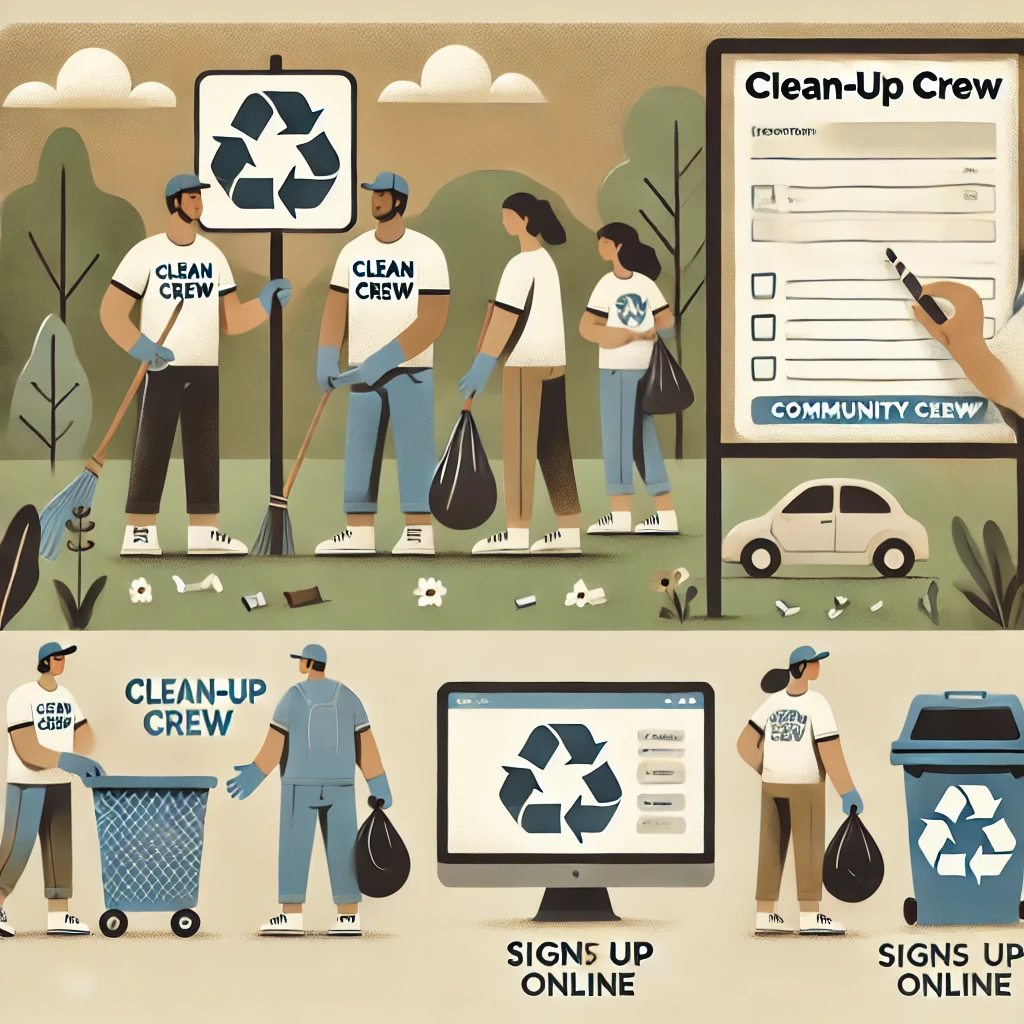
How to Participate in Community Clean-Up Events
Joining a community clean-up event is a great way to make a positive impact on your local environment, meet new people, and contribute to a cleaner, healthier neighborhood. These events focus on removing trash from parks, beaches, rivers, streets, and other public spaces while raising awareness about littering and environmental responsibility. If you’re interested in getting involved, here’s a step-by-step guide to help you participate in community clean-up events.
1. Research Local Clean-Up Events
Finding a community clean-up event near you is the first step. There are many ways to discover upcoming opportunities.
- Online Searches: Look up local clean-up events on platforms like Eventbrite, Meetup, or Facebook Events. Use search terms like «community clean-up near me» or «beach clean-up events.»
- Environmental Organizations: Visit the websites or social media pages of local environmental groups, non-profits, or government agencies. Examples include:
- Keep America Beautiful
- Ocean Conservancy
- Surfrider Foundation
- City or Town Website: Many municipalities organize clean-up events and provide schedules on their websites or newsletters.
- Community Boards: Check bulletin boards at local coffee shops, libraries, or community centers for event flyers.
2. Organize Your Own Clean-Up Event
If you can’t find an event nearby, consider organizing one yourself.
- Choose a Location: Pick an area that needs attention, such as a park, beach, trail, or neighborhood.
- Get Permissions: Contact your local government or parks department to obtain the necessary permits and support.
- Spread the Word: Use social media, local forums, and flyers to recruit volunteers.
- Partner with Organizations: Collaborate with local businesses or environmental groups to gather supplies and expand your reach.
3. Sign Up for the Event
Many community clean-ups require participants to register in advance.
- Online Registration: Fill out any forms provided on the organizer’s website or event page.
- Waivers and Forms: Be prepared to sign waivers or liability forms, especially for events organized by larger organizations or in areas with potential risks.
- Fees (If Applicable): Some events may charge a small fee to cover supplies or refreshments, but most are free to join.
4. Prepare for the Event
Once you’ve signed up, it’s important to prepare for the clean-up day to ensure a smooth and productive experience.
a. What to Wear
- Comfortable, weather-appropriate clothing.
- Sturdy, closed-toe shoes or boots for walking in uneven or potentially hazardous areas.
- Gloves (some events provide these, but it’s good to bring your own).
- Hats, sunglasses, and sunscreen to protect yourself from the sun.
b. What to Bring
- A reusable water bottle to stay hydrated.
- Trash bags or reusable collection bags (if not provided by organizers).
- A litter grabber or pick-up tool to make trash collection easier.
- Hand sanitizer or wet wipes for cleaning up after the event.
- Snacks or light refreshments for longer clean-ups.
5. Follow Event Guidelines
Every clean-up event has specific rules and instructions to ensure safety and efficiency.
- Check-In: Arrive early to check in, meet the organizers, and receive any necessary supplies or instructions.
- Safety First: Follow all safety guidelines provided by the organizers, especially if you’re working near water, roads, or hazardous materials.
- Sorting Waste: Some events may require you to separate trash into categories (e.g., recyclables, non-recyclables). Ask organizers for instructions on proper waste disposal.
- Respect Wildlife: Avoid disturbing plants or animals while cleaning up.
6. Work with a Team
Community clean-ups are often team-oriented, making them a great opportunity to collaborate with others.
- Join a Group: If you attend alone, introduce yourself to others and join a team to cover more ground.
- Divide Tasks: Assign specific roles, such as trash collection, bag holding, or sorting recyclables, to work more efficiently.
- Encourage Kids and Families: Many clean-ups are family-friendly, making it a great chance to teach children about environmental responsibility.
7. Dispose of Trash Properly
Once the clean-up is complete, it’s crucial to ensure the collected trash is handled appropriately.
- Follow Local Disposal Rules: Some events coordinate directly with waste management services for proper disposal or recycling.
- Drop-Off Locations: If you’re organizing your own event, find out where to drop off collected waste (e.g., recycling centers or designated dumpsters).
- Hazardous Materials: For items like needles, chemicals, or electronics, follow specific disposal guidelines provided by your local government.
8. Track and Celebrate Your Impact
Sharing the results of the clean-up can motivate others to get involved in future events.
- Record Data: Some organizations ask volunteers to track the amount and type of trash collected for reports or studies.
- Take Photos: Capture before-and-after pictures of the area to showcase the transformation.
- Share on Social Media: Post about your experience to raise awareness and inspire others to join the next event.
- Celebrate: Many clean-ups conclude with social gatherings, like group lunches or coffee meet-ups, to celebrate the collective effort.
9. Make Clean-Up Efforts a Habit
You don’t have to wait for organized events to contribute to a cleaner environment.
- Adopt a Spot: Regularly clean a local park, beach, or street on your own or with friends.
- Pick Up Litter Daily: Carry a small bag during walks or hikes to collect litter as you go.
- Get Involved with Advocacy: Join or support environmental groups that advocate for policies to reduce waste and litter.
Final Thoughts
Participating in community clean-up events is a meaningful way to protect the environment, build community connections, and take pride in your neighborhood. Whether you join an existing effort or start your own, every action contributes to creating a cleaner, healthier space for everyone. With a little preparation and teamwork, you can make a lasting impact.
For more tips on sustainability and community involvement, check out helpful guides to stay informed and inspired.
Добавить комментарий