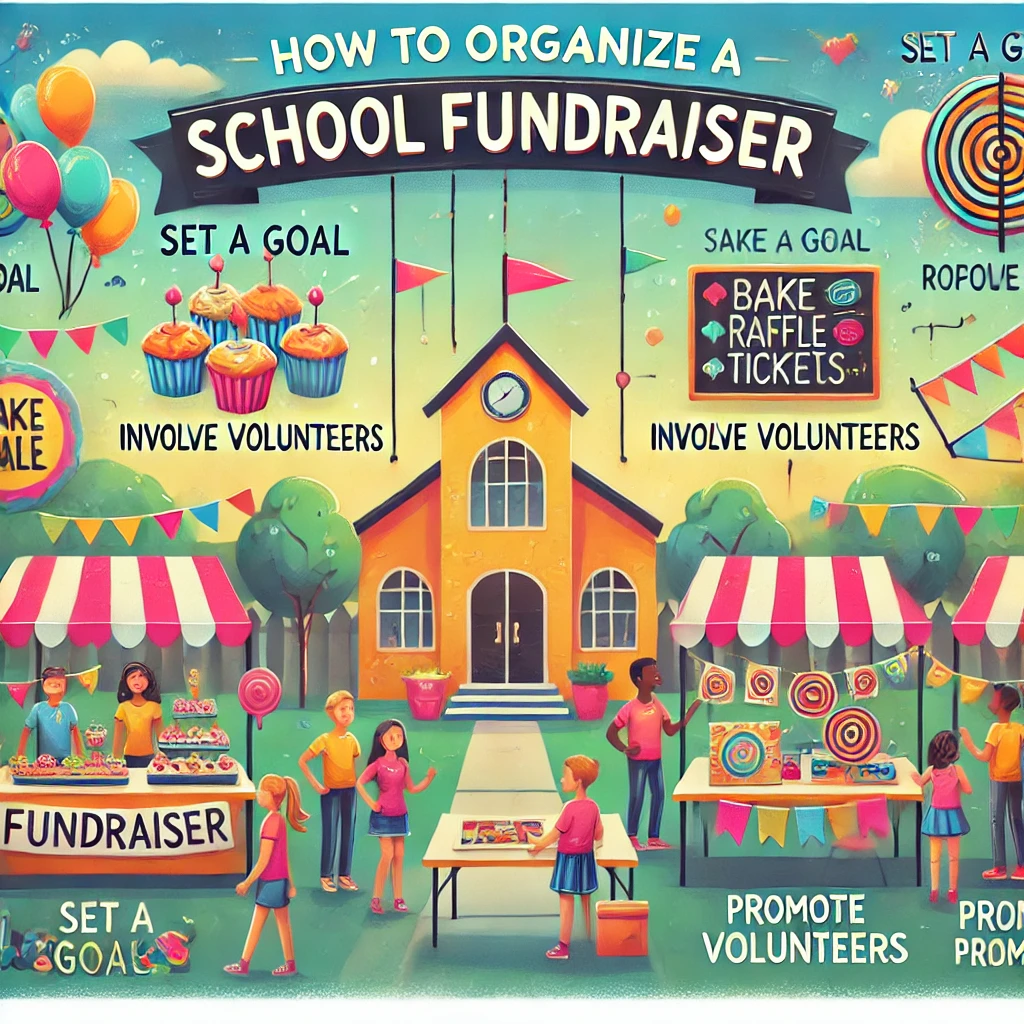
School Fundraiser
Organizing a school fundraiser is a rewarding way to raise money for a cause, event, or project while bringing your school community together. With the right planning and creativity, you can make your fundraiser both successful and enjoyable. Here’s a step-by-step guide to help you organize your school fundraiser effectively.
1. Define Your Goal
Why It’s Important:
A clear goal ensures everyone understands the purpose of the fundraiser.
Steps:
- Decide how much money you need to raise.
- Identify what the funds will support (e.g., sports equipment, a field trip, or charity).
- Break the goal into smaller targets to track progress.
Tip: Communicate the goal clearly to students, parents, and staff to generate enthusiasm.
2. Choose a Fundraising Idea
Why It’s Important:
The right idea attracts participation and suits your audience.
Popular Fundraising Ideas:
- Bake Sale: Sell homemade treats during lunch or at a school event.
- Car Wash: Organize a car wash with students and staff helping out.
- Talent Show: Charge admission for an entertaining evening of student performances.
- Raffle: Sell tickets for a chance to win donated prizes.
- Walkathon or Fun Run: Participants raise money through sponsorships.
- Silent Auction: Auction off donated goods and services.
Tip: Choose an idea that aligns with your school’s culture and resources.
3. Form a Team
Why It’s Important:
A strong team ensures tasks are completed efficiently.
Steps:
- Recruit volunteers, including students, parents, and staff.
- Assign roles, such as marketing, logistics, and finance.
- Hold regular meetings to track progress and address challenges.
Tip: Delegate tasks based on team members’ strengths and interests.
4. Create a Budget
Why It’s Important:
Managing costs helps maximize the money raised.
Steps:
- List all potential expenses (e.g., supplies, permits, marketing materials).
- Find ways to reduce costs, such as seeking donations or borrowing equipment.
- Track all expenses and income during the event.
Tip: Aim for a high profit margin while ensuring the fundraiser is fun and well-organized.
5. Set a Date and Location
Why It’s Important:
The right timing and venue ensure maximum attendance.
Steps:
- Pick a date that doesn’t conflict with major school or community events.
- Choose a location, such as the school gym, cafeteria, or outdoor field.
- Consider weather conditions if the event is outdoors.
Tip: Book the location early to avoid scheduling conflicts.
6. Promote Your Fundraiser
Why It’s Important:
Effective promotion attracts participants and supporters.
Strategies:
- Posters and Flyers: Display them in high-traffic areas like hallways and community centers.
- Social Media: Share updates, countdowns, and photos on platforms like Instagram and Facebook.
- School Newsletter: Include details about the fundraiser in emails or print bulletins.
- Word of Mouth: Encourage students and staff to spread the word.
Tip: Use eye-catching visuals and clear information in all your promotional materials.
7. Collect Donations or Ticket Sales
Why It’s Important:
Streamlined collection methods make it easy for people to contribute.
How to Do It:
- Set up both in-person and online donation options.
- Use platforms like PayPal, Venmo, or GoFundMe for digital contributions.
- Have a clear system for selling tickets if your event requires them.
Tip: Offer incentives, such as early-bird discounts or prizes for top contributors.
8. Run the Event Smoothly
Why It’s Important:
A well-organized event leaves a positive impression and encourages future participation.
Tips for Event Day:
- Arrive early to set up and test equipment.
- Assign volunteers specific tasks, such as welcoming guests, managing booths, or collecting donations.
- Keep the event lively with music, games, or activities.
Tip: Have a backup plan for unexpected challenges, like bad weather or low turnout.
9. Express Gratitude
Why It’s Important:
Showing appreciation encourages ongoing support from participants and donors.
How to Do It:
- Thank everyone who contributed, including volunteers, donors, and attendees.
- Post thank-you messages on social media.
- Send handwritten notes or small tokens of appreciation to major contributors.
Tip: Highlight the fundraiser’s success to show how their support made a difference.
10. Evaluate the Fundraiser
Why It’s Important:
Reflecting on what worked and what didn’t helps improve future fundraisers.
How to Do It:
- Review the amount of money raised against your goal.
- Gather feedback from team members and attendees.
- Note any challenges and brainstorm solutions for next time.
Tip: Document lessons learned and save them for future organizers.
Sample Timeline for a Fundraiser
| Time Before Event | Tasks |
|---|---|
| 6–8 Weeks | Set goals, choose an idea, and form a team. |
| 4–6 Weeks | Secure the location, create a budget, and start promoting. |
| 2–3 Weeks | Finalize details, recruit more volunteers, and ramp up promotion. |
| 1 Week | Confirm logistics, gather supplies, and send reminders to participants. |
| Event Day | Arrive early, set up, and enjoy a successful event! |
Final Thoughts
Organizing a school fundraiser is a rewarding way to bring your community together for a good cause. With clear goals, creative ideas, and a dedicated team, you can make your event a fun and impactful success. Start planning early, stay organized, and don’t forget to celebrate your achievements!
Добавить комментарий