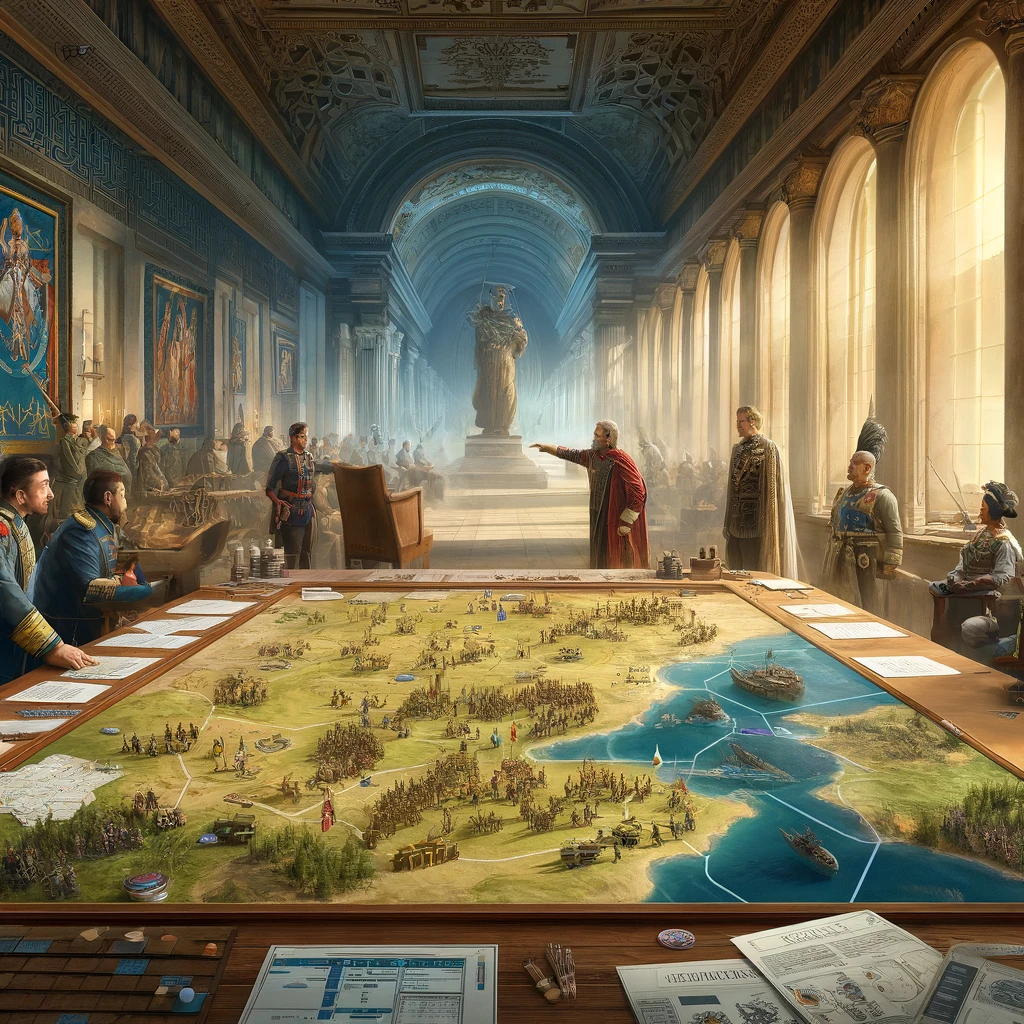
Mastering the Art of War in Civilization VI: Strategic Military Guide
Civilization VI is not just a test of your ability to build cities and cultivate culture; it’s also a crucible for your strategic military acumen. Whether you’re fighting barbarians early in the game or leading complex invasions against advanced empires, mastering the art of war is essential. Let’s break down the key elements of military strategy in Civ VI that can elevate your gameplay from a tactician to a true military genius.
1. Understanding Unit Types and Their Roles
The foundation of military mastery in Civ VI lies in understanding the different unit types and their specific roles:
- Melee Units: These are your frontline warriors, great for holding the line and taking the brunt of enemy attacks.
- Ranged Units: Essential for softening the enemy from a distance, they can turn the tide of battle without taking direct damage.
- Cavalry Units: Fast and hard-hitting, cavalry units excel in flanking and picking off weaker or ranged units.
- Siege Units: When it comes to city-conquering, siege units are your best friends. They deal massive damage to city defenses but are vulnerable and need protection.
- Naval and Air Units: Control of the seas and skies can provide strategic advantages over your adversaries, allowing for blockades, aerial bombings, and rapid troop movements.
2. Combining Forces for Effective Combat
Knowing how to combine these units effectively can significantly increase your military success:
- Combined Arms Approach: Always try to use a mixture of unit types. Melee units can protect more vulnerable ranged and siege units, while cavalry can exploit gaps and create openings.
- Positioning and Terrain: Use terrain to your advantage. Hills, forests, and rivers can provide defensive bonuses or hinder enemy movements. Positioning ranged units behind melee units allows them to fire over their heads without being exposed to direct combat.
3. Timing and Tactics in Warfare
Strategy in Civ VI is as much about when you fight as it is how you fight:
- Choosing the Moment to Strike: Timing attacks can be crucial; consider enemy weaknesses, weather conditions (like avoiding combat in the rain in early game), and geopolitical context. Launching a surprise war when an enemy is already engaged on another front can be decisive.
- War Weariness and Morale: Long wars can drain your resources and cripple your cities with war weariness, reducing their output and risking revolts. Quick, decisive engagements are usually preferable.
4. Strategic and Tactical Retreats
Not every battle should be fought to the bitter end:
- Strategic Retreats: If a battle turns against you, don’t be afraid to retreat and regroup. Losing units can be more damaging in the long run than losing a battle.
- Preserving Veteran Units: Veteran units gain bonuses that make them significantly more effective. Keeping them alive through strategic retreats can provide an edge in future conflicts.
5. Military Infrastructure and Logistics
A well-planned military infrastructure can sustain your war efforts and give you an edge:
- Encampments: Building encampments not only trains troops but also provides additional city defenses and the ability to produce military units faster.
- Roads and Mobility: Ensure your empire has good road coverage to move troops quickly. Later in the game, railroads can dramatically improve your mobilization capabilities.
- Supply Lines: Protect and maintain your supply lines. Having a secure route for resources to flow from your cities to your front lines is crucial in maintaining a prolonged engagement.
6. Use of Spies and Espionage
Spies can play a critical role in your military strategy:
- Gathering Intelligence: Before attacking, use spies to scout enemy cities, revealing their defenses and garrisoned units.
- Sabotage: Use spies to sabotage enemy production or military facilities, weakening them ahead of your attack.
7. Adapting to New Technologies and Units
As the game progresses, so should your military tactics:
- Adaptation: Continuously upgrade your units and incorporate new technologies to maintain a technological edge over your enemies.
- Modern and Future Warfare: Embrace modern and futuristic warfare technologies. Nuclear weapons, jet fighters, and drones can change the dynamics of military engagements significantly.
Conclusion
Mastering the art of war in Civilization VI requires a blend of strategic foresight, tactical prowess, and a deep understanding of the game’s military mechanics. Each conflict is a learning opportunity—an epic saga of conquests and defeats. Remember, the true art of war lies not just in overcoming your enemies but in doing so with such skill that they will fear rising against you again. Happy conquering!
Добавить комментарий