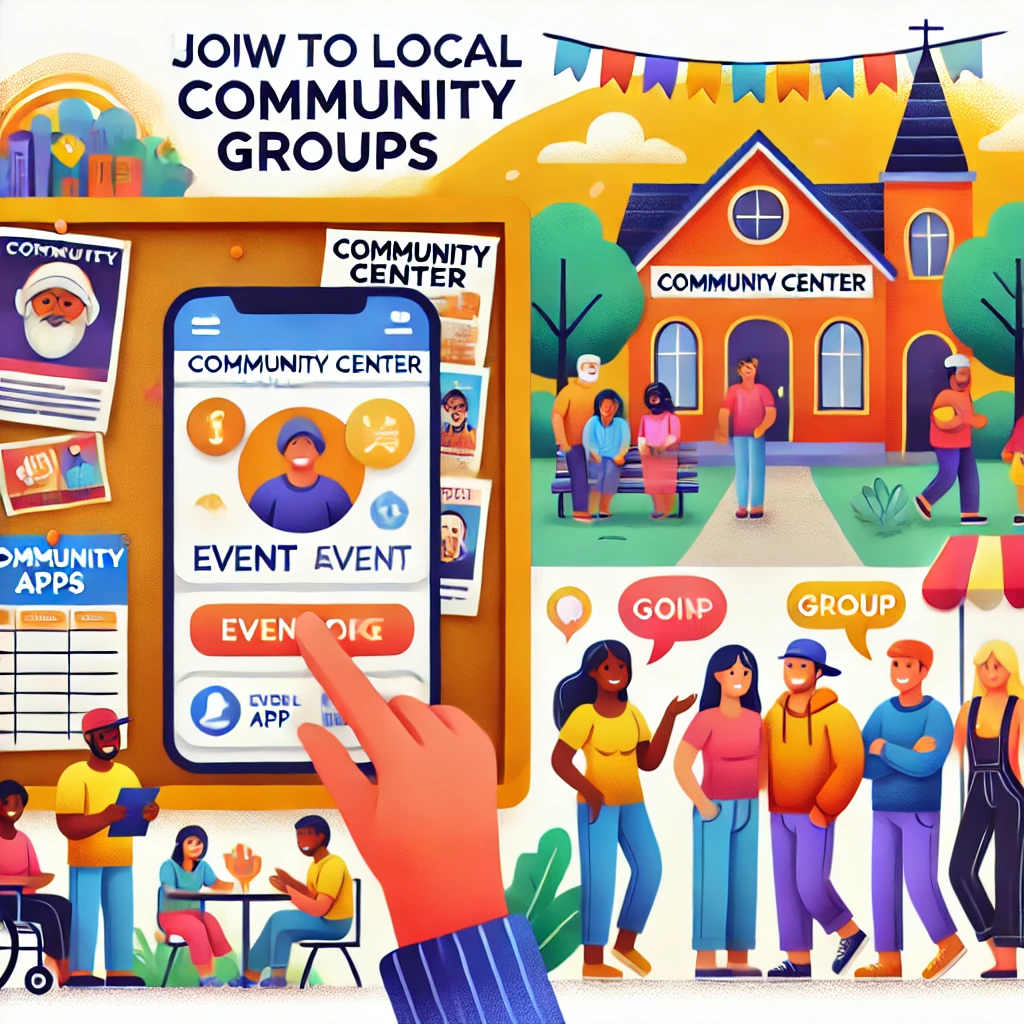
How to Join Local Community Groups in the US
Joining local community groups is a great way to meet new people, get involved in your neighborhood, and make a positive impact in your area. Whether you’re looking to volunteer, find a hobby group, or meet like-minded individuals, there are many ways to connect with local communities in the US. Here’s a step-by-step guide on how to find and join community groups near you.
1. Identify Your Interests and Goals
Before searching for groups, think about what you’re looking for in a community.
a. Ask Yourself:
- Are you interested in a specific hobby, such as gardening, hiking, or book clubs?
- Do you want to volunteer for a cause, like animal welfare, environmental conservation, or food distribution?
- Are you looking to connect with people based on shared identities (e.g., cultural, religious, or professional)?
b. Define Your Purpose
Understanding your goals will help you find groups that align with your interests, whether you’re seeking personal growth, social connections, or opportunities to give back.
2. Use Online Platforms to Find Groups
The internet is one of the easiest ways to discover local community groups.
a. Meetup
- Visit Meetup.com to find groups tailored to your interests. You can search by location, hobbies, or activities like hiking, photography, or networking events.
- Many Meetup groups host both in-person and virtual events, making it easy to participate.
b. Facebook Groups
- Search for local community groups on Facebook by entering your city or town plus a keyword (e.g., “Atlanta Hiking Club” or “Seattle Volunteer Opportunities”).
- Request to join groups that appeal to you and check their event calendars for upcoming activities.
c. Nextdoor
- Nextdoor is a neighborhood-focused platform where you can find local events, groups, and activities in your immediate area.
- It’s also a great place to post if you’re looking to start your own group.
d. VolunteerMatch
- Visit VolunteerMatch to find volunteer opportunities and organizations in your community.
e. Eventbrite
- Use Eventbrite to discover local events, workshops, and community meetups.
3. Check Local Community Centers and Libraries
Community centers and libraries often host a variety of groups and events.
a. Community Centers
- Check the bulletin board or website of your local community center for announcements about group meetings, classes, or events.
- Many centers offer free or low-cost activities like fitness classes, crafting workshops, or support groups.
b. Libraries
- Public libraries are excellent resources for book clubs, author talks, hobby workshops, and educational seminars.
- Ask your local librarian about ongoing programs or groups that meet at the library.
4. Attend Neighborhood Events
Local events are a great way to meet people and learn about groups in your area.
a. Farmers’ Markets
- Many farmers’ markets have booths or tables for local organizations, clubs, or causes. Strike up a conversation and ask about upcoming activities.
b. Festivals and Fairs
- Community festivals, cultural fairs, and block parties often feature booths or informational tables for local groups and nonprofits.
c. Town Hall Meetings
- Attend town hall meetings or civic forums to connect with neighbors and learn about ways to get involved in community initiatives.
5. Join Faith-Based or Cultural Groups
Faith-based and cultural organizations often have a variety of activities and subgroups for members.
a. Religious Groups
- Churches, mosques, temples, and synagogues often host volunteer events, discussion groups, or youth programs.
b. Cultural Associations
- Look for groups focused on celebrating specific cultural or ethnic traditions. These organizations often host events like holiday festivals, cooking classes, or dance performances.
c. Language Groups
- If you’re interested in learning or practicing a language, join language exchange groups through Meetup, Facebook, or local cultural centers.
6. Explore Outdoor and Recreational Groups
For those who love outdoor activities or fitness, there are plenty of recreational groups to join.
a. Hiking and Adventure Clubs
- Look for hiking, biking, or kayaking clubs in your area. Many national parks or outdoor organizations, such as the Sierra Club, host group activities.
b. Sports Leagues
- Check your local YMCA or parks and recreation department for sports leagues like soccer, basketball, or tennis. Many areas also have informal pickup games.
c. Fitness Classes
- Gyms and fitness studios often offer group yoga, pilates, or Zumba classes, which can be a great way to meet others with similar interests.
7. Look for Professional and Networking Groups
If your goal is career-related, join groups focused on professional development or networking.
a. Local Chambers of Commerce
- Many chambers host networking events, workshops, and committees that provide opportunities to connect with professionals in your area.
b. Industry-Specific Groups
- Search for groups related to your profession, such as tech meetups, writers’ groups, or real estate associations.
c. Co-Working Spaces
- If you work remotely or freelance, co-working spaces often host events or provide opportunities to meet other professionals.
8. Volunteer for a Cause
Volunteering is one of the best ways to meet people while making a difference.
a. Animal Shelters
- Join volunteer programs at local animal shelters to help with pet adoptions, foster programs, or fundraising events.
b. Food Banks
- Many food banks and soup kitchens need volunteers to help distribute meals and organize supplies.
c. Environmental Groups
- Participate in local clean-up events, tree planting, or recycling programs through organizations like Keep America Beautiful or local conservation groups.
9. Participate in Hobby-Based Groups
If you have a specific hobby, joining a group can help you meet others who share your passion.
a. Craft and DIY Groups
- Find knitting circles, scrapbooking clubs, or DIY workshops through local craft stores or community centers.
b. Book Clubs
- Many libraries and bookstores host book clubs, or you can look for specialized reading groups through Meetup or Facebook.
c. Gaming Groups
- Search for board game meetups, video gaming groups, or tabletop role-playing communities like Dungeons & Dragons.
10. Start Your Own Group
If you can’t find a group that meets your needs, consider starting one yourself.
a. How to Start a Group
- Use platforms like Meetup or Facebook to organize your group.
- Promote your group by posting on community bulletin boards, local websites, or neighborhood apps like Nextdoor.
b. Start Small
- Begin with casual meetups and let the group grow organically. For example, a weekly coffee meetup or park walk can be a great starting point.
11. Be Consistent and Open-Minded
Joining a new group can feel intimidating at first, but consistency and an open attitude can help you make meaningful connections.
a. Give It Time
- It may take a few meetings to feel comfortable and build relationships, so don’t get discouraged if you don’t feel a connection right away.
b. Engage Actively
- Introduce yourself, participate in conversations, and volunteer to help with group activities.
c. Be Open to New Experiences
- Even if a group isn’t exactly what you were looking for, it could lead to unexpected friendships or opportunities.
Final Thoughts
Joining local community groups in the US is a rewarding way to meet new people, pursue your interests, and contribute to your neighborhood. By using online platforms, exploring local events, and staying consistent, you’ll find a variety of groups that fit your needs and interests. Whether you’re new to an area or simply looking to get more involved, there’s a group out there for everyone.
For more tips on connecting with your community, check out helpful guides to enhance your social and local engagement.
Добавить комментарий