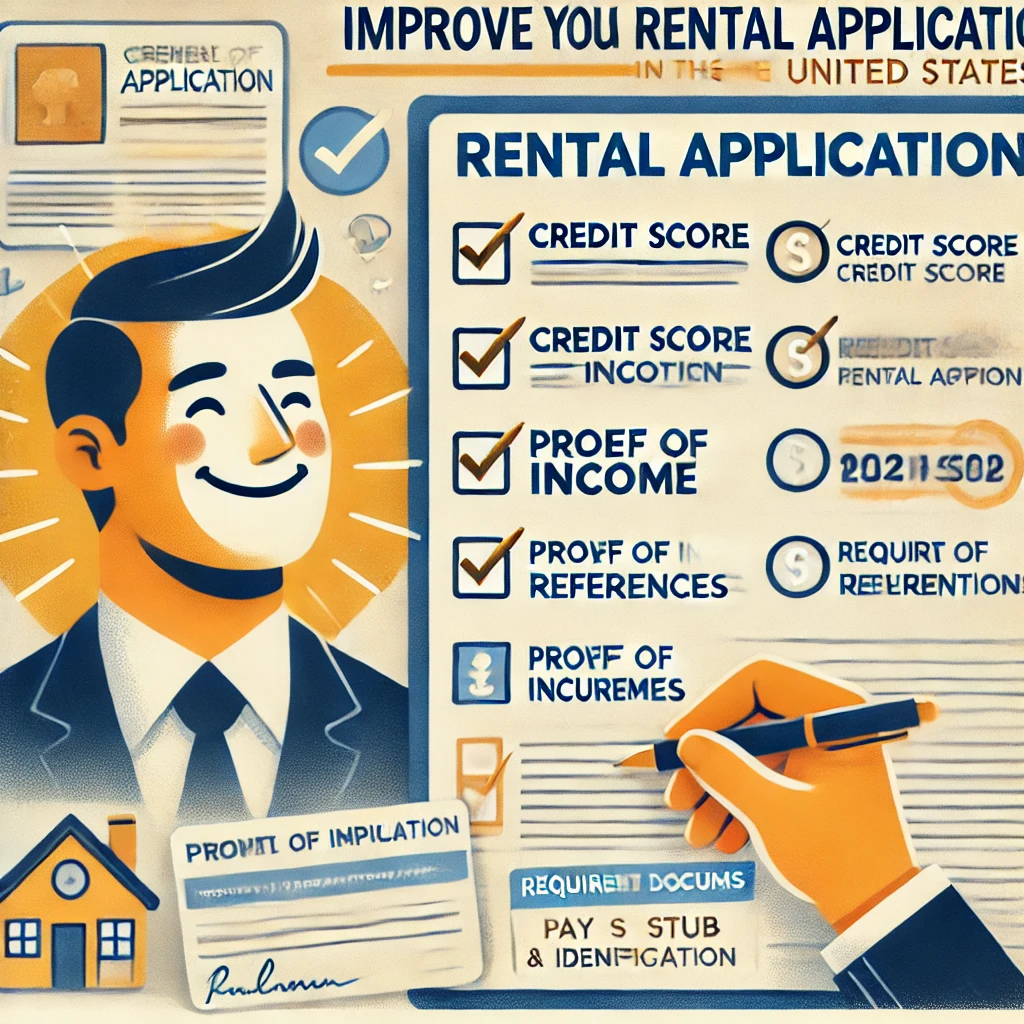
How to Improve Your Rental Application in the US
Securing a rental property in the US can be competitive, especially in cities with high demand and limited housing. A strong rental application can make you stand out to landlords and property managers, increasing your chances of approval. Below is a comprehensive guide on how to improve your rental application and position yourself as an ideal tenant.
1. Understand the Rental Market
Before submitting your application, research the rental market in your desired area.
- Market Conditions: In competitive markets, you’ll need to act quickly and present a strong application.
- Rental Prices: Make sure the properties you’re applying for are within your budget, generally no more than 30% of your monthly income.
2. Prepare All Required Documents in Advance
Landlords typically request several documents to evaluate your application. Having these ready shows you’re organized and serious.
- Proof of Income: Provide recent pay stubs, a W-2 form, or an offer letter from your employer. Self-employed applicants can include tax returns or bank statements.
- Photo ID: Include a government-issued ID like a driver’s license or passport.
- Rental History: Prepare a list of previous addresses and landlord contact information.
- Credit Report: Some landlords run their own credit checks, but providing a recent copy of your credit report can speed up the process.
- References: Include references from previous landlords or employers who can vouch for your reliability.
- Pet Information (If Applicable): If you have a pet, include vaccination records and a pet resume (yes, this is a thing!).
3. Strengthen Your Financial Profile
Landlords want tenants who can reliably pay rent on time. Strengthening your financial profile will make your application more competitive.
- Credit Score: A score of 650 or higher is generally preferred. If your score is lower, explain the reasons and provide evidence of recent improvement.
- Savings: Show proof of savings (e.g., bank statements) to demonstrate financial stability.
- Debt-to-Income Ratio: A low debt-to-income ratio reassures landlords that you can manage rent payments.
4. Write a Strong Rental Cover Letter
A well-crafted cover letter can make a positive impression, especially if you’re competing with other applicants.
- Introduce Yourself: Share a brief overview of who you are, including your job, interests, and reasons for moving.
- Highlight Your Reliability: Mention your stable income, history of paying rent on time, and respectful treatment of previous properties.
- Address Potential Concerns: If you have any red flags (e.g., low credit score or no rental history), explain them honestly and provide evidence of improvement or mitigating factors.
5. Offer a Larger Security Deposit
If you’re in a competitive market or have a weaker application, offering a larger security deposit can make your application more appealing.
- Why It Works: A larger deposit reduces the landlord’s financial risk.
- How Much to Offer: Consider offering an additional 1–2 months’ rent, if allowed by state laws.
6. Provide References
Strong references can set you apart from other applicants.
- Who to Ask: Previous landlords, employers, or colleagues who can speak to your responsibility and reliability.
- What They Should Say: References should highlight your history of paying rent on time, maintaining the property, and being a good neighbor.
7. Highlight Your Stability
Landlords value tenants who are likely to stay long-term and create minimal turnover.
- Job Stability: Provide evidence of stable employment or a long-term contract.
- Rental History: Show a history of staying in previous rentals for extended periods.
- Future Plans: If you intend to stay for several years, mention this in your cover letter.
8. Get a Co-Signer (If Necessary)
If your financial profile or credit score is weak, consider adding a co-signer to your application.
- Who Can Co-Sign: A parent, relative, or friend with strong financial credentials.
- Their Role: A co-signer agrees to cover rent if you’re unable to pay, providing additional security for the landlord.
9. Be Prompt and Professional
Responding quickly and professionally can make a big difference in how landlords perceive you.
- Respond to Inquiries: Answer emails or calls promptly to show your interest and reliability.
- Dress Professionally: If you’re meeting the landlord in person, dress neatly to make a good impression.
- Be Polite: Courtesy and respect go a long way in building rapport with landlords or property managers.
10. Offer to Pay Rent in Advance
If you have the financial means, offering to pay several months’ rent upfront can strengthen your application.
- Why It’s Appealing: Landlords appreciate the assurance of upfront rent payments, especially in competitive markets.
- How Much to Offer: Typically, 3–6 months of rent upfront is considered a strong gesture.
11. Be Honest About Your Application
Falsifying information on a rental application can lead to rejection or eviction later on.
- Be Transparent: If you have any potential red flags, such as a past eviction or criminal record, disclose them and explain the situation.
- Provide Mitigating Evidence: Show how you’ve improved your circumstances, such as a higher income, good references, or paying off debts.
12. Tailor Your Application to the Landlord
Different landlords prioritize different qualities, so tailor your application accordingly.
- Individual Landlords: Emphasize your reliability and willingness to maintain the property.
- Property Management Companies: Focus on meeting their financial and documentation requirements.
13. Double-Check Your Application
Errors or missing information can slow down the approval process or lead to rejection.
- Proofread: Ensure all forms are complete and free of typos.
- Attach All Documents: Verify that all required documents are included in your application.
14. Follow Up After Submission
After submitting your application, follow up to express your continued interest.
- Send a Polite Email: Thank the landlord or property manager for considering your application and ask if they need any additional information.
- Stay Patient: Be respectful of their timeline while showing enthusiasm for the property.
Final Thoughts
Improving your rental application in the US requires preparation, professionalism, and a proactive approach. By organizing your documents, strengthening your financial profile, and presenting yourself as a reliable tenant, you can significantly increase your chances of securing the rental property you want. Remember, landlords are looking for tenants who will pay rent on time, care for the property, and communicate effectively—show them you’re the right choice.
For more housing tips and guides, check out helpful guides to make your rental search smoother and more successful.
Добавить комментарий