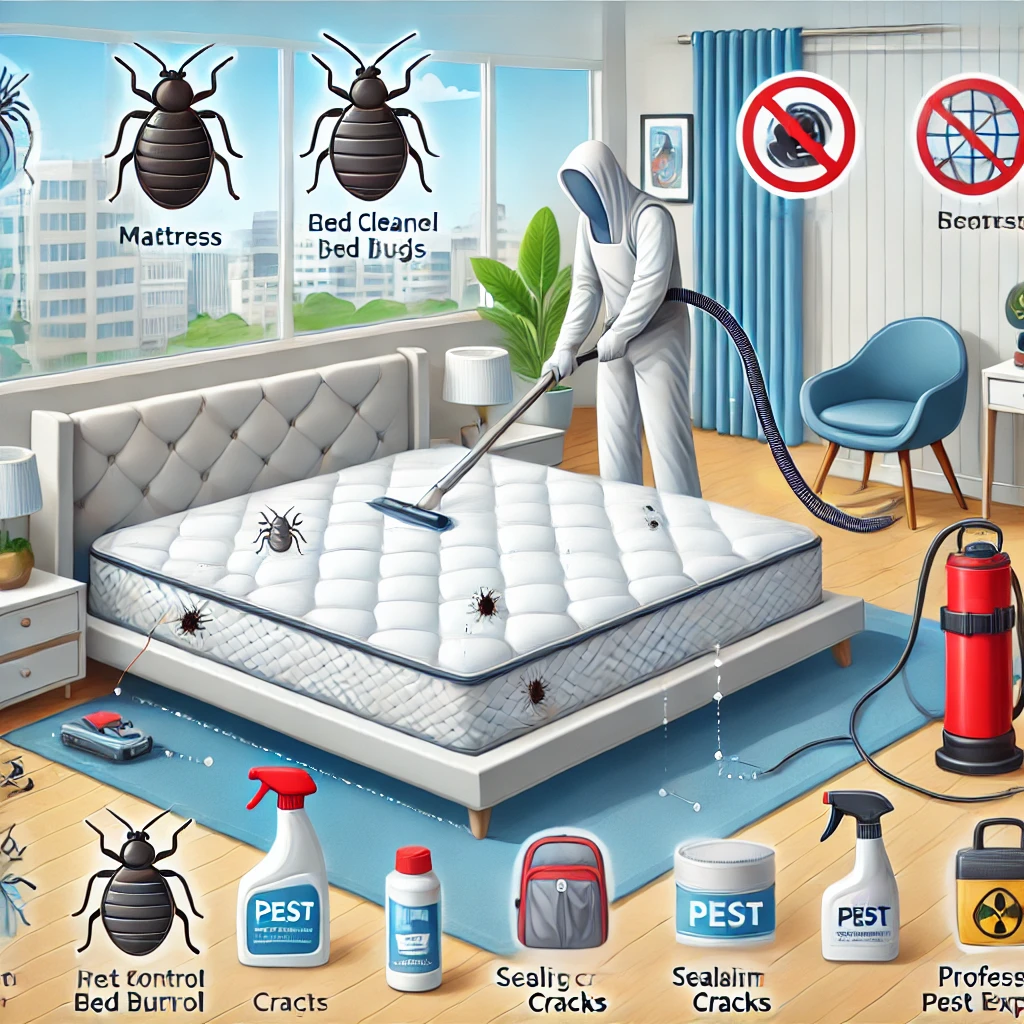
How to Get Rid of Bed Bugs in US Apartments
Dealing with bed bugs in an apartment can be a stressful and frustrating experience. These tiny, blood-sucking pests are notorious for being difficult to eliminate once they infest your living space. However, with persistence, proper techniques, and sometimes professional help, you can successfully get rid of bed bugs and prevent them from returning. Here’s a comprehensive guide to tackling bed bug infestations in US apartments.
1. Identify the Signs of Bed Bugs
Before you take action, confirm that you’re dealing with bed bugs and not another pest.
a. Common Signs of Bed Bugs
- Bites on Skin: Small, red, itchy welts often found in clusters or lines, typically on exposed skin.
- Rusty or Black Stains: Look for spots on mattresses, sheets, or furniture caused by bed bug feces or crushed bugs.
- Shed Skins or Eggs: Bed bugs shed their exoskeletons as they grow. Eggs are tiny, white, and oval-shaped.
- Live Bed Bugs: Adult bed bugs are small (about the size of an apple seed), reddish-brown, and oval-shaped.
b. Where to Check
- Mattresses and Box Springs: Inspect seams, folds, and tags for bugs or eggs.
- Bed Frames and Headboards: Look in cracks and crevices.
- Furniture: Check seams of sofas, chairs, and other upholstered items.
- Baseboards and Electrical Outlets: Bed bugs often hide in tight spaces.
2. Notify Your Landlord or Property Manager
In the US, tenants are often required to report bed bug infestations to their landlord or property manager.
a. Why You Should Notify Them
- Landlords may be legally obligated to address pest problems, depending on state and local laws.
- If you live in an apartment building, the infestation could spread to neighboring units, making it essential to involve property management.
b. What to Include in Your Report
- Provide evidence such as photos of bed bugs, bites, or stains.
- Document dates and times you noticed the infestation.
c. Tenant Rights
- Some states, like California and New York, have laws requiring landlords to handle bed bug treatments at no cost to the tenant. Check your state’s tenant laws for details.
3. Declutter and Organize
Bed bugs thrive in clutter, as it provides more places to hide. Decluttering your apartment makes treatment more effective.
a. Remove Unnecessary Items
- Throw away items you no longer need, but inspect them first to avoid spreading bed bugs.
- Place discarded items in sealed plastic bags and clearly label them as infested.
b. Avoid Moving Infested Items
- Do not move infested furniture or belongings to other rooms or apartments, as this can spread the infestation.
4. Deep Clean Your Apartment
Thorough cleaning is a critical step in eliminating bed bugs.
a. Vacuum Thoroughly
- Use a vacuum with a HEPA filter to clean all areas where bed bugs may hide:
- Mattresses, bed frames, and furniture.
- Baseboards, carpets, and rugs.
- Empty the vacuum immediately after use, sealing the bag or canister contents in a plastic bag before discarding.
b. Wash and Dry Fabrics
- Launder all bedding, clothing, curtains, and soft items in hot water (at least 120°F).
- Dry them on the highest heat setting for 30 minutes to kill bed bugs and their eggs.
c. Steam Clean
- Use a steam cleaner on furniture, mattresses, and carpets. The high heat kills bed bugs on contact.
5. Use Bed Bug-Proof Covers
Encasing your mattress and box spring in bed bug-proof covers can help trap and starve any remaining bugs.
a. Features to Look For
- Choose covers labeled as “bed bug proof” or “encasements” with tightly woven fabric and secure zippers.
b. How They Work
- Encasements trap bed bugs already in your mattress and prevent new ones from getting inside.
- Leave the covers on for at least a year, as bed bugs can survive for months without feeding.
6. Apply Bed Bug Treatments
There are several methods for treating bed bugs, ranging from DIY options to professional-grade solutions.
a. DIY Treatments
- Diatomaceous Earth: A natural powder that dehydrates bed bugs when they come into contact with it. Sprinkle it along baseboards, cracks, and other hiding spots.
- Bed Bug Sprays: Use EPA-approved sprays specifically designed for bed bugs. Apply to cracks, crevices, and furniture.
b. Heat Treatments
- Bed bugs die at temperatures above 120°F.
- Use portable heat chambers to treat infested items like suitcases or small furniture.
c. Cold Treatments
- Bed bugs can be killed by freezing items at 0°F for several days. Place small items, like clothing or books, in sealed plastic bags and leave them in a freezer.
7. Hire a Professional Exterminator
If DIY methods don’t work or the infestation is severe, hire a licensed pest control professional.
a. What to Expect
- Professionals may use heat treatments, chemical sprays, or a combination of methods to eliminate bed bugs.
- Treatments typically require multiple visits to ensure all bed bugs are eradicated.
b. Cost of Professional Services
- Bed bug extermination costs range from $300 to $5,000, depending on the size of the infestation and the treatment method.
c. Finding a Reliable Exterminator
- Look for exterminators certified by organizations like the National Pest Management Association (NPMA).
- Check online reviews and ask for a detailed treatment plan before hiring.
8. Prevent Reinfestation
After getting rid of bed bugs, take steps to prevent them from returning.
a. Inspect Secondhand Items
- Avoid bringing used furniture, mattresses, or clothing into your home unless thoroughly inspected and treated.
b. Be Careful When Traveling
- Inspect hotel rooms for signs of bed bugs, especially the mattress seams and headboards.
- Keep luggage elevated and away from beds. Consider using luggage liners or encasements.
c. Seal Entry Points
- Use caulk to seal cracks and crevices in walls, baseboards, and furniture where bed bugs might hide.
9. Work with Neighbors
If you live in an apartment complex, bed bug infestations can easily spread between units.
a. Coordinate Treatment
- Work with your landlord and neighbors to ensure all affected units are treated simultaneously.
b. Stay Vigilant
- Even if your apartment is treated, keep monitoring for bed bugs in case they migrate from untreated neighboring units.
Final Thoughts
Getting rid of bed bugs in a US apartment requires persistence, thorough cleaning, and potentially professional assistance. By addressing the infestation early, notifying your landlord, and following proper treatment methods, you can eliminate these pests and reclaim your living space. Remember, bed bugs are notoriously resilient, so consistent effort and preventative measures are key to long-term success.
For more tips on pest control and home management, check out helpful guides to stay proactive and informed.
Добавить комментарий