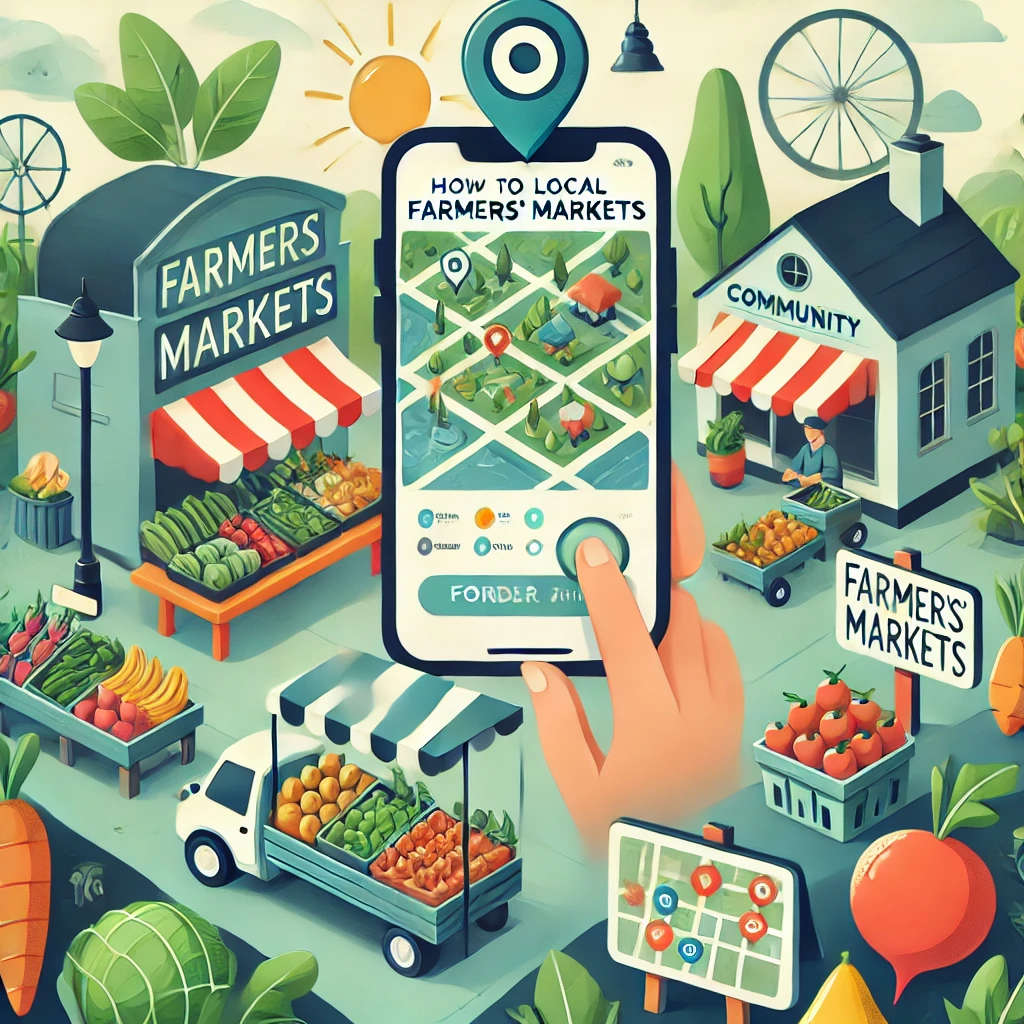
How to Find Local Farmers’ Markets in the US
Farmers’ markets are a great way to buy fresh, locally-grown produce, support small farmers, and even save money on groceries. They’re also a wonderful way to connect with your community and enjoy seasonal fruits, vegetables, meats, and artisanal products. If you’re wondering how to find farmers’ markets near you in the United States, here are the best ways to locate them and get the most out of your experience.
1. Use Online Directories
Several online tools and directories are designed specifically to help you find local farmers’ markets:
a. USDA Farmers Market Directory
- What It Is: The USDA maintains a national directory of farmers’ markets, listing over 8,000 markets across the country.
- How to Use: Visit the USDA Farmers Market Directory and search by zip code, city, or state to find markets near you.
b. LocalHarvest
- What It Is: A popular online platform that connects consumers with local food sources, including farmers’ markets, CSAs (Community Supported Agriculture), and family farms.
- How to Use: Visit LocalHarvest.org and enter your location to find nearby farmers’ markets.
c. Farmers Market Coalition
- What It Is: A national nonprofit organization that supports farmers’ markets and provides a searchable directory.
- How to Use: Visit Farmers Market Coalition and browse their resources for local markets.
2. Check Apps and Technology Tools
Apps make it even easier to locate farmers’ markets while on the go:
a. Farmers Market Finder Apps
- Farmers Market Locator: Apps like Farmers Market Finder help you locate markets nearby, including schedules and vendor details.
- Farmstand: This app allows you to find local markets and even get information on seasonal produce.
b. Google Maps
- Simply type “farmers market near me” into Google Maps, and you’ll get a list of nearby markets, along with operating hours and directions.
c. Yelp
- Yelp can help you find farmers’ markets with reviews, photos, and insider tips from other shoppers.
3. Search Social Media
Social media is a powerful tool for finding farmers’ markets and staying up-to-date with their events and offerings:
- Instagram and Facebook: Search for hashtags like #FarmersMarket, #LocalFood, or #SupportLocalFarms, and look for nearby markets with active social media pages.
- Community Groups: Join local Facebook groups or forums to find recommendations for farmers’ markets in your area.
4. Visit Your Local Chamber of Commerce
Chambers of Commerce often maintain lists of community events and local attractions, including farmers’ markets.
- Contact Them: Visit your city’s Chamber of Commerce website or call them for details about farmers’ markets.
- Events Calendars: Many cities have online event calendars that include weekly or seasonal farmers’ markets.
5. Ask Around in Your Community
Word of mouth is often the easiest way to discover hidden gems.
- Neighbors and Friends: Ask neighbors, co-workers, or friends about their favorite farmers’ markets.
- Local Businesses: Small grocers, cafes, or health food stores often know about nearby markets and local food events.
6. Look for Signage Around Town
Farmers’ markets often advertise with signs, banners, or flyers in their communities.
- Community Boards: Check bulletin boards at libraries, coffee shops, and community centers for market flyers.
- Road Signs: Markets often post signs along major streets or intersections pointing to their location.
7. Visit Your Local Extension Office
The USDA’s Cooperative Extension System has offices in nearly every county across the US, offering resources for agriculture and community events.
- How to Find: Search for your county’s extension office online or visit National Institute of Food and Agriculture.
8. Explore Seasonal and Specialty Markets
Many farmers’ markets operate seasonally or specialize in specific types of produce or goods:
- Summer Markets: Most farmers’ markets run during the growing season (spring through fall).
- Winter Markets: Some regions offer year-round indoor markets.
- Specialty Markets: Look for markets that focus on organic produce, local honey, artisan bread, or specialty meats.
9. Check Local Newspapers or Radio Stations
Community newspapers and radio stations often advertise farmers’ markets as part of their events coverage.
- Weekly Columns: Check the “events” or “community” section of your local newspaper for market listings.
- Radio Announcements: Tune in to local stations, especially during weekends, for announcements about nearby markets.
10. Join a CSA or Local Food Network
Many Community Supported Agriculture (CSA) programs are affiliated with local farmers’ markets:
- CSA Membership: By joining a CSA, you may get updates about market events or even discounts on produce sold at the market.
- Food Networks: Local food networks or food co-ops often partner with farmers’ markets to promote events.
11. Visit Colleges and Universities
Some universities with agricultural programs host farmers’ markets on or near their campuses:
- Land-Grant Universities: Schools with agricultural departments often organize farmers’ markets as part of their community outreach.
- Student Markets: College campuses sometimes host seasonal markets featuring local vendors and student-run initiatives.
12. Attend Community Events
Farmers’ markets are often part of larger community events or festivals.
- City Events: Look for farmers’ markets tied to food festivals, art fairs, or holiday events.
- Pop-Up Markets: Some communities organize one-time or pop-up farmers’ markets during special occasions.
Final Thoughts
Finding local farmers’ markets in the US is easier than ever thanks to online directories, apps, and community resources. Whether you’re looking for fresh produce, organic goods, or simply a chance to connect with local growers, these strategies will help you locate and enjoy farmers’ markets near you. Supporting local farmers not only benefits your wallet and health but also strengthens your community.
For more tips on eating healthy and supporting local businesses, check out helpful guides to stay informed and connected to your local food scene.
Добавить комментарий