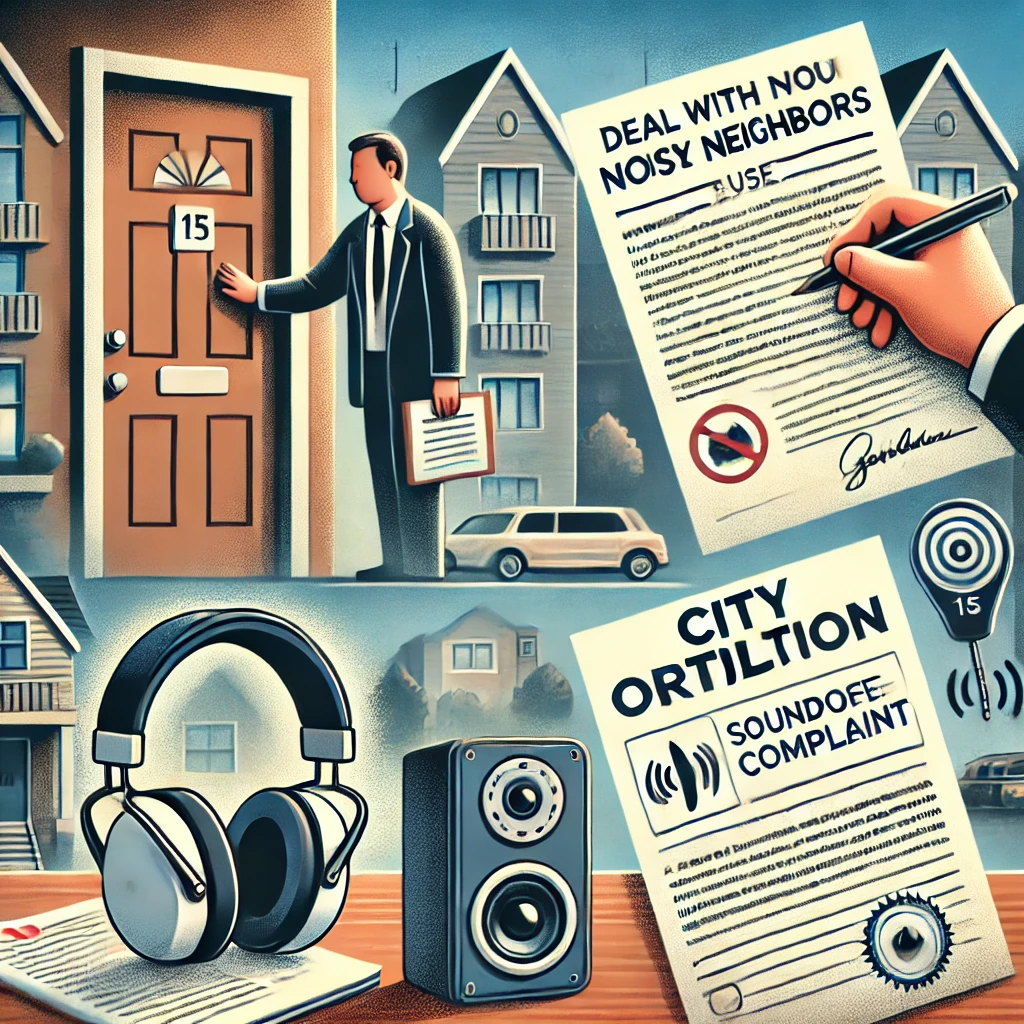
Noisy Neighbors
Noisy neighbors can disrupt your peace and make it difficult to relax at home. Whether it’s loud music, late-night parties, or constant stomping, handling the situation tactfully and effectively is key to maintaining a good relationship while resolving the problem. Below is a guide on how to deal with noisy neighbors in the United States.
1. Understand Noise Laws in Your Area
Before taking any action, familiarize yourself with local noise ordinances and apartment complex rules.
- City Noise Ordinances: Most cities have laws regulating acceptable noise levels during specific hours, often called «quiet hours» (e.g., 10 PM to 7 AM).
- Apartment Rules: If you live in a shared building, your lease agreement or HOA bylaws may outline noise restrictions.
- Why It’s Important: Knowing the rules helps you determine if your neighbor is genuinely violating them or if the noise is simply part of normal living.
Tip: Check your city’s website or contact your local government to find noise ordinances in your area.
2. Document the Noise Problem
If the noise persists, start keeping a record of the disturbances.
- What to Record:
- Date and time of each incident.
- Type of noise (e.g., music, shouting, dog barking).
- How long it lasts.
- Why It’s Helpful: This documentation will be useful if you need to escalate the issue to a landlord, HOA, or local authorities.
Pro Tip: Use noise-measuring apps (e.g., Decibel X) to record the volume level, especially if it violates local laws.
3. Approach Your Neighbors Politely
Often, your neighbors may not realize they’re being too loud. A friendly conversation can resolve the issue without creating conflict.
- How to Approach:
- Choose a calm time to talk (not during or immediately after a noisy event).
- Be polite and non-confrontational. For example:
- “Hi, I just wanted to let you know that the music at night has been a little loud, and it’s been hard for me to sleep. Would you mind lowering it after 10 PM?”
- Why It Works: Many people are willing to adjust their behavior when approached respectfully.
4. Write a Friendly Note
If you’re uncomfortable speaking to your neighbors directly or if the noise persists, leave a polite note.
- What to Include:
- A brief explanation of the problem.
- A request to reduce the noise.
- Your contact information (optional) for follow-up.
- Example Note:
Hi [Neighbor’s Name],
I hope this note finds you well! I’ve noticed that [type of noise] has been quite loud during [specific times], and it’s been hard for me to [sleep, work, etc.]. I’d really appreciate it if you could keep the volume down during those hours. Thanks so much for understanding!
5. Contact Your Landlord or HOA
If talking to your neighbor doesn’t resolve the issue, escalate the problem to your landlord or homeowner’s association (HOA).
- What to Do:
- Provide your documentation of the noise (e.g., dates, times, recordings).
- Explain how the noise violates lease agreements or HOA rules.
- What to Expect:
- Landlords or HOAs may issue a warning to the noisy neighbor or take further action, such as fines.
Tip: Be clear and concise when communicating with your landlord or HOA to ensure the issue is taken seriously.
6. Use Mediation Services
If tensions escalate, consider hiring a neutral third party to mediate the situation.
- How It Works:
- A mediator helps you and your neighbor discuss the issue and come to an agreement.
- Mediation is often less confrontational and more productive than legal action.
- Where to Find Mediation Services: Many cities offer free or low-cost community mediation programs.
7. Call the Authorities (As a Last Resort)
If the noise continues to violate local laws and all other efforts fail, you may need to involve the police or local authorities.
- When to Call:
- During quiet hours when noise exceeds legal limits.
- If the noise is part of a larger issue, such as a rowdy party or domestic disturbance.
- How to Report:
- Call the non-emergency police line.
- Provide details, including the address and type of noise.
- What to Expect: Authorities may issue a warning or citation to the offending neighbor.
Caution: Involving the police can strain relationships, so use this option only when absolutely necessary.
8. Soundproof Your Space
If the noise issue is minor or unavoidable (e.g., thin walls in an apartment), soundproofing your home can help.
- How to Reduce Noise:
- Add rugs, curtains, or acoustic panels to absorb sound.
- Use white noise machines or noise-canceling headphones to block out disturbances.
- Seal gaps around doors and windows to reduce outside noise.
9. Know Your Rights
Familiarize yourself with tenant rights and local noise laws to ensure you’re protected.
- Noise Complaints: Many cities allow tenants to break their lease without penalty if excessive noise makes the home unlivable.
- Legal Action: As a last resort, you may be able to file a nuisance complaint in small claims court.
Pro Tip: Consult a tenant rights organization or attorney if the noise problem persists and affects your quality of life.
Final Thoughts
Dealing with noisy neighbors can be frustrating, but most situations can be resolved with clear communication and a calm approach. Start by speaking politely with your neighbors, and escalate the issue only if necessary. Remember, maintaining a positive relationship is often the best way to ensure a peaceful living environment for everyone.
For more tips on improving your photography and editing skills, check out helpful guides to take your selfies to the next level.
Добавить комментарий