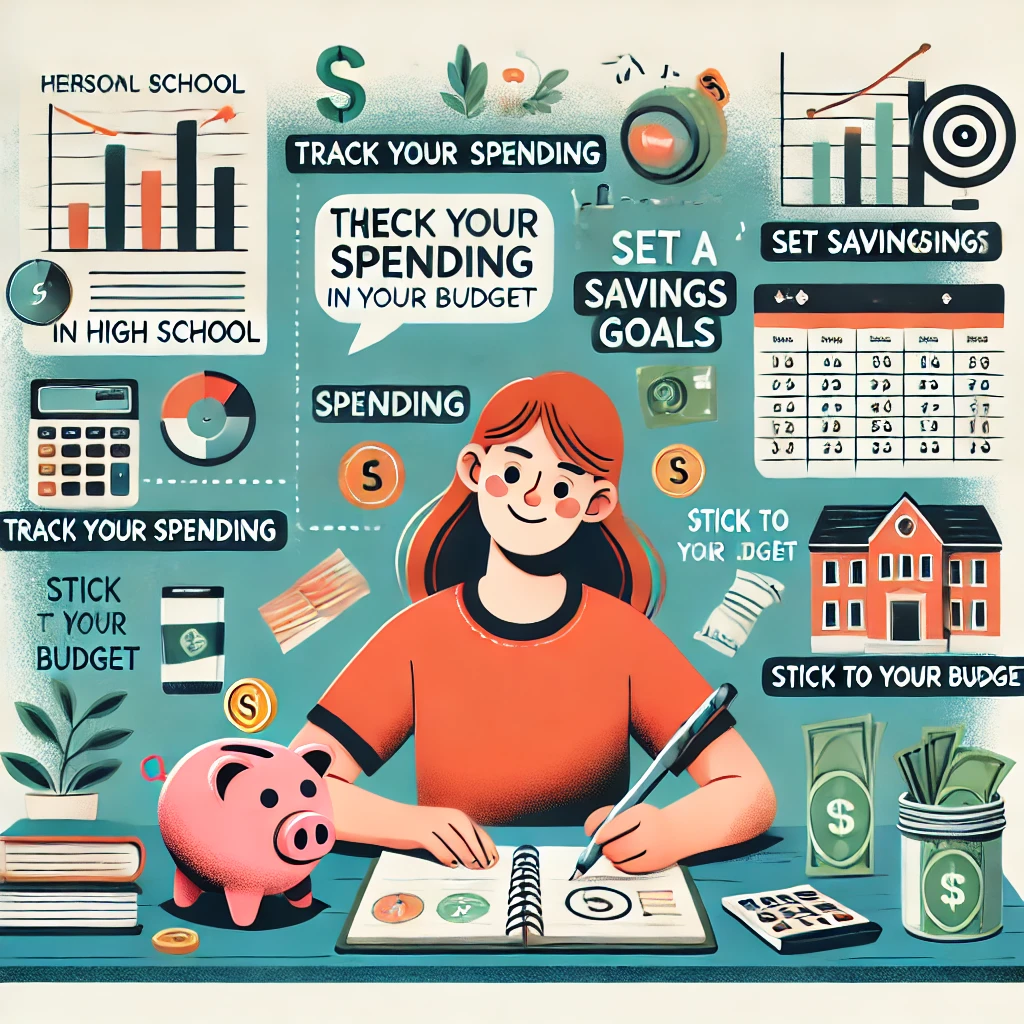
Personal Budget
Creating a personal budget in high school is a valuable skill that helps you manage your money, avoid debt, and build a foundation for financial independence. Whether you’re earning from a part-time job, allowances, or occasional gifts, budgeting ensures you make the most of your resources. Here’s how to create a budget that works for you.
1. Understand Your Income
Why It Helps:
Knowing how much money you have gives you a clear starting point.
How to Do It:
- Track all sources of income, such as a part-time job, allowance, or side hustles.
- Calculate how much you earn monthly or weekly.
- If your income varies, estimate your average earnings based on past months.
Tip: Use a notebook or budgeting app to record all your income sources.
2. List Your Expenses
Why It Helps:
Understanding where your money goes helps you identify spending habits and areas to adjust.
Common Expenses for High School Students:
- School supplies (books, calculators, notebooks).
- Transportation (bus fare, gas, or rideshares).
- Entertainment (movies, games, streaming services).
- Food and snacks.
- Savings for larger goals, such as college or a car.
Tip: Divide expenses into categories like “needs” (e.g., transportation) and “wants” (e.g., entertainment).
3. Set Financial Goals
Why It Helps:
Goals give you a purpose for saving and spending wisely.
How to Do It:
- Define short-term goals (e.g., buying a new phone, saving for a trip).
- Set long-term goals (e.g., saving for college or an emergency fund).
- Assign a specific dollar amount and timeline to each goal.
Tip: Write down your goals and keep them visible to stay motivated.
4. Track Your Spending
Why It Helps:
Monitoring your spending shows whether you’re staying on track with your budget.
How to Do It:
- Record every purchase, no matter how small, for at least a month.
- Use budgeting apps like Mint, PocketGuard, or Goodbudget to automate tracking.
- Compare your actual spending to your planned budget.
Tip: Review your spending weekly to catch patterns or areas for improvement.
5. Create a Budget Plan
Why It Helps:
A budget plan ensures you allocate money toward your needs, wants, and savings.
Example Budget Plan:
- 50% for Needs: Transportation, school supplies, food.
- 30% for Wants: Entertainment, hobbies, non-essential shopping.
- 20% for Savings: Emergency fund, future goals.
Tip: Adjust percentages based on your lifestyle and financial goals.
6. Open a Savings Account
Why It Helps:
A savings account keeps your money secure and encourages disciplined saving.
How to Do It:
- Look for banks or credit unions that offer teen-friendly accounts with no fees.
- Set up automatic transfers from your earnings to your savings account.
- Use your savings account only for planned goals or emergencies.
Tip: Consider setting up separate accounts for short-term and long-term goals.
7. Avoid Impulse Purchases
Why It Helps:
Controlling impulse spending frees up money for more important goals.
How to Do It:
- Use the “24-hour rule”—wait a day before buying non-essential items.
- Ask yourself if the purchase aligns with your budget and goals.
- Limit exposure to ads or shopping apps that encourage unnecessary spending.
Tip: Create a wish list and revisit it monthly to prioritize what you really want.
8. Adjust Your Budget Regularly
Why It Helps:
Life changes, and so do your financial needs—keeping your budget updated ensures it stays effective.
How to Do It:
- Review your budget monthly to see if your income or expenses have changed.
- Reallocate money to different categories if necessary (e.g., save more during summer when you work extra hours).
- Adjust your goals if your priorities shift.
Tip: Treat your budget as a flexible guide, not a rigid rulebook.
9. Learn Basic Money Management Skills
Why It Helps:
Building financial literacy helps you make informed decisions about spending and saving.
How to Do It:
- Read books or watch videos on budgeting and personal finance.
- Take online courses or attend workshops aimed at teens.
- Ask parents or trusted adults for advice on managing money.
Tip: Start with beginner-friendly resources like The Money Guide for Teens by Kareem Graham.
10. Reward Yourself for Staying on Budget
Why It Helps:
Celebrating small achievements keeps you motivated to stick with your plan.
How to Do It:
- Set aside a small amount of “fun money” to spend guilt-free.
- Treat yourself to something you’ve been saving for once you hit a milestone.
- Reflect on your progress and how it’s helping you reach your goals.
Tip: Keep rewards modest to avoid overspending.
Sample Budget for a High School Student
| Category | Monthly Allocation | Example Items |
|---|---|---|
| Needs | $100 | School supplies, bus fare |
| Wants | $60 | Streaming subscription, games |
| Savings | $40 | College fund, emergency savings |
Final Thoughts
Creating a personal budget in high school helps you build financial independence and prepare for the future. By tracking your income, setting goals, and managing expenses, you’ll gain valuable skills that will serve you well into adulthood.
For more tips and tools on managing your finances, explore helpful guides to get started today!
Добавить комментарий