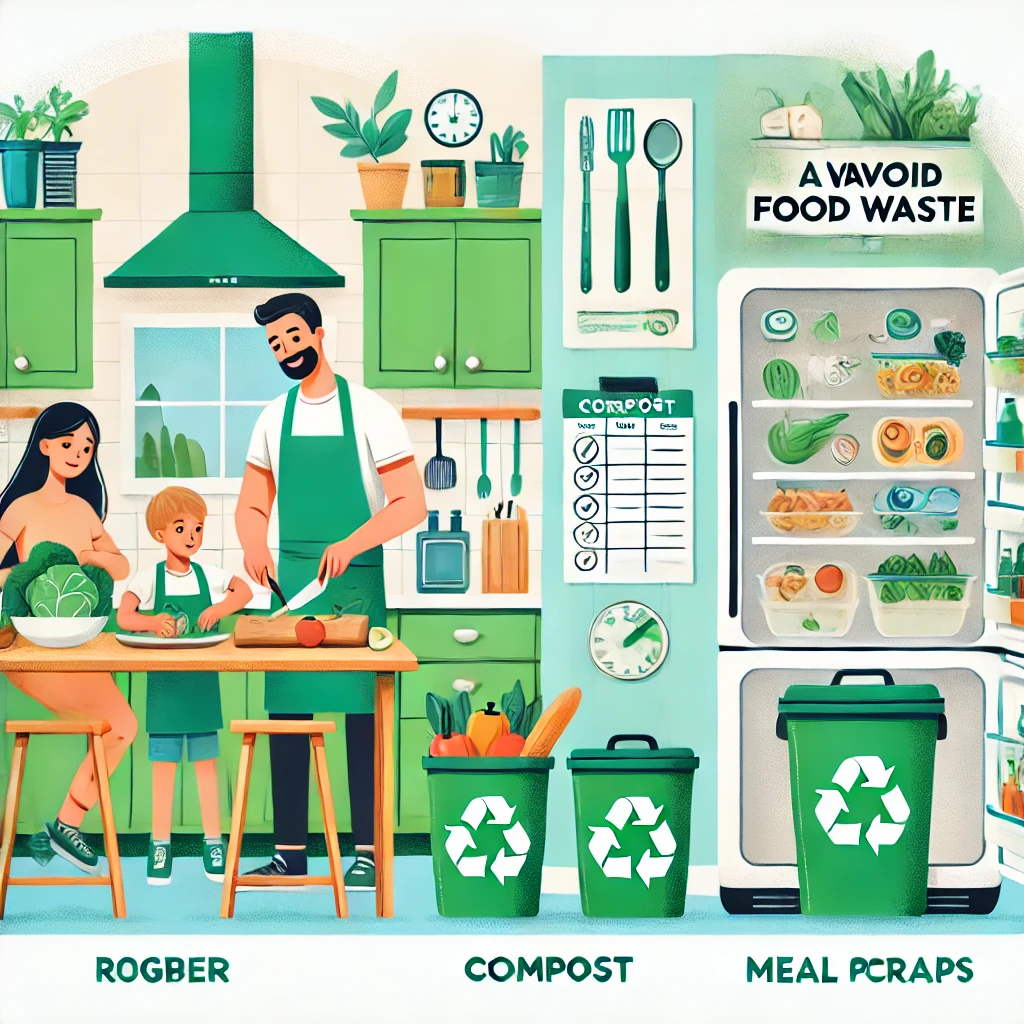
How to Avoid Food Waste in American Households
Food waste is a pressing issue in the United States, with nearly 30–40% of the food supply going uneaten each year. This not only wastes money but also contributes to environmental issues, such as greenhouse gas emissions from landfills. The good news? Small changes in how households shop, store, and consume food can make a big difference. Here’s a practical guide on how to avoid food waste in American households.
1. Plan Your Meals Before Shopping
Meal planning is one of the most effective ways to reduce food waste.
- Create a Weekly Meal Plan: Write down what meals you’ll prepare and list only the necessary ingredients.
- Check Your Pantry: Take stock of what you already have at home to avoid buying duplicates.
- Shop with a List: Stick to your list to resist impulse purchases, which often go unused.
Why It Works: Planning ensures you buy only what you need, preventing overstocking and spoilage.
2. Buy in Reasonable Quantities
While bulk purchases can save money, they can also lead to waste if food expires before being used.
- Avoid Overbuying Perishables: For items like fresh produce, dairy, and bread, only buy what you can realistically consume before they spoil.
- Opt for Smaller Packages: If you’re a smaller household, choose smaller packaging or single-serve options.
- Shop More Frequently: Instead of one large shopping trip, try shopping in smaller quantities more often.
Why It Works: Buying in moderation reduces the likelihood of food sitting unused and expiring.
3. Store Food Properly
Proper storage can significantly extend the life of your groceries.
- Refrigeration Tips:
- Store fruits and vegetables in the appropriate crisper drawers.
- Keep dairy products on the shelves (not the fridge door) to maintain a consistent temperature.
- Know What to Refrigerate: Keep foods like potatoes, onions, and tomatoes out of the fridge, as cold temperatures can alter their taste and texture.
- Freeze Food: If you’re not going to eat something soon, freeze it. This works for bread, meats, and even fresh herbs.
Why It Works: Proper storage prevents premature spoilage and keeps food fresh longer.
4. Learn to Read Expiration Dates
Many people throw away perfectly good food because they misunderstand food labels.
- «Best By» and «Use By» Dates: These dates indicate peak quality, not safety. Most food is still safe to eat after these dates.
- Trust Your Senses: Look, smell, and taste food to determine if it’s still good. If it smells and looks fine, it probably is.
- Use the «First In, First Out» Method: Place older items at the front of your fridge or pantry so you use them first.
Why It Works: Understanding food labels helps you avoid unnecessary waste.
5. Get Creative with Leftovers
Leftovers don’t have to be boring! Repurpose them into new meals.
- Examples of Leftover Hacks:
- Roast chicken can become chicken salad or soup.
- Stale bread can be used for breadcrumbs, croutons, or French toast.
- Vegetables nearing their expiration can go into stir-fries, casseroles, or smoothies.
- Schedule Leftover Nights: Dedicate one night a week to eating leftovers or «cleaning out» the fridge.
Why It Works: Repurposing leftovers prevents them from being thrown out and adds variety to your meals.
6. Compost Food Scraps
Not all food waste is avoidable, but composting can help reduce its environmental impact.
- What You Can Compost: Fruit and vegetable peels, coffee grounds, eggshells, and other organic scraps.
- How to Start:
- Use a backyard compost bin or pile.
- If you live in an apartment, look for community composting programs or countertop composters.
- Benefits: Composting turns food scraps into nutrient-rich soil, which is great for gardening.
Why It Works: Composting reduces the amount of organic waste sent to landfills, helping the environment.
7. Embrace «Imperfect» Produce
Many fruits and vegetables are discarded simply because they don’t look «perfect,» even though they’re perfectly edible.
- Buy «Ugly» Produce:
- Shop at farmers’ markets for imperfect but fresh produce.
- Use services like Imperfect Foods or Misfits Market, which deliver misshapen or surplus produce at a discount.
- Cook Them Quickly: Use these items in soups, stews, or smoothies, where appearance doesn’t matter.
Why It Works: Choosing imperfect produce reduces food waste at the agricultural level and saves you money.
8. Donate Excess Food
If you’ve purchased more food than you can use, consider donating it.
- Food Banks: Non-perishable items like canned goods and pasta are always in demand.
- Community Fridges: Some cities have community fridges where you can leave fresh food for others to take.
- Check Local Guidelines: Ensure the food you donate meets local safety standards.
Why It Works: Donating food helps those in need and prevents excess from going to waste.
9. Track What You Waste
Keeping a record of what you throw away can help you identify patterns and adjust your habits.
- Food Waste Journal: Write down what you discard each week and why (e.g., spoiled, overbought, forgotten).
- Adjust Shopping and Cooking Habits: Use your journal to pinpoint problem areas, such as buying too much produce or forgetting leftovers.
Why It Works: Awareness of your habits can motivate you to make smarter shopping and cooking decisions.
10. Use Food Waste Reduction Apps
Technology can help you manage your food inventory and minimize waste.
- Apps to Try:
- Too Good To Go: Buy surplus food from restaurants and bakeries at a discount.
- OLIO: Share excess food with neighbors for free.
- NoWaste: Track what’s in your fridge and pantry, including expiration dates.
Why It Works: These apps make it easier to save money and reduce waste in your home and community.
11. Serve Smaller Portions
Over-serving is a common cause of food waste in American households.
- Start Small: Serve smaller portions to avoid uneaten food. People can always take seconds if they’re still hungry.
- Teach Kids About Waste: Encourage children to take only what they’ll eat and save leftovers for later.
Why It Works: Reducing plate waste ensures less food ends up in the trash.
12. Freeze What You Can’t Use Immediately
Freezing food is a great way to extend its shelf life.
- What You Can Freeze: Bread, meat, cheese, fruits, vegetables, and even cooked meals like soups and casseroles.
- Freeze in Portions: Divide food into single servings before freezing to make reheating more convenient.
- Label and Date: Use labels to track when items were frozen so you use them before they lose quality.
Why It Works: Freezing gives you more time to use food, reducing spoilage and waste.
Final Thoughts
Avoiding food waste in American households requires mindful shopping, proper storage, and creative use of leftovers. By implementing these strategies, you can save money, reduce your environmental impact, and make the most of the food you buy. Every small change adds up—start today and see the difference it can make!
For more tips on improving your photography and editing skills, check out helpful guides to take your selfies to the next level.
Добавить комментарий