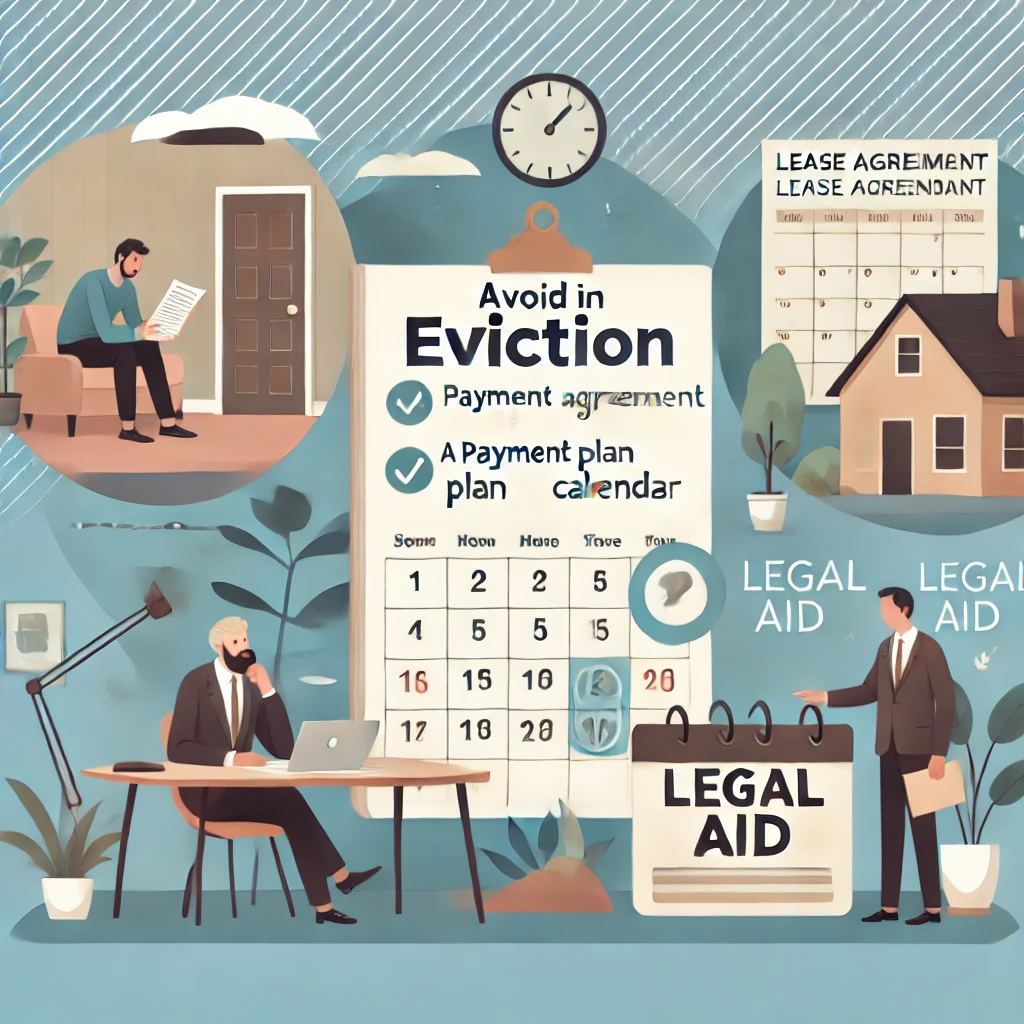
How to Avoid Eviction in the US
Eviction is a stressful and potentially life-altering event for tenants. It can disrupt your living situation, damage your credit, and make it harder to rent in the future. However, there are steps you can take to avoid eviction and resolve issues with your landlord. Whether you’re facing financial difficulties, a lease violation, or other challenges, understanding your rights and options can help you stay in your home. Here’s a guide on how to avoid eviction in the US.
1. Understand the Eviction Process
Evictions in the US must follow legal procedures, and tenants have rights that protect them from being removed without proper notice.
- Common Reasons for Eviction:
- Nonpayment of rent.
- Violating lease terms (e.g., unauthorized pets or guests).
- Property damage.
- Staying after the lease ends (holdover tenancy).
- Notice Requirements:
- Landlords must give written notice before beginning the eviction process.
- The type of notice depends on the reason for eviction (e.g., «Pay or Quit» notice for unpaid rent).
- Court Process:
- If the issue isn’t resolved, the landlord must file an eviction lawsuit (unlawful detainer).
- Tenants have the right to a court hearing to defend themselves.
Tip: Research your state’s eviction laws to understand timelines and procedures.
2. Communicate with Your Landlord
Open communication is key to resolving issues before they escalate into eviction.
- Address Problems Early: If you’re behind on rent or in violation of your lease, reach out to your landlord as soon as possible.
- Propose a Payment Plan: Offer to pay overdue rent in installments or negotiate a temporary rent reduction.
- Be Honest: Explain your situation—many landlords prefer to work with tenants rather than go through the costly eviction process.
Why It Helps: Showing good faith and willingness to cooperate can encourage your landlord to find a solution instead of pursuing eviction.
3. Review Your Lease Agreement
Your lease outlines your responsibilities as a tenant, as well as the landlord’s obligations.
- Check for Clauses: Look for clauses related to rent payment, grace periods, and lease violations.
- Notice Periods: Your lease may specify how much notice the landlord must give before terminating the agreement.
- Landlord Obligations: Ensure your landlord is fulfilling their duties (e.g., making repairs or maintaining a habitable home).
Tip: If your landlord hasn’t upheld their responsibilities, it may provide legal grounds to challenge the eviction.
4. Catch Up on Rent if Possible
If the eviction is due to unpaid rent, finding a way to pay what you owe can stop the process.
- Use Emergency Funds: If you have savings, prioritize paying overdue rent to avoid eviction.
- Ask for Help: Seek financial assistance from family, friends, or community organizations.
- Rental Assistance Programs:
- Look for local or federal programs like the Emergency Rental Assistance Program (ERAP), which helps tenants cover overdue rent and utilities.
- Nonprofits like the Salvation Army or Catholic Charities may also provide aid.
Why It Helps: Paying back rent demonstrates your commitment to resolving the issue and staying in your home.
5. Seek Legal Assistance
If you believe the eviction is unlawful or unfair, consult with a legal expert.
- Tenant Advocacy Groups: Contact local housing organizations or nonprofits that specialize in tenant rights.
- Legal Aid Services: Many states have free or low-cost legal aid programs for low-income renters.
- Defend Yourself in Court: If your landlord files an eviction lawsuit, you have the right to present your case in court.
- Common defenses include lack of proper notice, unsafe living conditions, or proof that rent was paid.
Tip: Bring documentation to court, such as your lease, payment receipts, and communication with your landlord.
6. Utilize Mediation Services
Mediation can help resolve disputes between tenants and landlords without going to court.
- What Mediation Involves: A neutral third party helps both sides negotiate a resolution, such as a payment plan or amended lease terms.
- Benefits: Mediation is faster and less costly than a court trial and often leads to mutually agreeable solutions.
- Where to Find Mediation Services: Many local housing authorities or tenant advocacy groups offer free or low-cost mediation programs.
Why It Helps: Mediation can prevent escalation and preserve a positive relationship with your landlord.
7. Apply for Rental Assistance Programs
Government and nonprofit rental assistance programs can provide financial aid to help you catch up on rent and avoid eviction.
- Federal Assistance:
- The Emergency Rental Assistance Program (ERAP) offers funds to renters struggling to pay rent or utilities due to financial hardship.
- Check with your state or local government to see if ERAP funds are available in your area.
- Nonprofit Organizations: Groups like the Salvation Army, Catholic Charities, and United Way often have rental assistance programs.
- Local Resources: Community action agencies and housing coalitions may provide additional financial support.
Tip: Apply for assistance as early as possible, as these programs often have limited funding.
8. Understand Illegal Eviction Practices
Landlords must follow legal procedures when evicting a tenant. Some practices are illegal and can be challenged in court.
- Examples of Illegal Evictions:
- Locking you out of the property.
- Shutting off utilities like water or electricity.
- Removing your belongings without proper notice or court approval.
- Harassment or threats to force you to leave.
- What You Can Do:
- Document illegal actions (e.g., take photos or record conversations).
- File a complaint with your local housing authority or seek legal advice.
Why It Helps: Knowing your rights can protect you from being unlawfully removed from your home.
9. Negotiate a Move-Out Agreement
If staying in the rental property isn’t an option, you may be able to negotiate a move-out agreement with your landlord.
- Benefits for Landlords: They avoid the time and expense of pursuing an eviction in court.
- Benefits for Tenants: You can leave on your own terms without having an eviction on your record.
- Terms to Negotiate: Ask for extra time to find new housing or request that your landlord waive unpaid rent in exchange for a voluntary move-out.
Tip: Get any agreements in writing to protect yourself legally.
10. Prepare for Future Stability
If you successfully avoid eviction or need to move, take steps to prevent future housing issues.
- Budgeting: Ensure rent is a priority in your monthly budget to avoid falling behind.
- Emergency Savings: Build an emergency fund to cover unexpected expenses like job loss or medical bills.
- Know Your Rights: Familiarize yourself with tenant laws in your state to protect yourself in the future.
- Improve Communication: Maintain open and respectful communication with your landlord to address problems early.
Why It Helps: Preparing for future stability ensures you can maintain secure housing and avoid similar challenges.
Final Thoughts
Eviction can be a daunting experience, but understanding your rights and taking proactive steps can help you avoid losing your home. Whether it’s negotiating with your landlord, seeking financial assistance, or defending yourself in court, there are resources and strategies available to support you. Remember, you don’t have to face eviction alone—tenant advocacy groups, legal aid organizations, and rental assistance programs are there to help.
For more tips on improving your photography and editing skills, check out helpful guides to take your selfies to the next level.
Добавить комментарий