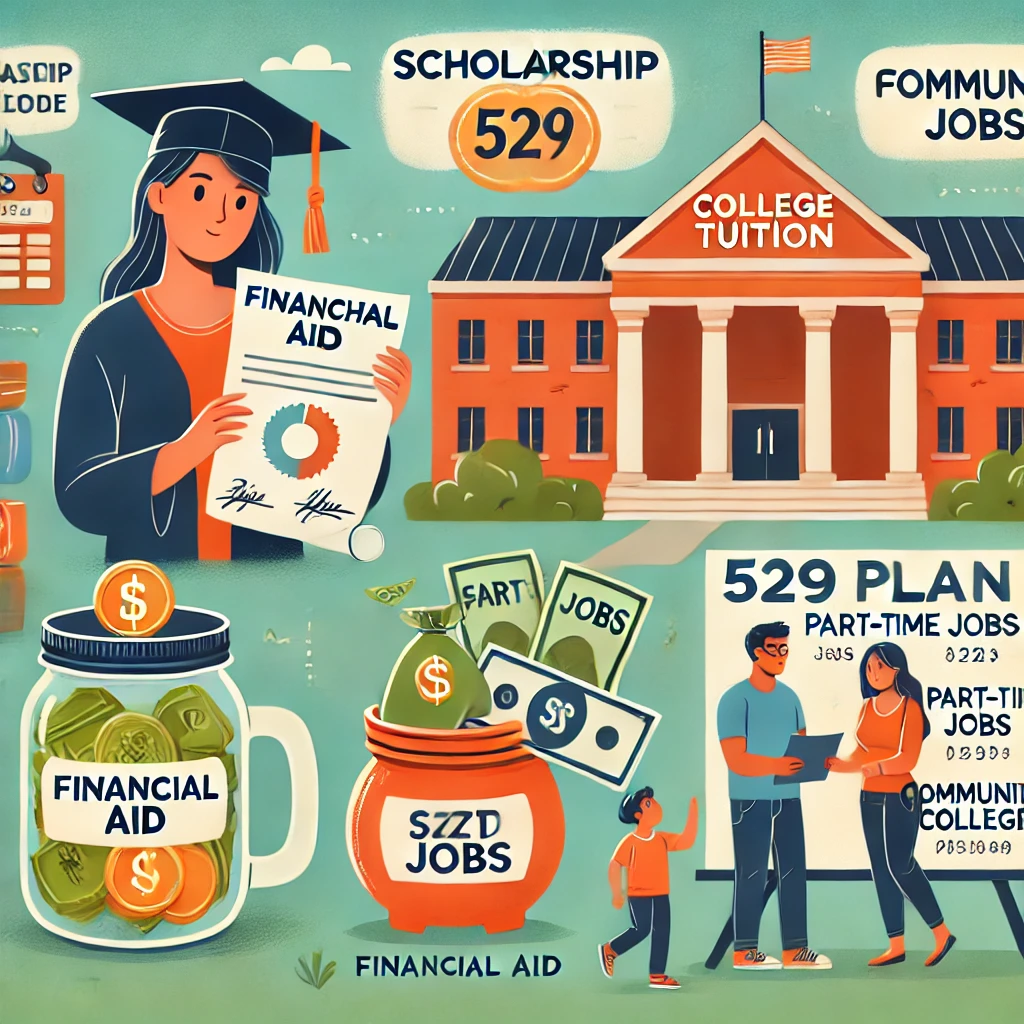
How to Afford College Tuition in the US
Paying for college in the United States can feel overwhelming, with tuition costs often reaching tens of thousands of dollars per year. However, there are many strategies and resources available to make higher education more affordable. From financial aid to scholarships and budgeting tips, this guide will help you navigate your options for affording college tuition in the US.
1. Fill Out the FAFSA
The Free Application for Federal Student Aid (FAFSA) is the first step to accessing financial assistance for college.
- Why It’s Important: The FAFSA determines your eligibility for federal grants, loans, and work-study programs. Many states and schools also use FAFSA information for their aid programs.
- When to Apply: Submit the FAFSA as early as possible (it opens on October 1 each year) to maximize your aid.
- What You Need: Information about your family’s income, tax returns, and other financial details.
Types of Aid Available Through FAFSA:
- Grants: Free money for college, such as the Pell Grant, which is based on financial need.
- Work-Study: A program that lets you earn money through part-time campus jobs.
- Federal Student Loans: Low-interest loans with flexible repayment options.
2. Apply for Scholarships
Scholarships are one of the best ways to reduce the cost of college because they don’t need to be repaid.
- Search for Scholarships: Use websites like Fastweb, Scholarships.com, and College Board to find opportunities.
- Types of Scholarships:
- Merit-Based: For academic achievements, athletic performance, or special talents.
- Need-Based: For students with financial challenges.
- Specialized: For specific demographics, career goals, or extracurricular involvement.
- Apply Early and Often: Don’t limit yourself to just one application—apply for as many scholarships as possible.
3. Consider Community College
Starting at a community college can be a cost-effective way to earn college credits before transferring to a four-year institution.
- Lower Tuition Costs: Community colleges typically charge a fraction of the tuition of four-year universities.
- Transfer Pathways: Many states have agreements that allow students to transfer seamlessly from community colleges to public universities.
- Save on Housing: By attending a local community college, you can save money by living at home.
4. Look for In-State Tuition
Attending a public university in your home state is often much cheaper than paying out-of-state tuition.
- Why It’s Cheaper: Public colleges are subsidized by state governments, making tuition more affordable for residents.
- Residency Requirements: Make sure you meet your state’s residency requirements to qualify for in-state rates.
- Tuition Reciprocity: Some states have agreements (e.g., the Midwest Student Exchange Program) that allow residents to attend colleges in nearby states at reduced tuition rates.
5. Explore Tuition-Free and Low-Cost Colleges
Some colleges offer free or reduced tuition programs for students who meet certain criteria:
- Tuition-Free Schools:
- Berea College (KY): Covers tuition for all students.
- College of the Ozarks (MO): Requires students to work on campus in exchange for free tuition.
- Income-Based Programs: Many schools, including prestigious ones like Harvard and Stanford, offer free tuition to students from families earning under a certain income threshold (e.g., $75,000–$100,000).
6. Work While in School
Balancing a job with college can help offset tuition and living expenses.
- Work-Study Jobs: These are part-time jobs offered through your financial aid package and often have flexible schedules.
- Part-Time Employment: Look for campus jobs or gigs that allow you to earn money while still focusing on your studies.
- Summer Jobs: Use your summer breaks to save money for tuition or living expenses.
7. Take Advantage of Employer Tuition Assistance
Some employers offer tuition reimbursement or assistance programs to help employees further their education.
- How It Works: Companies like Amazon, Starbucks, and Walmart offer to pay part or all of your tuition if you meet certain requirements.
- Internships: Look for internships that offer educational benefits or tuition assistance as part of the compensation package.
8. Opt for Federal Student Loans Over Private Loans
If you need to borrow money, prioritize federal student loans over private loans.
- Why Federal Loans Are Better: They have lower interest rates, more flexible repayment plans, and options for loan forgiveness.
- Types of Federal Loans:
- Subsidized Loans: Interest doesn’t accrue while you’re in school.
- Unsubsidized Loans: Interest accrues while you’re in school but offers flexible repayment.
- Limit Private Loans: Private loans often have higher interest rates and fewer protections.
9. Budget and Cut Living Expenses
Reducing your living costs can free up money to put toward tuition.
- Housing: Live at home, share an apartment with roommates, or look for cheaper dorm options.
- Food: Meal prep and use campus dining plans instead of eating out.
- Transportation: Use public transportation, carpool, or bike to save on commuting costs.
- Books and Supplies: Rent textbooks, buy used ones, or use free online resources like OpenStax.
10. Use Payment Plans
Many colleges offer tuition payment plans that allow you to spread out your payments over several months instead of paying all at once.
- How It Works: Payment plans typically require a small enrollment fee but let you avoid taking out additional loans.
- Advantages: Breaks tuition into manageable chunks without accruing interest.
11. Pursue Grants
Grants, like scholarships, don’t need to be repaid and are often awarded based on financial need.
- Federal Grants: The Pell Grant is available to low-income undergraduate students and can provide up to $7,395 per year (as of 2023).
- State Grants: Many states offer grants to residents attending in-state colleges.
- Institutional Grants: Check with your college for need-based or merit-based grants.
12. Consider ROTC or Military Service
Joining the military or participating in an ROTC (Reserve Officers’ Training Corps) program can help cover tuition.
- ROTC Scholarships: These scholarships cover tuition and fees in exchange for a service commitment after graduation.
- GI Bill: Veterans and active-duty military members can use the Post-9/11 GI Bill to pay for college.
13. Crowdfunding and Side Hustles
If you’re struggling to cover costs, you can get creative with alternative funding sources.
- Crowdfunding: Platforms like GoFundMe or Fundly allow you to raise money for tuition from family, friends, and community members.
- Side Hustles: Freelancing, tutoring, or selling handmade goods online can help you earn extra cash.
14. Look Into Loan Forgiveness Programs
Certain careers and programs offer loan forgiveness for students who meet specific requirements.
- Public Service Loan Forgiveness (PSLF): Forgives federal loans for those working in qualifying public service jobs after 10 years of payments.
- Teacher Loan Forgiveness: For educators who work in low-income schools.
- State-Specific Programs: Some states have their own loan forgiveness programs for in-demand professions like nursing or social work.
Final Thoughts
While the cost of college in the US is high, there are many resources and strategies available to make it more affordable. By taking advantage of financial aid, scholarships, work opportunities, and budgeting tips, you can reduce the burden of tuition and achieve your educational goals without drowning in debt.
For more tips on managing college costs and student finances, check out helpful guides to stay informed and take control of your education budget.
Добавить комментарий