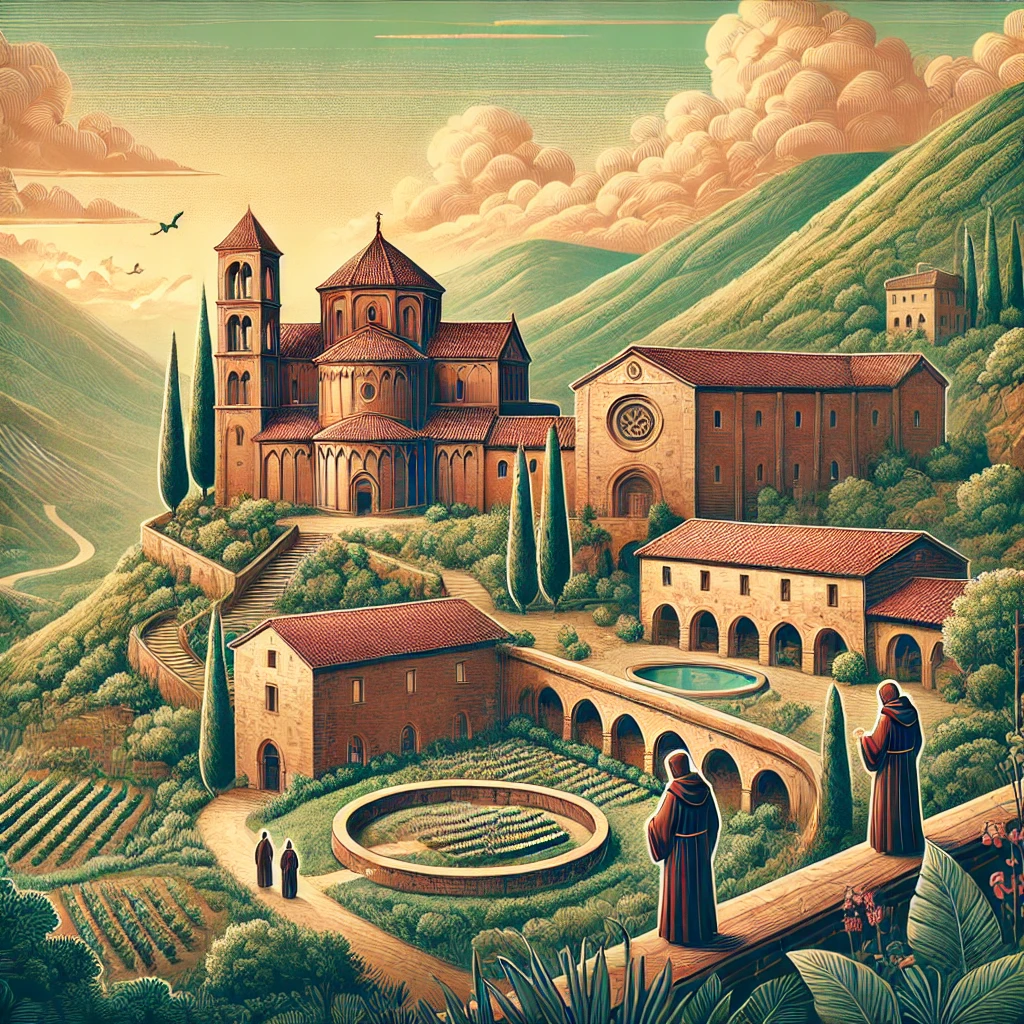
Hidden Monasteries in Italy
Italy’s rich history and breathtaking landscapes are home to many hidden monasteries that offer serene escapes from the hustle and bustle of modern life. These secluded sanctuaries, often tucked away in forests, mountains, or remote valleys, are not only spiritual havens but also architectural gems. Whether you’re seeking a quiet retreat or a unique sightseeing experience, Italy’s hidden monasteries are treasures waiting to be explored.
Discovering Italy’s Hidden Monasteries
1. Eremo delle Carceri (Assisi)
Nestled on the slopes of Mount Subasio, this peaceful hermitage is where St. Francis of Assisi retreated for prayer and meditation. Surrounded by dense woodlands, the monastery offers tranquil walking paths and a chance to experience the simplicity of Franciscan life.
2. Sacra di San Michele (Piedmont)
Perched high on Mount Pirchiriano, this 10th-century abbey inspired Umberto Eco’s novel The Name of the Rose. Its dramatic location and stunning views of the Susa Valley make it a must-visit for history buffs and photography enthusiasts alike.
3. Abbazia di San Fruttuoso (Liguria)
Accessible only by boat or a challenging hike, this seaside monastery in Camogli is a hidden gem on the Italian Riviera. Dating back to the 8th century, it boasts beautiful Romanesque architecture and overlooks turquoise waters.
4. Monastero di San Benedetto (Lazio)
Known as the «Sacro Speco» or Holy Cave, this monastery clings to a cliffside in Subiaco. Built into the rock, it features stunning frescoes and offers panoramic views of the surrounding valley. It’s a true testament to medieval craftsmanship.
5. Eremo di Camaldoli (Tuscany)
Tucked away in the Casentino Forest, this monastic complex has been a center of spiritual life since the 11th century. Visitors can explore the ancient hermitage and monastery, as well as enjoy the peaceful forest trails surrounding the area.
Why Visit Hidden Monasteries in Italy?
These secluded monasteries are not just places of worship; they are windows into Italy’s past. From their intricate frescoes to their awe-inspiring locations, they blend art, history, and nature. Many still house small communities of monks or nuns, adding a sense of living heritage to the experience.
Tips for Exploring Monasteries
- Plan Ahead: Many monasteries have specific visiting hours, so check ahead before you go.
- Respect the Atmosphere: Dress modestly and maintain a quiet demeanor, as these are often active places of worship.
- Combine with Nature Walks: Many monasteries are surrounded by scenic trails, offering opportunities for hiking and relaxation.
- Bring a Camera: The settings of these monasteries—be it mountains, forests, or seaside cliffs—are often breathtaking.
For more tips on improving your photography and editing skills, check out helpful guides to take your selfies to the next level.
Добавить комментарий