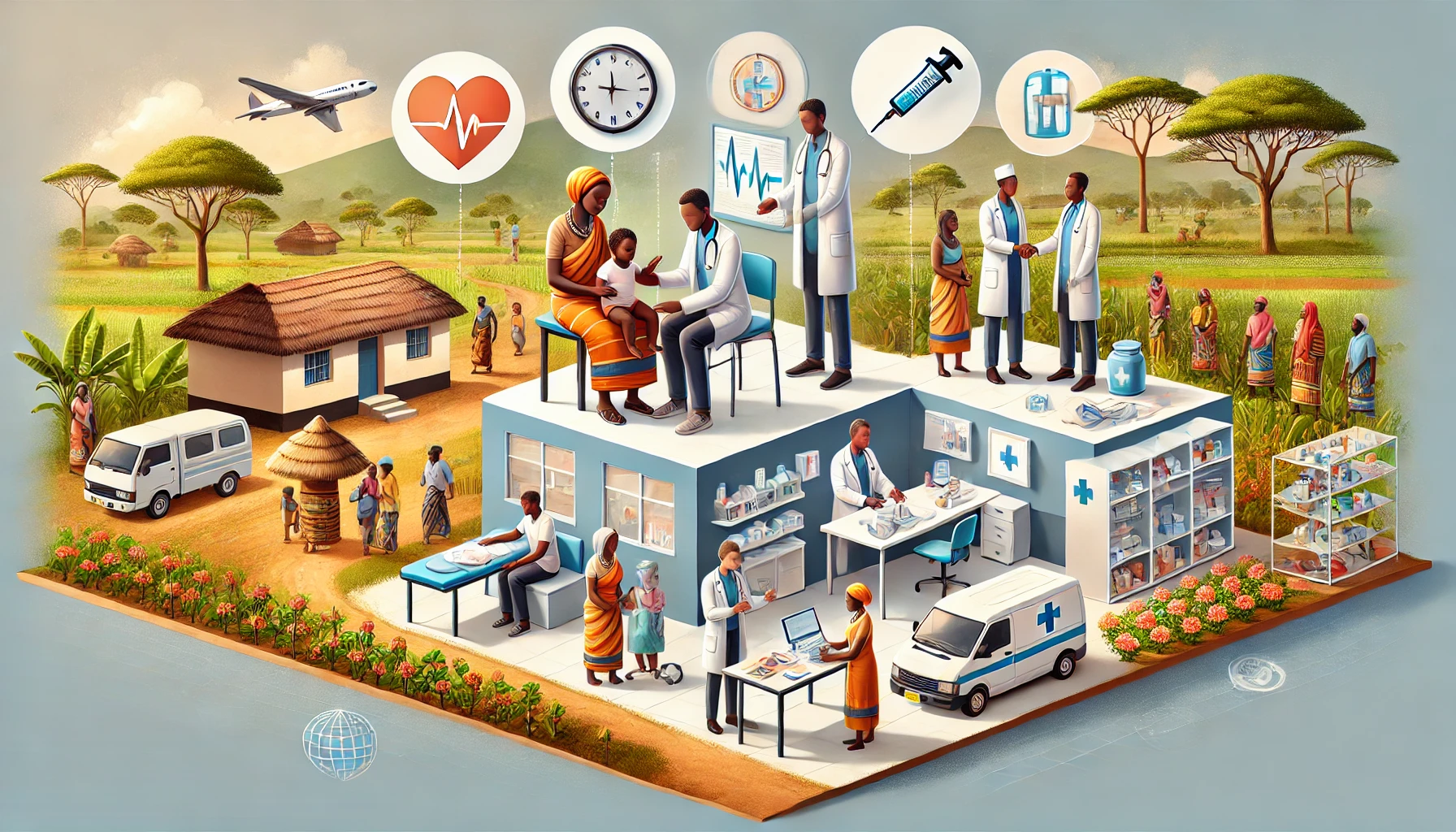
Health Systems in Malawi
Malawi’s health system plays a critical role in ensuring the well-being of its population, but it faces significant challenges due to limited resources, a high disease burden, and a growing demand for healthcare services. Despite these obstacles, the country has made remarkable progress in improving healthcare access, particularly in rural areas. Below, we explore Malawi’s health infrastructure, key challenges, and ongoing efforts to strengthen the system.
1. Structure of Malawi’s Health System
Malawi’s healthcare system operates through a decentralized structure, with services provided at different levels:
- Community Health Services: The first point of contact for many Malawians, including village health clinics and health surveillance assistants who provide basic care, vaccinations, and maternal health services.
- Health Centers & Clinics: These provide primary healthcare services, including maternal and child health, treatment for common illnesses, and minor procedures.
- District Hospitals: Located in each district, these facilities offer secondary care, including surgery, specialized consultations, and emergency treatment.
- Central Hospitals: There are four major referral hospitals in Malawi (in Lilongwe, Blantyre, Zomba, and Mzuzu) that provide specialized medical services.
- Private and Faith-Based Facilities: Organizations such as the Christian Health Association of Malawi (CHAM) run hospitals and clinics, complementing public healthcare services.
2. Key Health Challenges in Malawi
Despite improvements in healthcare delivery, Malawi still faces several challenges:
- High Disease Burden: Malaria, HIV/AIDS, tuberculosis, and non-communicable diseases (NCDs) like hypertension and diabetes are major health concerns.
- Limited Healthcare Workforce: There is a shortage of doctors, nurses, and specialists, with many healthcare professionals migrating to other countries for better opportunities.
- Maternal and Child Health Issues: High rates of maternal and infant mortality remain a concern, although programs promoting antenatal care and skilled birth attendance have helped reduce deaths.
- Infrastructure and Resource Gaps: Many health facilities lack essential equipment, medications, and reliable electricity or water supply.
- Impact of Climate Change: Increased cases of malnutrition, cholera outbreaks, and vector-borne diseases are linked to extreme weather patterns affecting food security and water sources.
3. Government and International Efforts
To address these challenges, Malawi’s government, alongside international partners, has launched several initiatives:
- Essential Health Package (EHP): A government-led program ensuring free access to essential medical services, particularly for maternal, neonatal, and child health.
- HIV/AIDS and Malaria Control Programs: With support from organizations like the Global Fund and USAID, Malawi has expanded antiretroviral therapy (ART) and insecticide-treated mosquito net distribution.
- Health Worker Training Programs: To combat the shortage of professionals, training institutions have increased efforts to produce more doctors and nurses.
- Community-Based Health Programs: Outreach programs focus on nutrition, immunization, and disease prevention to strengthen healthcare access in rural areas.
4. Future Prospects for Malawi’s Health System
While challenges remain, Malawi is making strides in improving healthcare access and delivery. The expansion of digital health solutions, investments in healthcare infrastructure, and continued support from global health initiatives offer hope for a more resilient health system in the years ahead.
For more tips on improving your photography and editing skills, check out helpful guides to take your selfies to the next level at ocean.co.ua.
Добавить комментарий