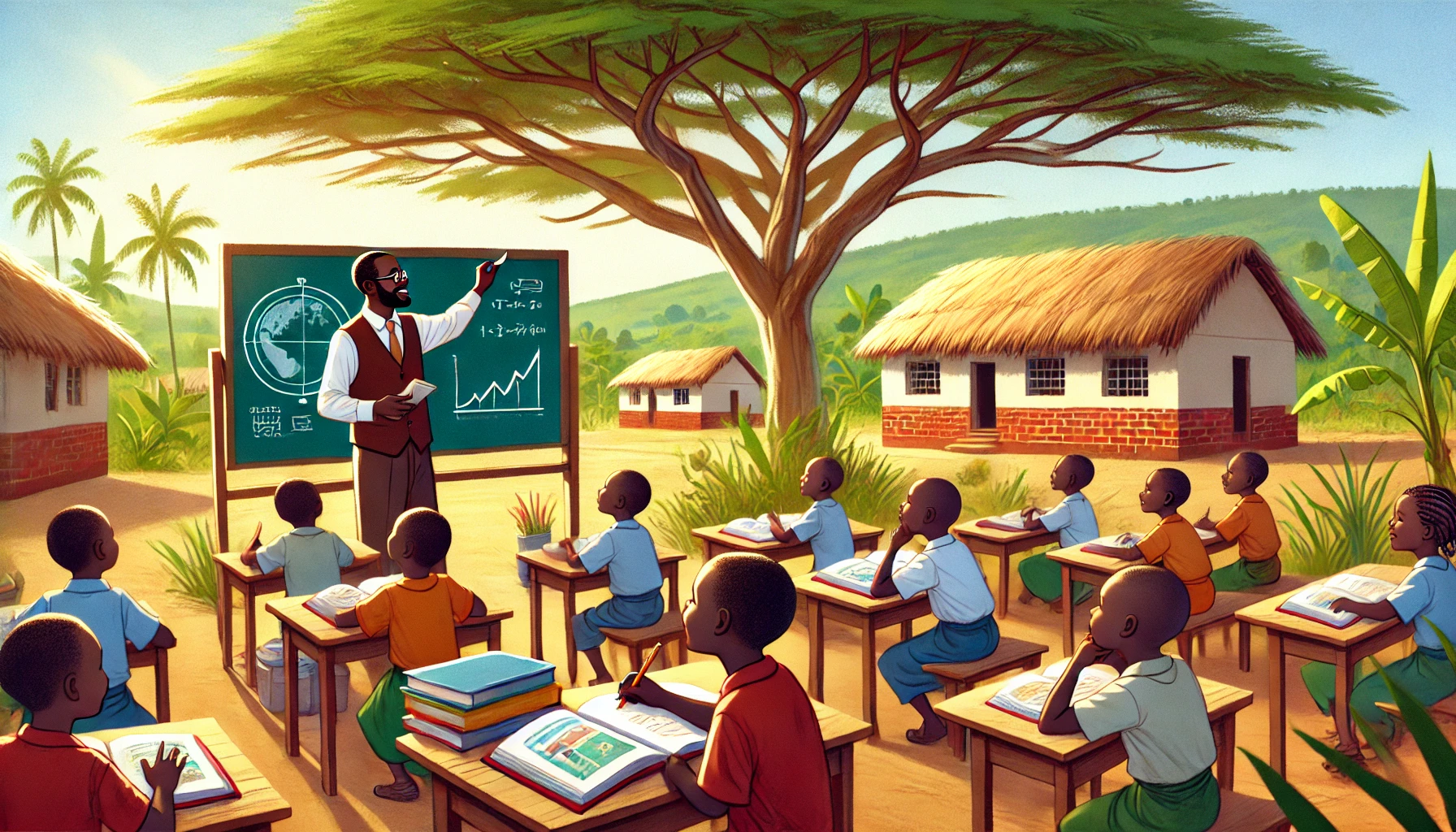
Education Initiatives in Uganda
Uganda has made significant strides in improving access to education over the past few decades. With a focus on universal education, vocational training, and digital learning, various initiatives have been launched to bridge the education gap and empower young Ugandans. Here’s a look at some of the key education initiatives transforming Uganda’s learning landscape.
1. Universal Primary Education (UPE)
Launched in 1997, Uganda’s Universal Primary Education (UPE) program aimed to provide free primary education for all children. This initiative significantly increased school enrollment, especially among girls and children from low-income families.
- Impact: Primary school enrollment surged from 3 million in the 1990s to over 8 million today.
- Challenges: Despite increased access, issues like overcrowded classrooms, teacher shortages, and quality concerns remain.
2. Universal Secondary Education (USE)
Following the success of UPE, Uganda introduced Universal Secondary Education (USE) in 2007 to expand access to high school education.
- Impact: The program has helped thousands of students continue their education beyond primary school.
- Challenges: Many rural areas still lack enough secondary schools, leading to long travel distances for students.
3. Skilling Uganda Initiative
Recognizing the need for practical skills in the job market, the Skilling Uganda Initiative was launched to promote vocational and technical education.
- Focus: Hands-on training in fields like carpentry, mechanics, agriculture, and ICT.
- Goal: Reduce youth unemployment by equipping students with employable skills.
4. Private and NGO-Led Education Programs
BRAC Uganda Education Program
BRAC runs community-based schools to support underprivileged children, particularly girls, who might not have access to formal education.
Educate! Uganda
This initiative integrates leadership and entrepreneurship training into Uganda’s school system, preparing students for self-employment and business ventures.
Room to Read Uganda
Focused on literacy and girls’ education, Room to Read provides books, libraries, and scholarships for girls to complete secondary school.
5. Digital Learning and E-Learning Initiatives
Kolibri by Learning Equality
Kolibri is an offline digital learning platform introduced in Uganda to help students access educational resources even in remote areas with limited internet.
MTN Uganda’s Smart Schools Initiative
MTN, a leading telecom company, has introduced digital learning tools to improve e-learning, especially in rural schools.
World Bank’s Uganda Teacher and School Effectiveness Project (UTSEP)
This initiative focuses on improving digital resources, teacher training, and overall school infrastructure.
6. Girls’ Education Initiatives
Keep a Girl in School (KAGIS)
Many Ugandan girls drop out of school due to lack of sanitary products. The KAGIS initiative provides reusable pads and menstrual health education to keep girls in school.
FAWE Uganda (Forum for African Women Educationalists)
FAWE Uganda works to increase girls’ enrollment and retention in schools by providing scholarships and mentorship programs.
7. Refugee Education Programs
With Uganda hosting one of the largest refugee populations in Africa, education initiatives have been implemented to integrate refugee children into local schools. Organizations like UNHCR, Windle International, and Save the Children provide learning materials, teacher training, and support systems for refugee students.
8. Challenges Facing Uganda’s Education System
Despite these initiatives, Uganda’s education sector faces challenges such as:
- Overcrowded classrooms due to high enrollment rates.
- Teacher shortages and lack of proper training.
- Limited access to secondary and higher education in rural areas.
- Insufficient school infrastructure, including libraries and science labs.
Why Education Initiatives in Uganda Matter
Education is a key driver of development, and Uganda’s efforts to improve literacy, vocational skills, and digital access are shaping a brighter future for its youth. Continued investment in education will be essential for empowering the next generation and reducing poverty.
For more tips on improving your photography and editing skills, check out helpful guides to take your selfies to the next level.
Добавить комментарий