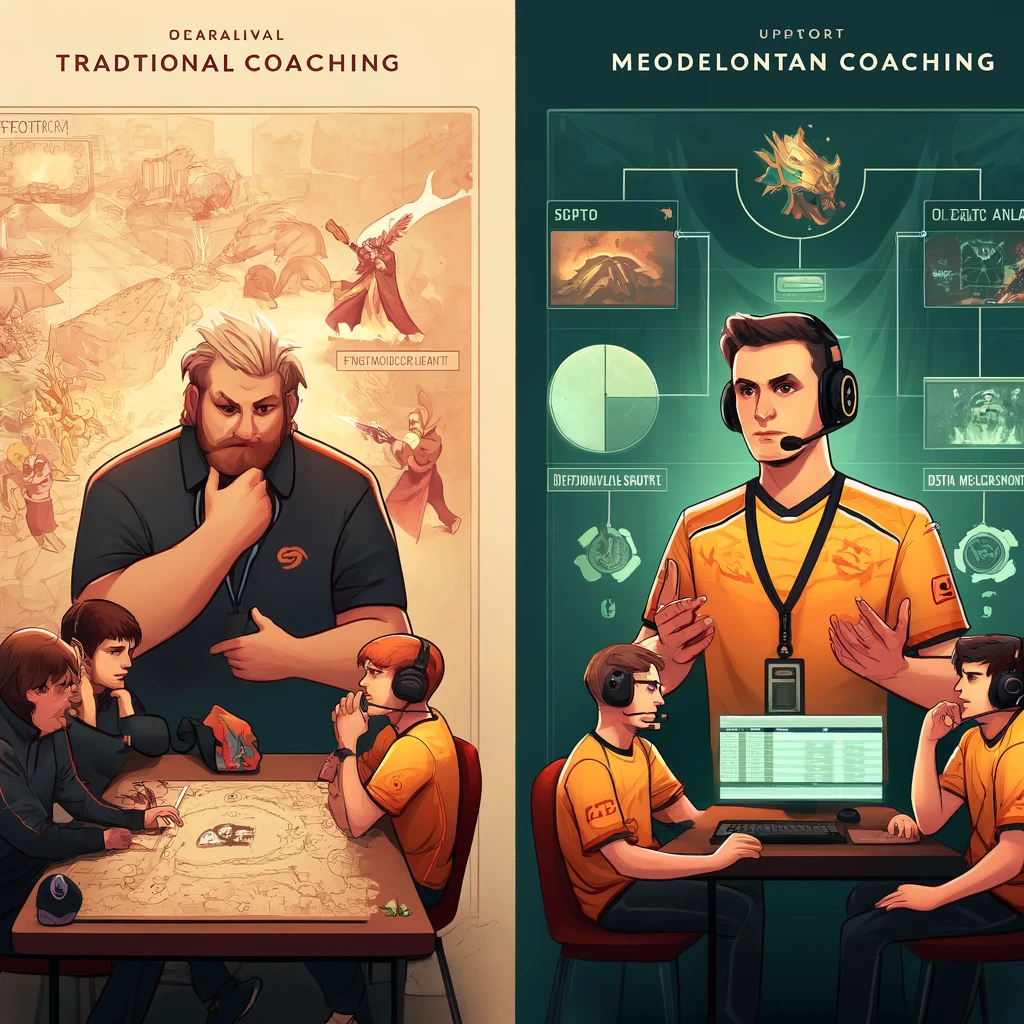
Dota 2 coaching can vary significantly based on factors such as the coach’s expertise, the team or player’s skill level, and the specific goals they aim to achieve. From amateur teams looking to climb the ranks to professional squads competing at the highest levels, the approach and focus areas of coaching can differ greatly. Here’s a look at some of the key differences in Dota 2 coaching:
Amateur vs. Professional Coaching:
Amateur Teams/Players:
- Fundamentals: Coaching at this level often focuses on the basics of Dota 2, including laning, farming efficiency, warding, and basic team fighting strategies.
- Individual Skills: Coaches work on improving individual players’ mechanical skills, such as last-hitting, positioning, and hero-specific mechanics.
- Understanding Meta: Helping players grasp the current meta, including popular hero picks and effective strategies.
- Psychological Aspects: Coaches may spend time building confidence, teaching how to deal with losses constructively, and fostering good communication within the team.
Professional Teams:
- Advanced Strategies: Coaching focuses on advanced game tactics, draft analysis, and counter-strategies against specific teams or players.
- Team Dynamics: Professional coaching delves deeper into team synergy, role specialization, and in-game decision-making processes.
- Data Analysis: Utilizing game data and statistics to review performances, identify weaknesses, and scout opponents.
- Mental and Physical Health: Professional coaches also pay attention to players’ well-being, stress management, and physical fitness to maintain peak performance levels.
Individual vs. Team Coaching:
Individual Coaching:
- Personalized Feedback: Coaching is tailored to the specific needs of the player, focusing on their strengths and areas for improvement.
- Role Specialization: Individual coaching often includes role-specific training, such as mastering the nuances of playing carry, support, or offlane.
- Flexibility: Sessions can be more flexible, adjusting to the player’s schedule and immediate learning objectives.
Team Coaching:
- Team Synergy: Emphasis is placed on building effective communication, trust, and understanding among team members.
- Strategic Planning: Coaches help teams develop their unique playstyle, strategize drafts, and plan game phases (early, mid, late).
- Conflict Resolution: A significant part of team coaching is managing conflicts, ensuring a healthy team environment, and maintaining motivation.
Online vs. In-person Coaching:
Online Coaching:
- Accessibility: Online coaching is more accessible to a broader audience and allows for coaching sessions across different geographical locations.
- Use of Tools: Sessions often leverage replay analysis, shared screens, and real-time game observation for teaching.
In-person Coaching:
- Direct Interaction: Allows for more nuanced feedback and personal interaction, which can be beneficial for building rapport and trust.
- Team Bootcamps: In-person coaching is particularly effective during team bootcamps where focus is on intensive training and team building activities.
Regardless of the level and format, effective Dota 2 coaching requires a deep understanding of the game, the ability to communicate complex ideas clearly, and the skills to motivate and inspire players or teams. As the competitive scene evolves, so too does the art of coaching, adapting to new strategies, technologies, and player needs.
Добавить комментарий