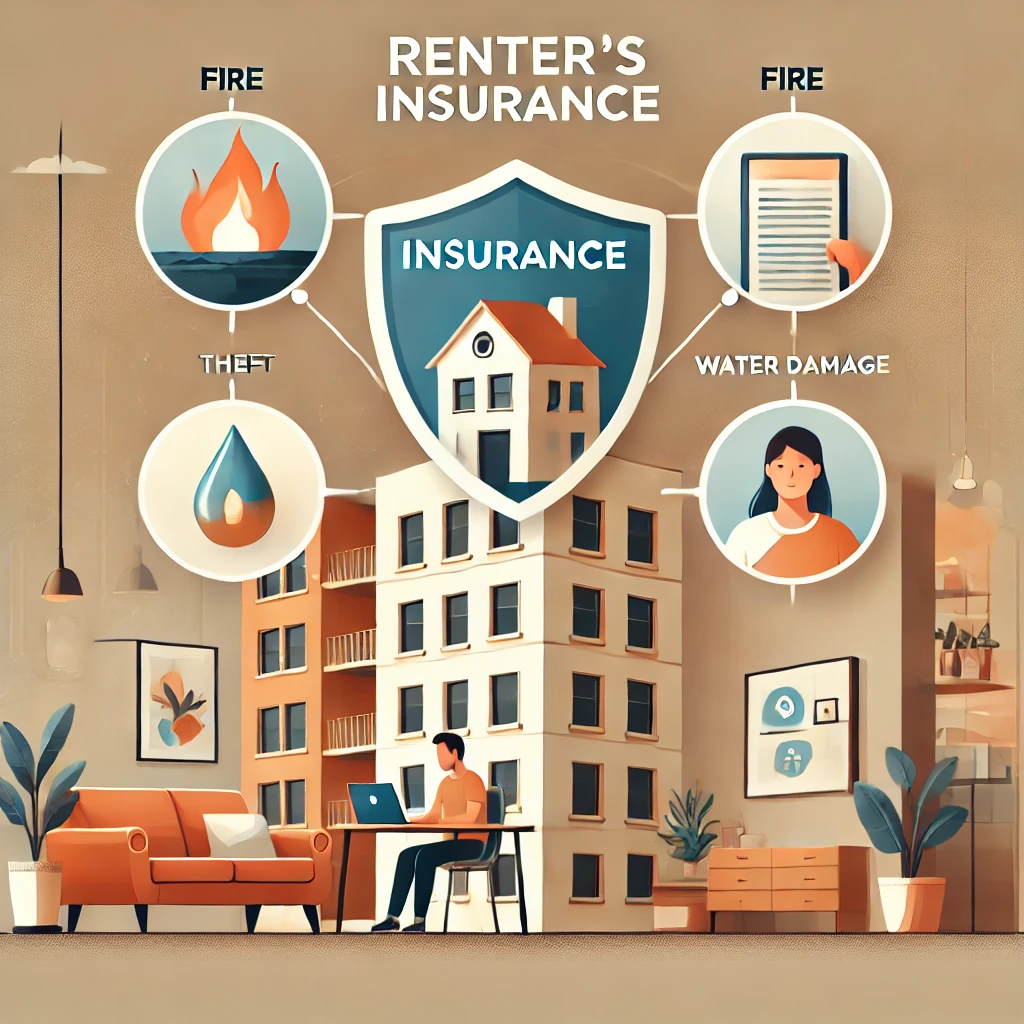
Renter’s Insurance
When renting an apartment, one question many tenants ask is whether renter’s insurance is necessary. While it may not always be legally required, having renter’s insurance can be a smart decision to protect yourself financially. Let’s explore why you might need it, what it covers, and when it’s mandatory.
1. What Is Renter’s Insurance?
Renter’s insurance is a policy designed specifically for tenants. It provides coverage for personal belongings, liability, and additional living expenses in case of an emergency, such as a fire or flood. Unlike a landlord’s insurance, which covers the physical structure of the property, renter’s insurance protects your possessions and any liability you might face as a tenant.
2. Is Renters Insurance Mandatory?
In most states, renter’s insurance isn’t legally required. However, many landlords include it as a condition in their lease agreements. This means that if your landlord mandates renter’s insurance, you’ll need to purchase a policy before moving in. Even if it’s not required, having a policy is often worth the peace of mind it provides.
3. What Does Renter’s Insurance Cover?
Renter’s insurance typically includes three key areas of protection:
- Personal Property: Covers the cost of replacing or repairing your belongings if they are damaged or stolen. For instance, if your electronics, furniture, or clothing are lost in a fire or burglary, your policy can help cover the expenses.
- Liability Protection: Protects you if someone gets injured in your apartment or if you accidentally cause damage to someone else’s property. For example, if a guest slips and falls, your policy can help cover medical expenses or legal fees.
- Additional Living Expenses: If your apartment becomes uninhabitable due to a covered event (like a fire or flood), your policy can cover the cost of temporary housing, meals, and other related expenses.
4. Why Renter’s Insurance Is a Good Idea
Even if it’s not required, renter’s insurance can save you from significant financial losses. For instance, replacing all your belongings after a fire can cost thousands of dollars. Additionally, liability protection ensures you’re not paying out of pocket if someone is injured in your home. Given that most renter’s insurance policies cost as little as $15-$30 per month, the benefits often outweigh the cost.
5. Factors to Consider When Getting Renter’s Insurance
Before purchasing a policy, here are a few things to keep in mind:
- Coverage Limits: Make sure your policy covers the full value of your belongings. Conduct an inventory of your possessions to estimate how much coverage you’ll need.
- Deductibles: Choose a deductible amount that fits your budget. A higher deductible can lower your monthly premiums but may require you to pay more out of pocket in the event of a claim.
- Exclusions: Be aware of what your policy doesn’t cover. For example, some policies may not include coverage for floods or earthquakes unless you add extra protection.
For more tips on improving your photography and editing skills, check out helpful guides to take your selfies to the next level.
Добавить комментарий