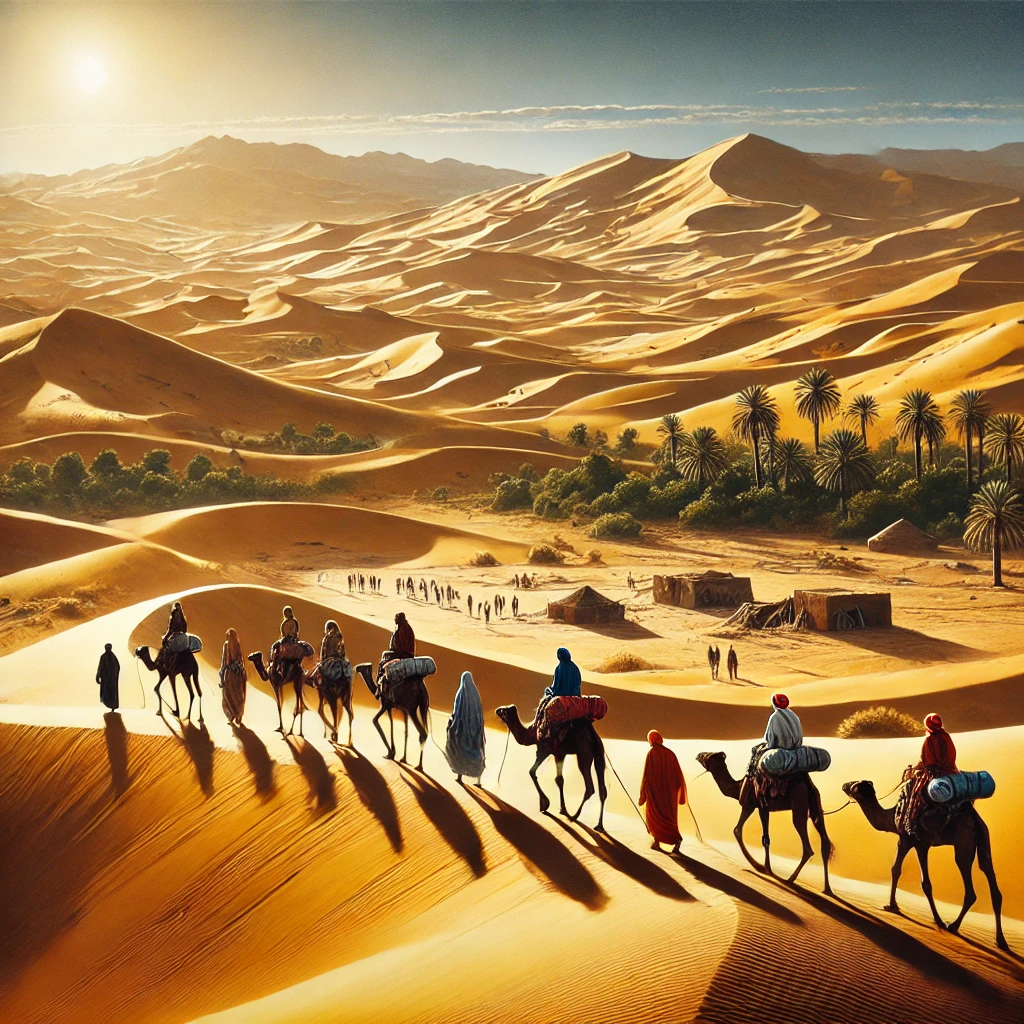
Desert Trekking in Mauritania
Mauritania, a land of vast, untouched deserts and ancient nomadic traditions, offers one of the most authentic desert trekking experiences in the world. With endless dunes, hidden oases, and historic caravan routes, trekking through the Mauritanian Sahara is an adventure that immerses travelers in the raw beauty and solitude of the desert. Here’s what you need to know before setting out on this unforgettable journey.
1. The Experience
Desert trekking in Mauritania typically involves traveling on foot or by camel, following routes that have been used by Berber and Tuareg nomads for centuries. The journey takes adventurers through breathtaking landscapes, from towering sand dunes to rocky plateaus and isolated villages. The silence of the desert, broken only by the wind and the rhythmic steps of camels, makes for a truly meditative experience.
2. Top Desert Trekking Routes
Mauritania offers several stunning trekking routes, each with its own unique scenery and cultural significance:
- Adrar Plateau: One of the most famous trekking regions, the Adrar Plateau is known for its dramatic dunes, sandstone cliffs, and ancient caravan towns like Chinguetti, a UNESCO-listed site famous for its historic libraries.
- Terjit Oasis: A hidden gem in the desert, Terjit is a lush oasis with palm trees and natural springs, offering a refreshing stop for trekkers.
- Erg Amatlich: A mesmerizing sea of dunes that provides a challenging but rewarding trekking experience.
- Tagant Plateau: Home to breathtaking rock formations, prehistoric cave paintings, and traditional nomadic settlements.
3. Camel Trekking vs. Walking
Many trekkers choose to travel by camel, a traditional and practical way to navigate the Sahara’s vast distances. Riding a camel allows for a slower, more immersive experience, while also providing rest from long hours of walking. Alternatively, some prefer to walk alongside the caravan, experiencing the terrain firsthand.
4. Cultural Encounters
Mauritania’s desert is home to nomadic communities who have preserved their way of life for centuries. Trekking through the region offers opportunities to meet local Berbers and Moors, learn about their traditions, and share tea under the stars. The hospitality of the desert people is legendary, and visitors are often welcomed with open arms.
5. Best Time to Go
The best time for desert trekking in Mauritania is:
- October to March: Cooler temperatures make trekking more comfortable.
- Avoid June to September: Extreme heat can make travel dangerous.
6. Essential Gear for Desert Trekking
- Lightweight, breathable clothing to protect against sun and sand.
- A sturdy scarf or turban (cheche) for sun protection and sandstorms.
- Plenty of water and hydration salts to prevent dehydration.
- Comfortable walking shoes or sandals suited for sand and rocky terrain.
- A warm sleeping bag as desert nights can be very cold.
- Sunscreen, sunglasses, and a hat to shield from the intense sun.
7. Challenges and Precautions
- Extreme temperatures: Days can be scorching, while nights can be freezing.
- Navigation difficulties: The desert can be disorienting, so traveling with a local guide is highly recommended.
- Limited water sources: Always carry enough water and plan stops at known wells or oases.
Conclusion
Desert trekking in Mauritania is not just a journey through stunning landscapes—it’s an immersion into one of the world’s last great wildernesses. Whether traversing golden dunes on camelback, exploring ancient caravan towns, or sharing tea with nomads under a star-filled sky, the experience is one of unparalleled beauty and adventure.
For more tips on improving your photography and editing skills, check out helpful guides to take your selfies to the next level.
Добавить комментарий