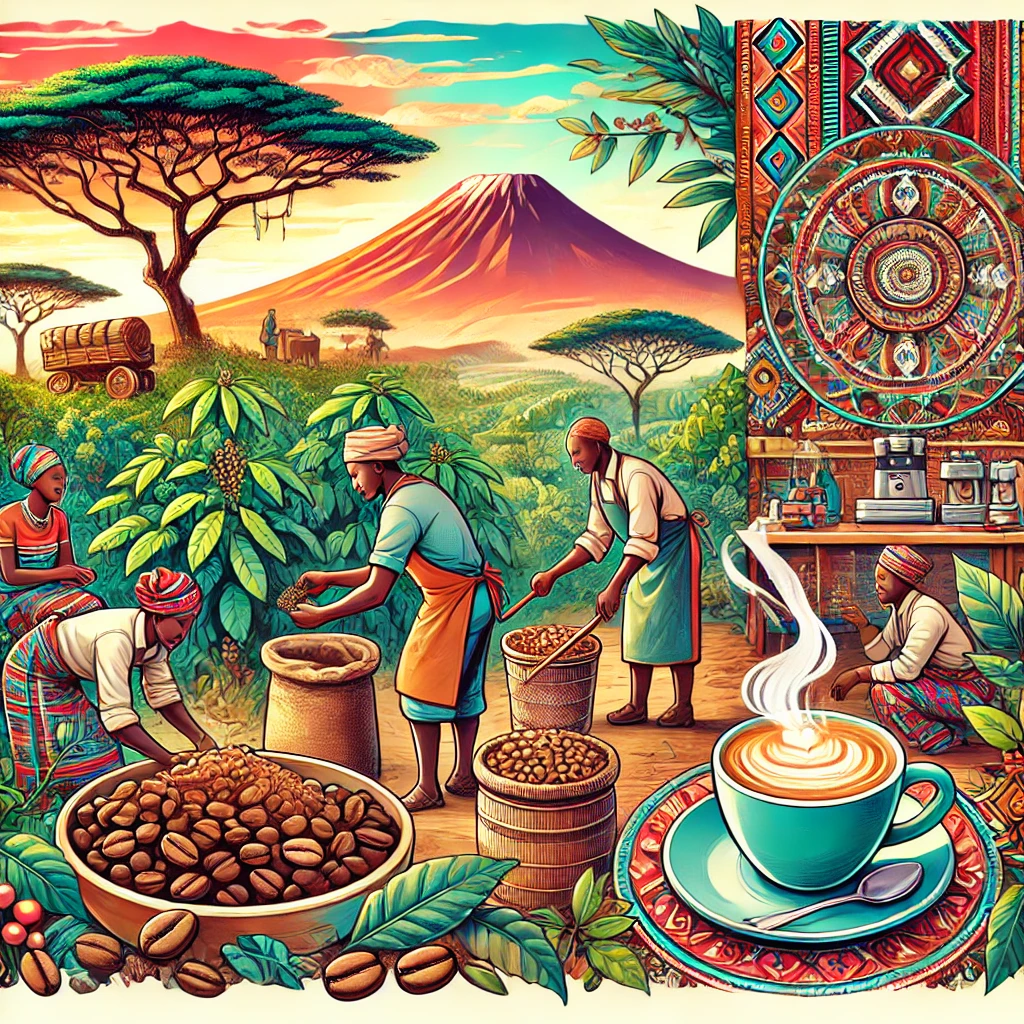
Coffee Culture in Kenya
Kenya is renowned for its exceptional coffee, with a rich culture deeply intertwined with its history and economy. While Kenyan coffee is celebrated worldwide for its bold flavor and aromatic richness, the local coffee culture has been growing steadily, blending tradition with modern influences. Here’s an exploration of the unique coffee culture in Kenya.
The History of Coffee in Kenya
Although coffee wasn’t native to Kenya, it was introduced by British colonists in the late 19th century. The fertile volcanic soils and high-altitude regions, particularly in areas like Nyeri, Kiambu, and Kirinyaga, created the perfect environment for cultivating premium Arabica coffee. Over time, coffee production became a vital part of the country’s economy, with Kenya now recognized as one of the world’s top producers of specialty coffee.
Kenyan Coffee: A Flavor Like No Other
Kenyan coffee is prized for its unique taste profile. With a characteristic bright acidity, wine-like undertones, and fruity flavors, it’s no surprise that Kenyan beans are a favorite among coffee connoisseurs. Some of the most notable varieties include SL28, SL34, and Ruiru 11, each grown under strict quality standards in the country’s high-altitude regions.
Coffee Culture Among Locals
Traditionally, tea has been the preferred beverage in Kenyan households, with «chai» being a staple at most meals. However, coffee consumption among locals has been on the rise, thanks to a growing middle class and the influence of modern café culture. In cities like Nairobi and Mombasa, you’ll now find trendy coffee shops offering specialty brews, serving as hubs for socializing, working, or simply relaxing.
The Rise of Kenyan Coffee Houses
In recent years, Kenya has witnessed a surge in homegrown coffee shop chains and boutique cafés. Establishments like Java House and Artcaffe have become iconic, offering locally roasted coffee in inviting spaces. Additionally, independent cafés like Spring Valley Coffee and Kesh Kesh Coffee focus on artisanal brewing methods and highlight the farm-to-cup journey of Kenyan coffee beans.
Coffee Tourism in Kenya
Coffee tourism is another emerging trend in Kenya. Visitors can explore coffee farms in regions like Nyeri and Thika, learning about the cultivation, harvesting, and processing of coffee beans. Many tours also include coffee tastings, allowing guests to savor the distinct flavors of freshly brewed Kenyan coffee while enjoying the scenic landscapes of rural Kenya.
Modern Trends in Kenyan Coffee Culture
- Specialty Brews: Single-origin coffee and pour-over methods are gaining popularity in urban coffee shops, introducing locals to the nuances of high-quality coffee.
- Barista Artistry: Baristas in Kenya are embracing latte art and other creative techniques to elevate the coffee-drinking experience.
- Coffee at Home: With increased access to coffee machines and specialty beans, more Kenyans are enjoying quality coffee at home, signaling a shift in consumer habits.
- Sustainability: Many Kenyan coffee producers and roasters are adopting eco-friendly practices, such as sustainable farming and biodegradable packaging, to meet global and local demand for environmentally conscious products.
Conclusion
The coffee culture in Kenya is a fascinating blend of tradition, global influence, and modern trends. From its world-class beans to its thriving café scene, Kenya offers a unique coffee experience that resonates with both locals and visitors. Whether you’re sipping a freshly brewed cup in a bustling Nairobi café or touring the lush coffee farms in the highlands, one thing is certain: coffee in Kenya is more than just a beverage – it’s a lifestyle.
For more tips on improving your photography and editing skills, check out helpful guides at ocean.co.ua to take your selfies to the next level.
Добавить комментарий