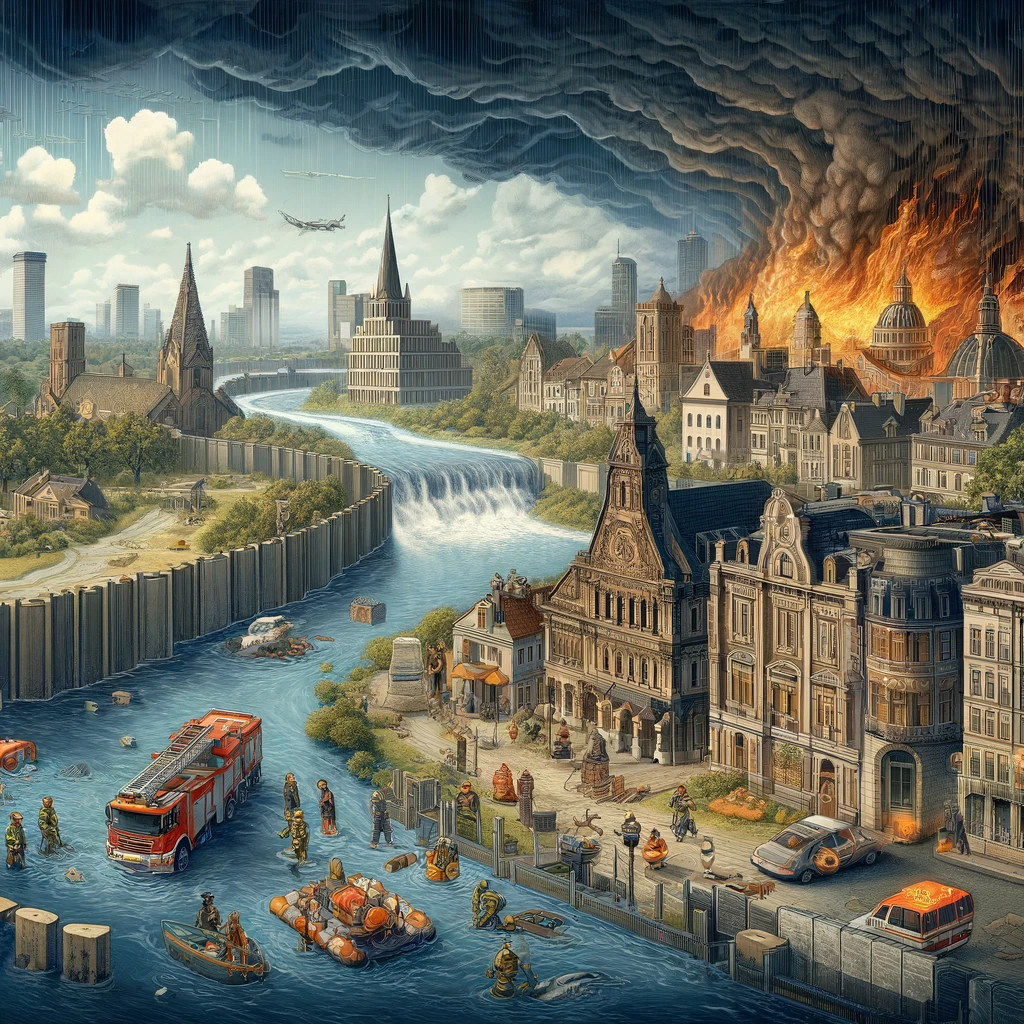
Civilization VI Disaster Management Guide: Thriving in the Face of Adversity
In Civilization VI, particularly with the Gathering Storm expansion, managing natural disasters is a crucial aspect of gameplay that can have significant impacts on your civilization’s development and survival. Disasters such as floods, volcanic eruptions, and storms can destroy your improvements and kill your population, but they can also rejuvenate the land with enhanced fertility. Here’s a guide on how to effectively manage and even capitalize on these natural events.
Understanding Natural Disasters
Natural disasters in Civilization VI come in various forms, each with different effects on your cities and terrain:
- Floods: Occur along river tiles, damaging improvements and districts but increasing the fertility of the tiles.
- Volcanic Eruptions: Affect tiles around volcanoes, destroying anything in adjacent tiles but making the soil more fertile for future turns.
- Storms (Hurricanes, Tornadoes, Blizzards, Sandstorms, Dust Storms): Travel across your map, damaging units, improvements, and districts in their path.
- Droughts: Decrease the productivity of land tiles for a duration, significantly impacting food production and growth.
Strategies for Disaster Management
1. Preparation is Key
The best way to manage disasters is to prepare for them:
- Settle Wisely: When settling new cities, consider the risks of nearby natural features like rivers and volcanoes. While these locations offer benefits like increased fertility after disasters, they also pose risks.
- Infrastructure Planning: Build infrastructure that can minimize the damage caused by disasters. For rivers prone to flooding, consider constructing Dams. For volcanic regions, Reinforced Materials (from the Civil Engineering civic) can help protect your city’s buildings.
- Advanced Warnings: Technologies like Seismology can help predict earthquakes and volcanic eruptions, giving you a chance to prepare and mitigate damage.
2. Adaptation Policies
Utilize your government’s policies and civics to help mitigate and manage disaster effects:
- Disaster Response Unit: Available with the Mobilization civic, this unit can be used to quickly repair damage caused by disasters.
- Policies: Adopt policies that enhance your ability to recover from disasters, such as Emergency Powers, which can be helpful after significant disasters.
3. Economic Management
Maintain a robust economy that can withstand the costs associated with recovering from disasters:
- Emergency Funds: Always have a reserve of funds available for post-disaster reconstruction. Avoid overspending on military or expansion at the risk of being unable to recover from a disaster.
- International Aid: Sometimes, especially after severe disasters, you can request aid from other civilizations through the World Congress, which can provide additional funds and resources.
4. Leveraging Disasters for Gain
Interestingly, disasters can also be turned to your advantage:
- Fertile Lands: Post-disaster, the fertility of land often increases, leading to higher food production. After a flood or volcanic eruption, use the newly fertile lands to boost your food stocks and accelerate growth.
- Disaster Tourism: With the Gathering Storm expansion, certain improvements like the Geothermal Plant or the Flood Barrier can attract tourists. Investing in these can turn disaster-prone areas into profitable tourist attractions.
Conclusion: Turning Challenges into Opportunities
In Civilization VI, managing natural disasters is about resilience and strategic foresight. By preparing adequately, adapting policies to the current needs, maintaining a healthy economy for disaster recovery, and even finding ways to benefit from the aftermath of disasters, you can turn potential setbacks into stepping stones for your civilization’s success. Remember, in the world of Civilization, every challenge is an opportunity in disguise. Equip yourself with the right strategies, and watch your civilization flourish, come rain or shine!
Добавить комментарий