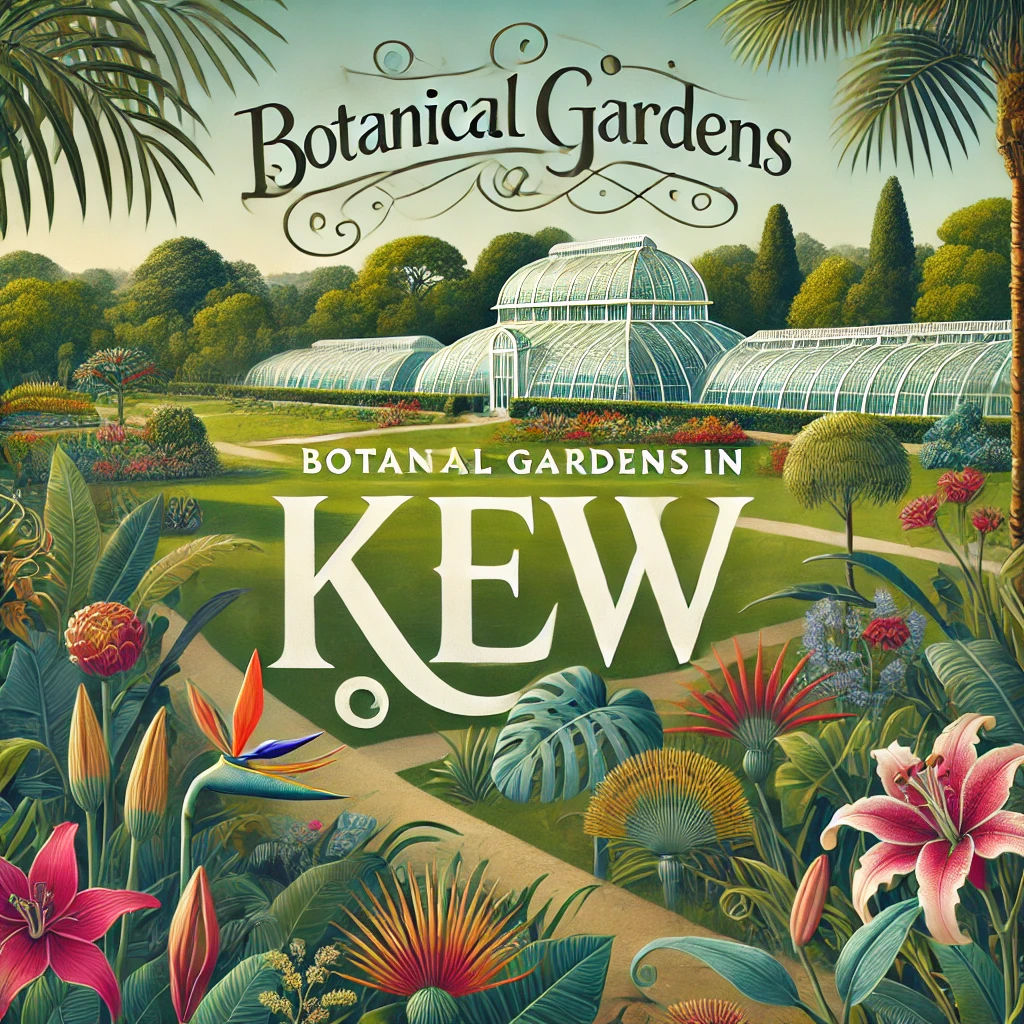
Exploring the Royal Botanical Gardens at Kew: A Natural Wonderland
The Royal Botanical Gardens at Kew, located in southwest London, is one of the most famous and breathtaking botanical gardens in the world. Recognized as a UNESCO World Heritage Site, Kew Gardens is home to over 50,000 living plants, historic glasshouses, and beautifully landscaped grounds that span 330 acres. Whether you’re a nature lover, a history enthusiast, or simply looking for a tranquil escape, Kew Gardens offers a stunning experience for all visitors. Here’s a complete guide to exploring the highlights of Kew Gardens.
1. The Palm House
Overview:
The Palm House is one of Kew’s most iconic structures and a masterpiece of Victorian glasshouse design. It houses an impressive collection of tropical plants from around the world.
- What to See:
- Exotic palms, banana trees, and towering tropical plants.
- A walk along the canopy walkway inside the glasshouse for a bird’s-eye view of the jungle-like interior.
- Rare plants, such as the double coconut palm, which produces the largest seed in the plant kingdom.
- Why It’s Special: The Palm House is often described as a “living rainforest,” and stepping inside feels like entering another world.
Tip: Visit early in the morning to avoid crowds and capture stunning photos of the lush greenery.
2. The Temperate House
Overview:
The Temperate House is the largest Victorian glasshouse in the world, covering 4,880 square meters and home to 10,000 plants. This stunning space celebrates flora from temperate regions across the globe.
- What to See:
- Plants from Africa, Asia, the Americas, and the Pacific Islands.
- Endangered species, like the rare Chilean wine palm and the extinct-in-the-wild Dombeya plant.
- The grand scale of the structure itself, a marvel of 19th-century engineering.
- Why It’s Special: The Temperate House showcases plants that thrive in cooler climates, offering a fascinating contrast to the Palm House.
Tip: Don’t miss the informative plaques detailing the conservation efforts behind many of the plants on display.
3. The Waterlily House
Overview:
The Waterlily House, located near the Palm House, is a smaller but equally enchanting glasshouse featuring aquatic plants.
- What to See:
- The giant Amazon waterlily (Victoria amazonica), whose leaves can grow up to 3 meters wide.
- Colorful waterlilies and other tropical aquatic plants.
- The humid, tranquil atmosphere that makes this house feel like a hidden gem.
- Why It’s Special: The Waterlily House offers a serene and intimate experience, perfect for quiet contemplation.
Tip: Visit during the summer when the waterlilies are in full bloom for the best visual experience.
4. The Treetop Walkway
Overview:
For a unique perspective of Kew Gardens, take to the Treetop Walkway, a 200-meter-long elevated path that sits 18 meters above ground level.
- What to See:
- Stunning views of the treetops, particularly beautiful in autumn when the leaves change color.
- The chance to observe birds, insects, and other wildlife at eye level.
- Panoramic vistas of Kew Gardens and its surrounding areas.
- Why It’s Special: Walking among the treetops is both peaceful and exhilarating, offering a fresh perspective of the gardens.
Tip: If you’re afraid of heights, stick to the sides of the walkway and take your time—it’s sturdy and safe!
5. The Princess of Wales Conservatory
Overview:
This modern glasshouse is divided into 10 different climatic zones, allowing visitors to explore diverse ecosystems under one roof.
- What to See:
- The desert zone featuring cacti and succulents.
- The tropical zone, home to orchids, ferns, and carnivorous plants like Venus flytraps.
- Seasonal displays, including orchids in spring and festive plants during the holidays.
- Why It’s Special: The Princess of Wales Conservatory highlights the incredible adaptability of plants to survive in extreme climates.
Tip: Check the schedule for guided tours, which often provide fascinating details about the plants and ecosystems on display.
6. The Great Pagoda
Overview:
Built in 1762, the Great Pagoda is an architectural wonder with 10 stories and striking dragon sculptures adorning its roof.
- What to See:
- The restored dragons, which were originally part of the pagoda’s design but removed in the 18th century.
- Sweeping views of Kew Gardens and London from the top (if you climb the 253 steps).
- Why It’s Special: The pagoda is a beautiful example of Chinoiserie architecture and offers one of the best viewpoints in the gardens.
Tip: The climb to the top can be steep, so wear comfortable shoes and take your time.
7. Kew Gardens’ Arboretum
Overview:
The arboretum is a vast collection of over 14,000 trees, making it one of the most diverse tree collections in the world.
- What to See:
- Majestic trees like the giant redwoods and ancient oaks.
- Seasonal highlights, such as cherry blossoms in spring or the fiery colors of maples in autumn.
- Peaceful trails perfect for a relaxing stroll or a family picnic.
- Why It’s Special: The arboretum is a haven of tranquility, showcasing the beauty and diversity of trees from around the world.
Tip: Don’t miss the Japanese Gateway (Chokushi-Mon), a beautiful traditional structure located within the arboretum.
8. The Hive
Overview:
The Hive is a unique installation that immerses visitors in the world of bees. This 17-meter-tall structure was inspired by the vital role bees play in pollination.
- What to See:
- LED lights and sounds that mimic the activity of real beehives.
- Information on the importance of pollinators to ecosystems and agriculture.
- Why It’s Special: The Hive is both an artistic and educational experience, designed to connect visitors to nature on a deeper level.
Tip: Visit on a sunny day when the real bees in the surrounding meadow are most active.
9. Seasonal Highlights and Events
Overview:
Kew Gardens offers something special in every season, with events and displays that enhance the visitor experience.
- Spring: Vibrant displays of tulips, cherry blossoms, and magnolias.
- Summer: The Rose Garden blooms in full, and open-air concerts take place in the evenings.
- Autumn: A showcase of rich colors as leaves turn golden and red.
- Winter: The magical Christmas at Kew light trail transforms the gardens into a winter wonderland.
Why It’s Special: Each season at Kew offers a unique way to experience the gardens, making every visit different.
Tip: Check the Kew Gardens website for details on seasonal events and book tickets in advance for popular activities like Christmas at Kew.
Final Thoughts
Kew Gardens is more than just a botanical garden—it’s a living museum, a place of scientific discovery, and a serene escape from the hustle and bustle of London. Whether you’re marveling at the towering trees of the arboretum, exploring tropical jungles in the Palm House, or immersing yourself in the buzzing world of bees at The Hive, every corner of Kew offers something extraordinary.
Explore more travel tips and guides at guides.
Добавить комментарий