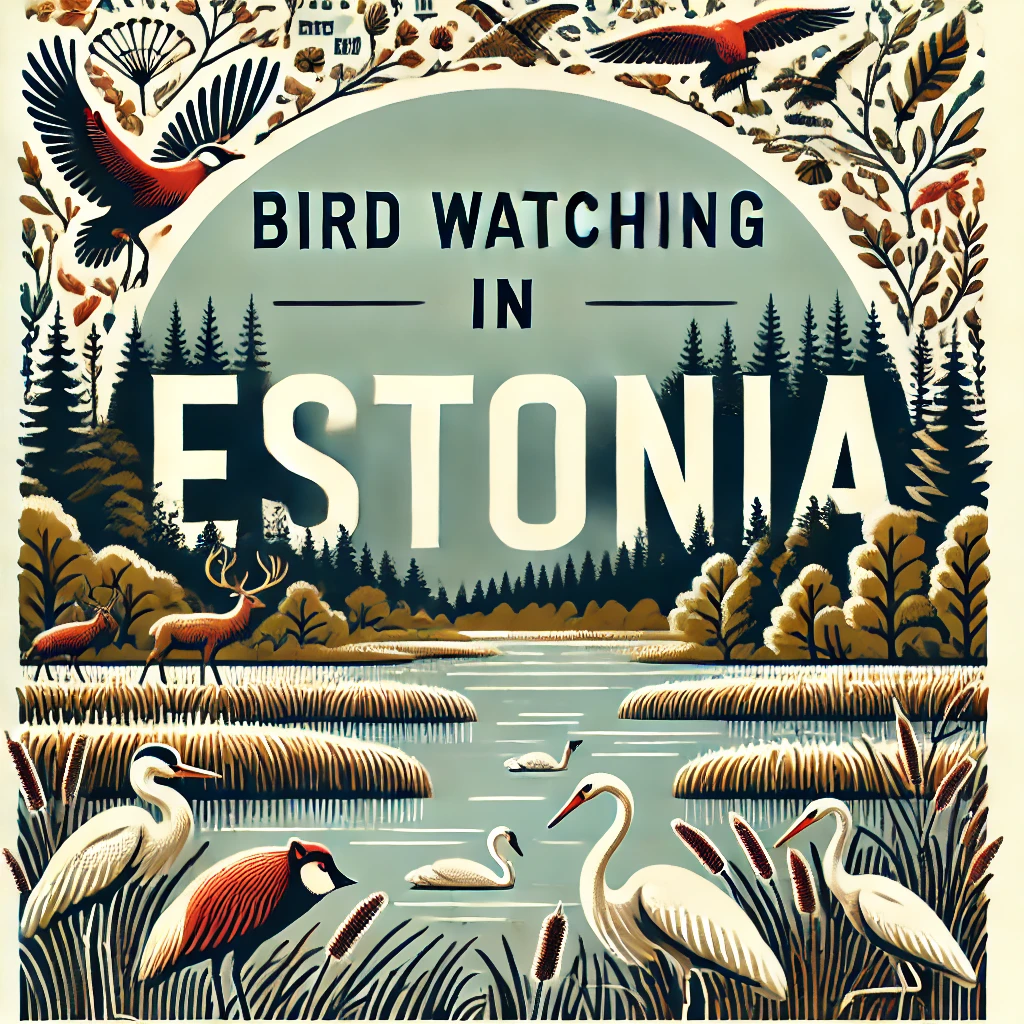
Bird Watching in Estonia: A Haven for Nature Lovers
Estonia, with its diverse landscapes of forests, wetlands, coastal areas, and islands, is a paradise for bird watchers. Despite its small size, the country is home to more than 380 bird species, making it one of Europe’s top birding destinations. Located along major migration routes, Estonia sees millions of migratory birds pass through each year, alongside resident species that thrive in its pristine habitats. Whether you’re a seasoned birder or a beginner, Estonia offers extraordinary opportunities to witness avian wonders. Here’s your guide to bird watching in Estonia.
1. Matsalu National Park: A Birding Hotspot
Overview:
Matsalu National Park, located in western Estonia, is one of Europe’s most renowned bird-watching areas. Spanning 48,610 hectares, the park includes floodplains, coastal meadows, reed beds, and Matsalu Bay.
Highlights:
- Spring and Autumn Migrations: Matsalu Bay is a key stopover point for millions of migratory birds, including geese, swans, cranes, and waders.
- Observation Towers: Climb birdwatching towers at Haeska, Keemu, and Kloostri for excellent views. The Haeska Tower is particularly famous for spotting up to 200 bird species in a single day.
- Breeding Species: The park is home to rare species like white-tailed eagles, black storks, and great bitterns.
Why It’s Special: Matsalu is often called a “birdwatcher’s paradise” due to its diverse habitats and incredible concentration of birds during migration seasons.
Tip: Visit in late April to early May for spring migration or September for autumn migration to see flocks of cranes.
2. Soomaa National Park: Wetland Bird Haven
Overview:
Known as the “Land of Five Seasons” due to its seasonal floods, Soomaa National Park features vast bogs, wetlands, and forests that attract a variety of bird species.
Highlights:
- Wetland Specialists: Look for species like the black grouse, common crane, and wood sandpiper.
- Forest Birds: Spot black storks, woodpeckers, and owls in the park’s wooded areas.
- Bog Walks: Boardwalk trails through bogs allow birdwatchers to access prime habitats without disturbing wildlife.
Why It’s Special: The pristine wilderness of Soomaa provides a unique opportunity to see birds in untouched natural settings.
Tip: Bring binoculars and visit at dawn to increase your chances of spotting elusive species like owls or black grouse.
3. Põõsaspea Peninsula: Seabird Migration Spectacle
Overview:
Põõsaspea Peninsula, at the northwestern tip of Estonia, is one of the best places in Europe to observe migrating seabirds. Its location on a narrow stretch of land makes it a perfect spot to witness birds traveling along the Baltic Sea.
Highlights:
- Seabird Migration: Thousands of long-tailed ducks, black scoters, common eiders, and velvet scoters pass through during migration.
- Rarities: Spot Arctic species like the Steller’s eider and red-throated diver in winter.
- Coastal Habitat: The shallow waters and rocky coastlines attract a mix of seabirds and waders.
Why It’s Special: Põõsaspea is one of the few places where you can see huge flocks of seabirds at such close range.
Tip: Visit early in the morning during spring (March to May) or autumn (September to November) for peak migration activity.
4. Alutaguse Forest: Home of Owls and Grouse
Overview:
The Alutaguse region in northeastern Estonia is a vast wilderness of forests, wetlands, and bogs, making it an excellent destination for spotting elusive woodland birds.
Highlights:
- Owl Watching: Alutaguse is one of the best places to see Ural owls, pygmy owls, and Tengmalm’s owls.
- Capercaillie and Black Grouse: These iconic forest birds are common during the breeding season in spring.
- Bogs and Wetlands: The region is also home to species like the willow ptarmigan and golden plover.
Why It’s Special: The quiet, remote nature of Alutaguse allows birdwatchers to enjoy Estonia’s wilderness while searching for rare forest species.
Tip: Join a guided birdwatching tour to increase your chances of finding owls and grouse, which are often tricky to spot on your own.
5. Saaremaa and Hiiumaa Islands: Island Birding
Overview:
The islands of Saaremaa and Hiiumaa in the Baltic Sea are popular for their diverse bird habitats, ranging from coastal wetlands to wooded areas.
Highlights:
- Migratory Birds: The islands are key stopover points for migratory species, including geese, swans, and ducks.
- Breeding Birds: Look for white-tailed eagles, black-headed gulls, and Caspian terns.
- Coastal Observation Points: Locations like Sääre Tirp (Saaremaa) and the Käina Bay bird sanctuary (Hiiumaa) offer excellent views.
Why It’s Special: The islands’ remote and tranquil settings provide a perfect escape for birdwatchers, combined with stunning landscapes and fresh sea air.
Tip: Rent a bike to explore the islands’ birdwatching spots at your own pace.
6. Lahemaa National Park: Coastal and Forest Birds
Overview:
Lahemaa National Park, located just an hour’s drive from Tallinn, is Estonia’s oldest national park and a great spot for birdwatching. Its mix of forests, wetlands, and coastal landscapes attracts a wide variety of bird species.
Highlights:
- Coastal Birds: Look for species like common terns, wigeons, and oystercatchers along the rocky shores.
- Forest Birds: Spot woodpeckers, crossbills, and nutcrackers in the park’s ancient woodlands.
- Käsmu Peninsula: A prime birdwatching area within the park, offering scenic views and diverse habitats.
Why It’s Special: Lahemaa combines easy accessibility with a rich variety of bird species and habitats, making it ideal for day trips.
Tip: Combine birdwatching with a visit to Lahemaa’s historic manor houses and charming fishing villages.
7. Endla Nature Reserve: A Hidden Gem
Overview:
Endla Nature Reserve, located in central Estonia, is a peaceful wetland area that’s home to a range of waterbirds and forest species.
Highlights:
- Cranes and Bitterns: The reserve’s wetlands are important habitats for these species, especially during migration.
- Observation Towers: Climb the towers for panoramic views of the wetlands and a better chance of spotting birds.
- Boardwalk Trails: Explore the bogs and marshes via well-maintained trails.
Why It’s Special: Endla offers a serene and less crowded birdwatching experience compared to more famous sites like Matsalu.
Tip: Bring insect repellent if visiting in the summer, as the wetlands can attract mosquitoes.
Best Time for Bird Watching in Estonia
- Spring (April to May): Witness the massive migration of geese, swans, and cranes returning to their breeding grounds.
- Autumn (September to October): Experience the reverse migration as millions of birds head south.
- Winter (December to February): Spot Arctic species like Steller’s eiders and long-tailed ducks in coastal areas.
Final Thoughts
Estonia’s unspoiled nature and strategic location along migration routes make it one of Europe’s top birdwatching destinations. From the wetlands of Matsalu to the remote forests of Alutaguse and the serene islands of Saaremaa and Hiiumaa, Estonia offers a wealth of opportunities to connect with nature and observe incredible birdlife. Whether you’re chasing rare species or simply enjoying the beauty of migratory flocks, Estonia promises an unforgettable birdwatching adventure.
Explore more travel tips and guides at guides.
Добавить комментарий