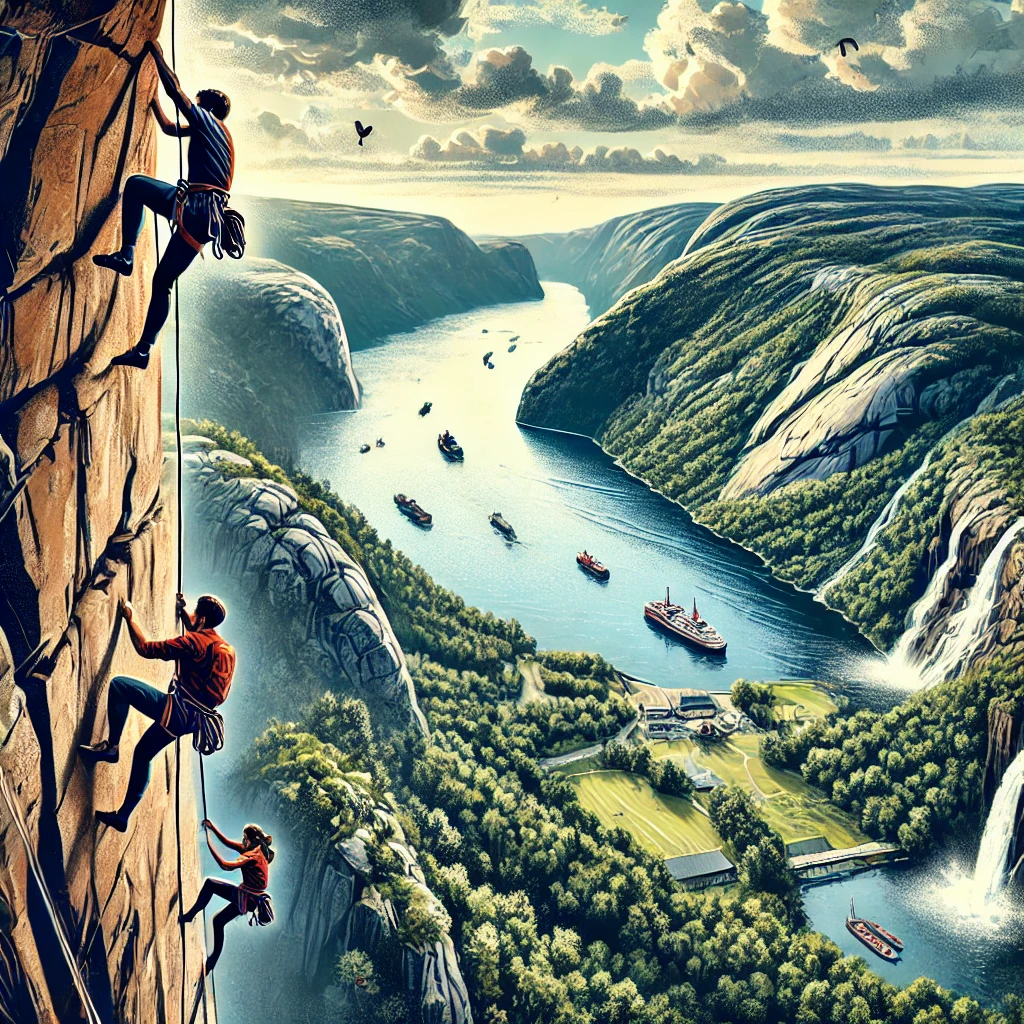
Rock Climbing in Norway
Norway, with its dramatic fjords, towering cliffs, and rugged landscapes, is a paradise for rock climbers. Whether you’re a seasoned climber seeking a challenge or a beginner looking to experience Norway’s unique terrain, the country offers some of the most stunning and varied climbing spots in the world. From world-famous climbing destinations like Kjerag and Lofoten to hidden gems and indoor facilities, Norway’s climbing scene is as breathtaking as the views. Here’s your ultimate guide to rock climbing in Norway.
1. Why Rock Climb in Norway?
- Spectacular Scenery: Norway’s landscapes are unmatched, with fjords, mountains, and dramatic cliffs offering stunning backdrops to your climbs.
- World-Class Climbing Spots: Home to iconic climbing destinations like Lofoten, Trollveggen (Troll Wall), and Kjerag.
- Varied Terrain: Norway offers everything from sport climbing and trad climbing to big wall adventures and bouldering.
- Long Climbing Season: Thanks to its varied geography, climbing in Norway is possible year-round, depending on the location and type of climbing.
2. Top Rock Climbing Destinations in Norway
a. Lofoten Islands
- Why It’s Great: A climber’s dream destination, Lofoten is known for its granite walls, scenic views, and midnight sun during the summer.
- Highlights:
- Svolvær Goat (Svolværgeita): A classic climb with breathtaking views over the archipelago.
- Presten (The Priest): One of Norway’s most famous trad climbing routes, with 400 meters of pure granite climbing.
- Best For: Trad climbers, multi-pitch enthusiasts, and those looking for a mix of climbing and scenic exploration.
b. Trollveggen (Troll Wall)
- Why It’s Great: Europe’s tallest vertical rock face (1,100 meters), Trollveggen is a legendary big wall climbing destination.
- Highlights:
- One of the toughest and most demanding climbing spots in Norway.
- Requires advanced skills, with routes suited for experienced climbers only.
- Best For: Big wall climbers seeking a world-class challenge.
c. Kjerag
- Why It’s Great: Located in the Lysefjord, Kjerag is famous for the Kjeragbolten, a boulder wedged between two cliffs, and its stunning granite walls.
- Highlights:
- Multi-pitch trad routes with breathtaking views of the fjord below.
- Nearby hiking trails and base jumping opportunities.
- Best For: Trad climbers looking for long routes with epic scenery.
d. Flatanger Cave
- Why It’s Great: A world-famous destination for sport climbing, Flatanger is known for its overhanging cave and extremely difficult routes.
- Highlights:
- Silence (9c): The world’s first 9c route, established by Adam Ondra in 2017.
- Numerous routes for intermediate and advanced climbers.
- Best For: Sport climbers seeking challenging overhanging routes.
e. Setesdal Valley
- Why It’s Great: A quieter climbing destination offering trad and sport climbing in a beautiful valley setting.
- Highlights:
- Granite cliffs with routes ranging from beginner-friendly to advanced.
- Perfect for those seeking a less crowded climbing experience.
- Best For: Climbers of all levels, especially those looking for a peaceful environment.
f. Romsdalen Valley
- Why It’s Great: Known as the cradle of Norwegian climbing, Romsdalen offers everything from big wall climbing to shorter trad routes.
- Highlights:
- Store Trolltind: A massive peak with challenging routes.
- Views of the famous Rauma Railway and surrounding mountains.
- Best For: Experienced climbers seeking variety and iconic routes.
g. Bohuslän (Close to Oslo)
- Why It’s Great: Just across the Swedish border, this granite climbing area is a favorite among climbers in southern Norway.
- Highlights:
- Smooth granite cracks ideal for trad climbing.
- Accessible for beginners and experts alike.
- Best For: Climbers based in Oslo or southern Norway.
3. Climbing Seasons in Norway
- Summer (June–August): Best for climbing in places like Lofoten, Kjerag, and Romsdalen. The midnight sun allows for long climbing days.
- Spring/Autumn (April–May and September–October): Great for milder weather and fewer crowds. Ideal for areas like Flatanger and Setesdal.
- Winter (November–March): Ice climbing becomes popular in places like Rjukan and northern Norway.
4. Ice Climbing in Norway
If you’re visiting in winter, Norway transforms into an ice-climbing paradise.
- Rjukan: Known as Norway’s ice-climbing capital, with over 200 frozen waterfalls.
- Hemsedal: Offers stunning ice routes for climbers of all skill levels.
- Lyngen Alps: Perfect for advanced ice climbers seeking adventure in the Arctic.
5. Climbing for Beginners
If you’re new to climbing or want to improve your skills, Norway has plenty of options:
- Guided Tours: Many regions, like Lofoten and Romsdalen, offer guided climbing experiences for beginners.
- Indoor Climbing Gyms: Cities like Oslo, Bergen, and Trondheim have excellent climbing gyms where you can learn the basics before heading outdoors.
- Examples: Oslo Klatresenter and Bergen Klatreklubb.
6. Safety Tips for Climbing in Norway
- Check Weather Conditions: Norway’s weather can change rapidly, so always check the forecast before climbing.
- Know Your Limits: Some climbing areas, like Trollveggen, are for experienced climbers only.
- Bring Proper Gear: Many climbing spots are remote, so ensure you have the right equipment, including ropes, helmets, and proper footwear.
- Hire a Guide: For challenging areas or beginners, hiring a local guide ensures safety and helps you get the most out of your climb.
- Respect Nature: Norway’s landscapes are pristine. Follow Leave No Trace principles and avoid damaging the environment.
7. Other Outdoor Activities for Climbers
If you want to take a break from climbing, Norway offers plenty of outdoor adventures:
- Hiking: Trails like Pulpit Rock (Preikestolen) and Besseggen Ridge are iconic.
- Kayaking: Explore Norway’s fjords from the water.
- Camping: Norway’s «Right to Roam» law (Allemannsretten) allows for wild camping in most areas.
Final Thoughts
Rock climbing in Norway is an unforgettable experience that combines adrenaline-pumping adventure with jaw-dropping scenery. From the granite walls of Lofoten to the overhanging caves of Flatanger, Norway has something for climbers of all levels. Whether you’re scaling Europe’s tallest vertical cliff or enjoying a beginner-friendly climb in a picturesque valley, Norway’s climbing spots are sure to leave you inspired.
For more adventure guides, check out helpful guides to plan your ultimate rock climbing trip in Norway.
Добавить комментарий