Why Is Internet Speed So Inconsistent in the US?
Internet speed inconsistency is a common complaint among users in the United States. Despite being home to some of the largest tech companies, the US often lags in providing stable and fast internet to all its residents. Let’s explore the reasons behind this issue.
1. Infrastructure Gaps
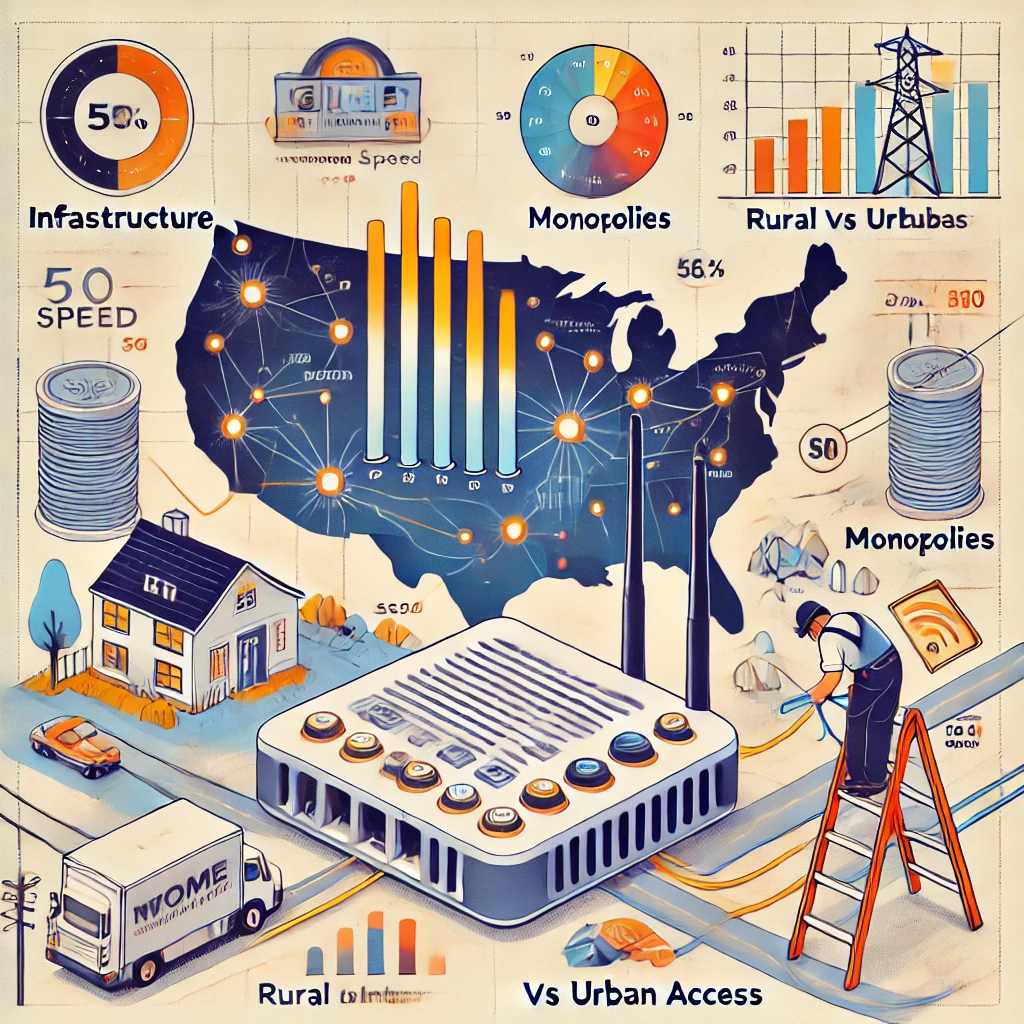
One of the primary reasons for inconsistent internet speed is the uneven distribution of infrastructure. While urban areas often have access to fiber-optic networks offering high-speed internet, rural and remote regions still rely on outdated technologies like DSL or satellite connections. This disparity creates a digital divide, with rural residents experiencing slower and less reliable internet.
2. Lack of Competition
In many parts of the US, internet service providers (ISPs) operate in monopolistic or duopolistic conditions, meaning consumers have few options. Limited competition reduces the incentive for ISPs to improve service quality or upgrade infrastructure. As a result, internet speeds can vary significantly between providers and regions.
3. Aging Technology
The US relies heavily on older technologies, such as copper wiring, which were initially designed for telephone lines rather than high-speed internet. While fiber-optic networks provide faster and more consistent speeds, their rollout has been slow and expensive. Many areas still rely on infrastructure that struggles to handle modern internet demands.
4. High Network Congestion
Internet speeds can fluctuate depending on the time of day due to network congestion. During peak hours, such as evenings when more people are streaming, gaming, or working online, speeds can slow down significantly. This issue is especially noticeable in areas where ISPs oversubscribe their networks without upgrading capacity.
5. Data Caps and Throttling
Some ISPs impose data caps or throttle speeds after users exceed a certain data limit. Throttling can create inconsistent internet speeds, as users experience a sudden slowdown despite paying for high-speed plans. This practice is often controversial, as it limits consumers’ ability to use their internet freely.
6. Geographic Challenges
The vast size and diverse geography of the US make it challenging to deliver consistent internet speeds. Building infrastructure in rural or mountainous areas requires significant investment, and ISPs may be unwilling to spend money in areas with low population density.
7. Regulatory Environment
The regulatory environment in the US allows ISPs considerable leeway in setting prices and determining service quality. The lack of strict requirements for minimum speeds or infrastructure improvements contributes to inconsistencies in service.
8. Weather and Natural Disruptions
Extreme weather events, such as storms, wildfires, or hurricanes, can damage internet infrastructure and cause temporary inconsistencies in speed and availability. Additionally, older networks are more vulnerable to environmental disruptions.
Conclusion
Inconsistent internet speeds in the US stem from a combination of outdated infrastructure, lack of competition, geographic challenges, and network congestion. While some regions enjoy high-speed connections, others are left with unreliable service. Expanding fiber-optic networks, increasing competition, and enforcing stricter regulations could help improve the situation in the future.
For more tips on improving your photography and editing skills, check out helpful guides to take your selfies to the next level.
Добавить комментарий