`
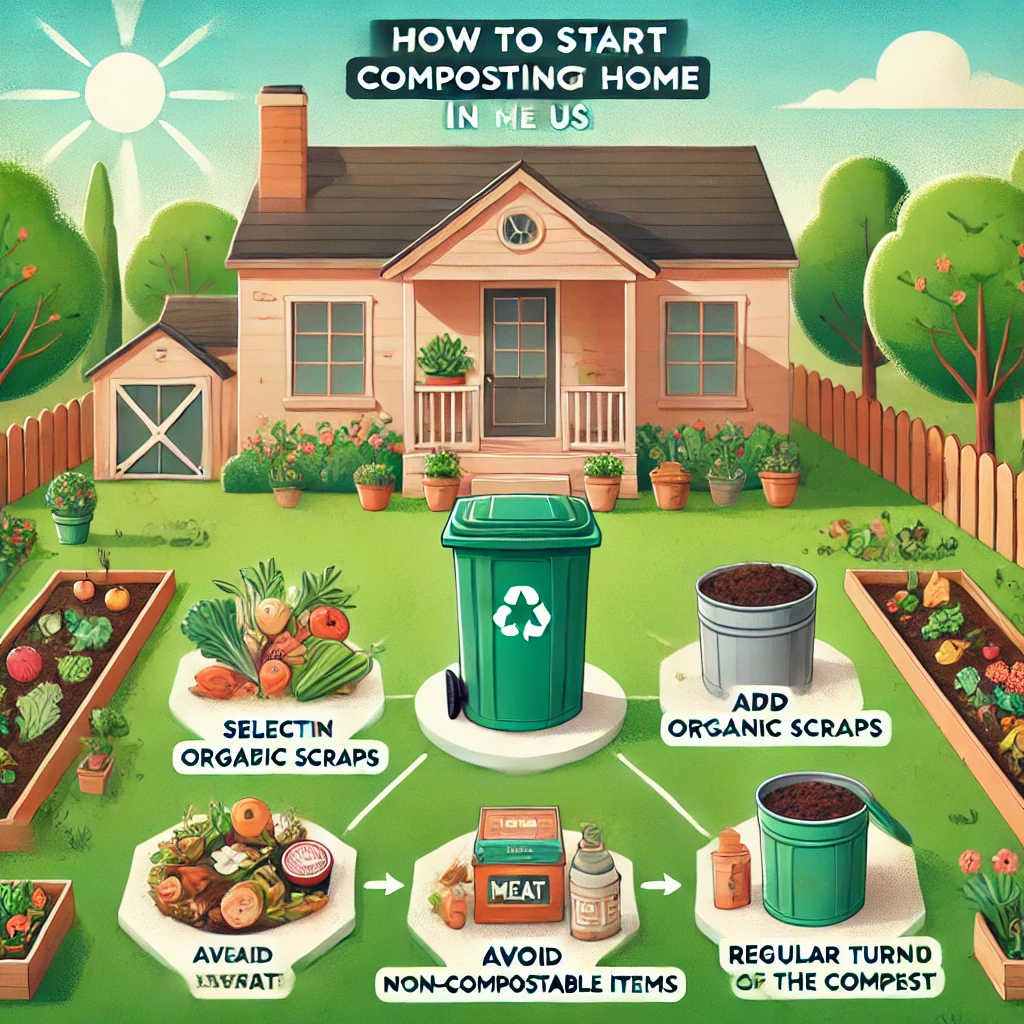
How to Start Composting at Home in the US
Composting is an excellent way to reduce waste, improve soil quality, and contribute to a healthier planet. With a few simple steps, you can turn your kitchen scraps and yard waste into nutrient-rich compost for your garden or plants. Whether you live in a house with a backyard or an apartment with limited space, composting at home in the US is easier than you might think. Let’s dive into how you can get started.
1. Choose the Right Composting Method
The first step is to decide which composting method works best for your living situation. Here are a few popular options:
- Backyard Composting: Ideal for those with outdoor space. You can use a compost bin, pile, or tumbler to create and store your compost.
- Vermicomposting: Perfect for small spaces like apartments. This method uses worms (usually red wigglers) to break down organic waste in a controlled container.
- Compost Pickup Services: Many US cities now offer compost pickup programs where you collect your scraps in a bin, and they take care of the composting for you.
2. Set Up Your Composting Area
If you’re composting at home, pick a suitable location for your compost bin or pile. For backyard composting, choose a shady, well-drained spot with easy access. If you’re vermicomposting indoors, make sure your bin is kept in a cool, dark area like a pantry or under the sink.
3. Know What You Can and Cannot Compost
To create high-quality compost, it’s important to balance your “greens” and “browns”:
- Greens (Nitrogen-rich materials): Fruit and vegetable scraps, coffee grounds, tea bags, and grass clippings.
- Browns (Carbon-rich materials): Dry leaves, cardboard, shredded newspaper, and sawdust.
Avoid composting meat, dairy, oily foods, pet waste, and any non-biodegradable materials, as these can attract pests and create unpleasant odors.
4. Maintain the Right Balance
The key to successful composting is maintaining the proper ratio of greens to browns. A good rule of thumb is to use about three parts browns to one part greens. This balance ensures that your compost breaks down efficiently and doesn’t emit foul odors.
5. Turn and Aerate the Pile
To speed up the composting process, it’s important to aerate your compost by turning it regularly. Use a pitchfork, shovel, or compost aerator to mix the materials every few weeks. This helps introduce oxygen, which is essential for the microorganisms that break down the organic matter.
6. Monitor Moisture Levels
Your compost should be moist, but not soggy—think of the texture of a wrung-out sponge. If it’s too dry, add more greens or a bit of water. If it’s too wet, add more browns to absorb the excess moisture.
7. Harvest and Use Your Compost
Depending on the method and conditions, it can take anywhere from a few weeks to several months for your compost to be ready. Finished compost will be dark, crumbly, and smell like fresh earth. Use it to enrich garden soil, potting mixes, or even as a top layer for your houseplants.
Conclusion
Starting a composting system at home is a rewarding way to reduce your environmental footprint while creating nutrient-rich compost for your plants. With a little planning and effort, you can turn your food scraps and yard waste into a valuable resource for your home or community.
For more tips on sustainable living and composting, check out helpful guides to elevate your eco-friendly lifestyle.
Добавить комментарий