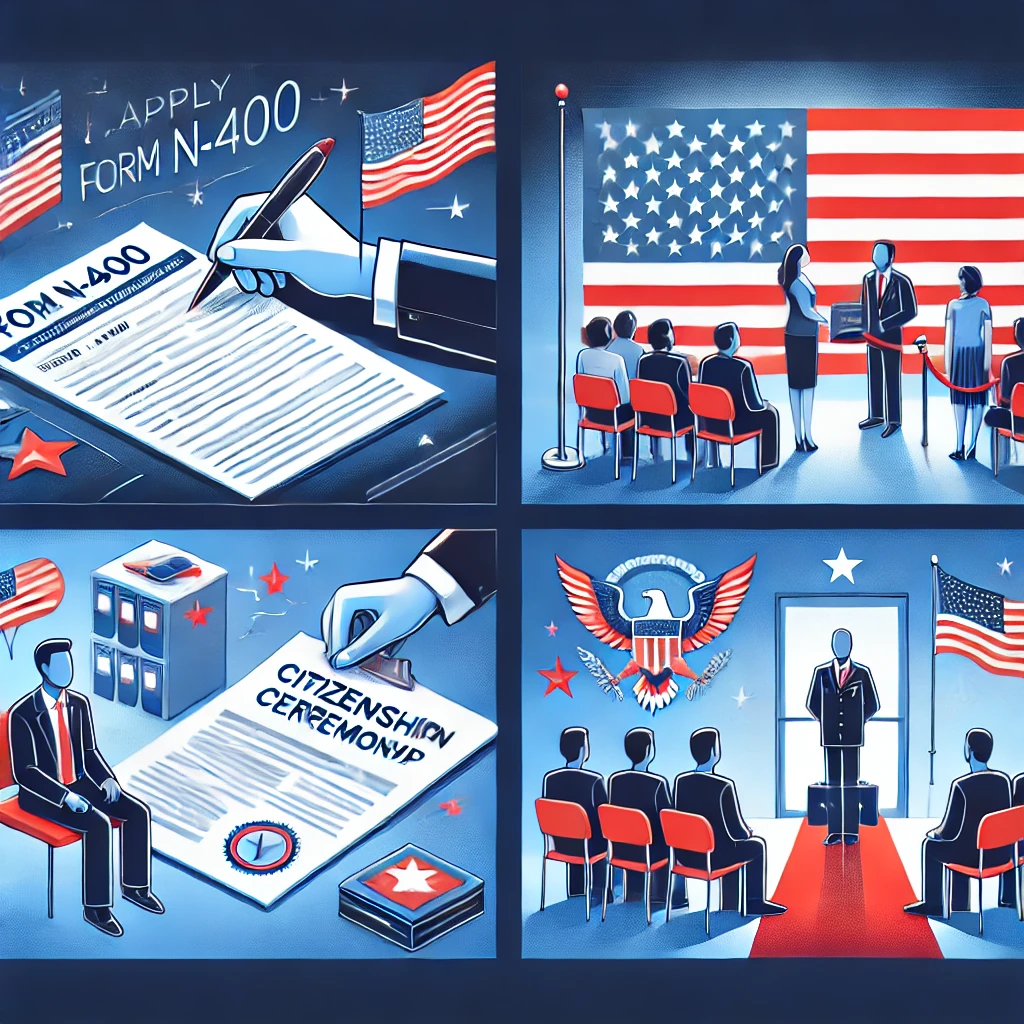
How to Apply for US Citizenship
Becoming a US citizen is an important milestone that comes with many rights and responsibilities, including the right to vote, apply for federal jobs, and travel with a US passport. The process of applying for US citizenship is known as naturalization, and while it can seem complex, breaking it down into clear steps can make it more manageable. Here’s a step-by-step guide on how to apply for US citizenship.
1. Determine Your Eligibility
Before applying, you must meet certain eligibility requirements:
General Requirements:
- Permanent Residency: You must have been a lawful permanent resident (green card holder) for at least:
- 5 years, or
- 3 years if you are married to a US citizen and meet other requirements.
- Physical Presence: You must have been physically present in the US for at least:
- 30 months out of the last 5 years, or
- 18 months out of the last 3 years for spouses of US citizens.
- Continuous Residence: You must have continuously lived in the US during the required period.
- Good Moral Character: Demonstrate good moral character, which includes obeying laws and paying taxes.
- English and Civics Knowledge: Pass tests on English language proficiency and US history and government (exceptions may apply for older applicants or those with disabilities).
Tip: Use the USCIS Naturalization Eligibility Tool to confirm your eligibility.
2. Complete Form N-400 (Application for Naturalization)
The next step is to fill out Form N-400, the official application for naturalization.
How to Complete the Form:
- Online Submission: Create an account on the USCIS website and submit Form N-400 electronically.
- Paper Submission: Download and print Form N-400, complete it, and mail it to the appropriate address listed on the form instructions.
- Details Required:
- Personal information (e.g., name, address, date of birth).
- Employment and travel history.
- Information about your spouse and children.
- Criminal record (if applicable).
Fee: The filing fee is $640, plus an $85 biometric services fee, for a total of $725 (as of 2025). Fee waivers may be available for eligible applicants.
3. Submit Supporting Documents
When you file Form N-400, you’ll need to include supporting documents to verify your eligibility.
Required Documents (Varies by Case):
- Permanent Resident Card (Green Card): A copy (front and back).
- Marriage Certificate: If applying based on marriage to a US citizen.
- Evidence of Spouse’s Citizenship: A copy of your spouse’s birth certificate, naturalization certificate, or US passport.
- Travel Records: If you’ve traveled outside the US, include dates and destinations.
- Tax Records: Evidence that you’ve filed taxes, especially if applying under the 3-year rule.
- Military Service Records: If applicable.
Tip: Review the N-400 instructions carefully to ensure you submit all required documents. Missing information can delay your application.
4. Attend a Biometrics Appointment
Once USCIS receives your application, they will schedule a biometrics appointment to collect your fingerprints, photograph, and signature.
What to Expect:
- Appointment Notice: You’ll receive a notice with the date, time, and location of your biometrics appointment (usually at a USCIS Application Support Center).
- Bring:
- Appointment notice.
- A valid photo ID (e.g., driver’s license or green card).
- Process: USCIS will use your biometric data to perform a background check.
Why It Matters: Your biometrics are required to ensure there are no criminal or security-related concerns that could impact your application.
5. Prepare for the Citizenship Test and Interview
The naturalization process includes an in-person interview with a USCIS officer and a citizenship test.
The Interview:
- Purpose: The officer will review your application and ask questions to verify your information. Be prepared to discuss:
- Your background.
- Residency and travel history.
- Your understanding of US laws and responsibilities.
- Documents to Bring:
- Green card.
- State-issued ID.
- Any updated evidence (e.g., if your marital status has changed).
The Citizenship Test:
- English Test: Includes reading, writing, and speaking sections.
- Civics Test: You’ll be asked up to 10 questions about US history and government. You need to answer 6 correctly to pass.
- Example questions:
- “Who was the first President of the United States?”
- “What are the three branches of government?”
- Example questions:
- Study Resources: USCIS provides study guides, flashcards, and practice tests here.
Tip: Study ahead of time and practice answering questions in English.
6. Receive a Decision from USCIS
After your interview and test, USCIS will notify you of their decision.
Possible Outcomes:
- Approval: If everything is in order, your application will be approved.
- Continuation: USCIS may request additional documents or schedule a follow-up interview if more information is needed.
- Denial: If your application is denied, USCIS will provide an explanation and guidance on whether you can appeal or reapply.
Timeline: You’ll typically receive a decision within a few weeks after your interview.
7. Take the Oath of Allegiance
The final step in the naturalization process is attending an Oath of Allegiance Ceremony to officially become a US citizen.
What to Expect:
- Oath Ceremony Notice: USCIS will send you a letter with the date, time, and location of your ceremony.
- Bring:
- Green card.
- Oath ceremony notice.
- Oath of Allegiance: You’ll take a pledge to uphold the Constitution and laws of the United States.
Certificate of Naturalization:
- After taking the oath, you’ll receive your Certificate of Naturalization, which serves as proof of your US citizenship.
Tip: Check the certificate for accuracy before leaving the ceremony.
8. Post-Naturalization Steps
Once you’re a US citizen, there are additional steps to complete:
- Apply for a US Passport: Use your Certificate of Naturalization to apply for a passport.
- Register to Vote: As a citizen, you gain the right to vote in federal, state, and local elections.
- Update Social Security Records: Notify the Social Security Administration of your new status.
Why It Matters: These steps ensure you can fully exercise your rights and responsibilities as a US citizen.
Final Thoughts
Applying for US citizenship is a rewarding process that requires careful preparation and attention to detail. By understanding the requirements, completing Form N-400 accurately, and preparing for your interview and test, you can confidently navigate the naturalization process. Becoming a US citizen is a significant accomplishment that opens up new opportunities and responsibilities.
For more tips on improving your photography and editing skills, check out helpful guides to take your selfies to the next level.
Добавить комментарий