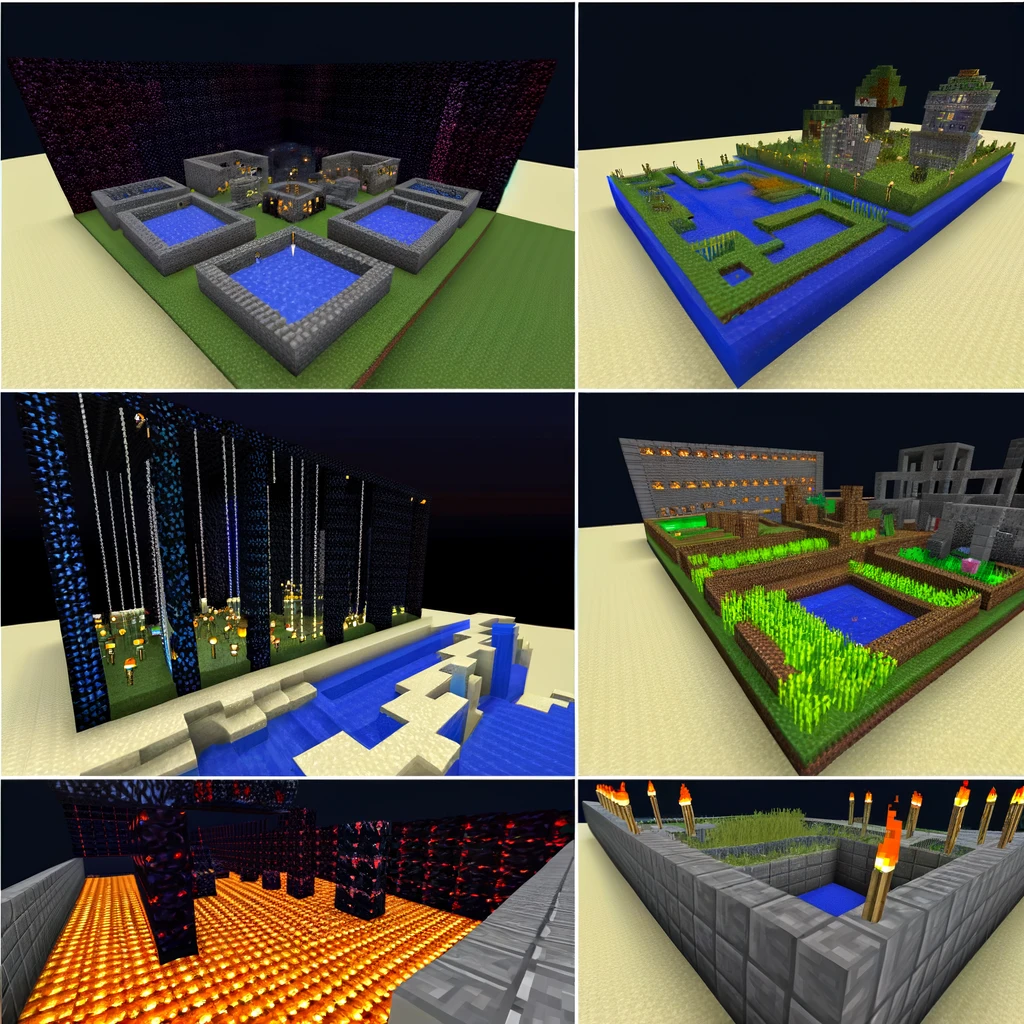
The Art of Mob Farming in Minecraft: A Comprehensive Guide
Welcome to the fascinating world of Minecraft mob farming, where the dark and dangerous aspects of the game transform into resources and experience points. Whether you’re a seasoned miner or a fresh-faced explorer, understanding the ins and outs of mob farming can turn your Minecraft experience from survival struggle to thriving success. So, let’s light up our torches (figuratively, of course) and dive deep into this blocky bonanza.
Understanding Mob Farms: What Are They and Why Build Them?
At its core, a mob farm in Minecraft is an engineered structure designed to spawn, gather, and eliminate mobs (the game’s creatures) automatically or with minimal effort, providing the player with the drops and experience points they produce. But why go through the trouble? Here are a few compelling reasons:
- Resources: Mob farms provide a steady supply of items like bones, arrows, string, and gunpowder.
- Experience Points: They are excellent sources of XP, crucial for enchanting and repairing items.
- Safety: Farming mobs in a controlled environment is far safer than nighttime expeditions or cave spelunking.
Laying the Groundwork: Types of Mob Farms
Before we start building, it’s important to understand the types of mob farms:
- Spawner-Based Farms: Utilize natural mob spawners found in dungeons. These are more straightforward but location-dependent.
- Dark Room Farms: Rely on creating dark spaces for mobs to spawn naturally. They’re more versatile but typically larger and more complex.
- Trap Farms: Use natural spawning mechanics but in specific biomes or conditions, like a witch hut or a nether fortress.
Blueprints for Success: Building Your First Mob Farm
Building an effective mob farm might seem daunting, but with these steps, you’ll be reaping the rewards in no time:
1. Choose Your Type and Location
Decide on the type of farm you want and choose an appropriate location. Remember, spawner-based farms need to be near a dungeon, while dark room farms require a large, dark space.
2. Constructing the Spawning Area
For a basic dark room farm:
- Build a large, enclosed, dark space (at least two blocks high).
- Create multiple platforms within the space to increase the spawnable area.
- Ensure the entire area is mob-proofed (no light sources inside, and all spawnable surfaces covered).
3. Channeling the Mobs
Now that you have a spawning area, you need to move the mobs to a central location for collection:
- Use water currents, drop chutes, or other methods to funnel the mobs from their spawning platforms to your collection point.
- Ensure that this system pushes all mobs efficiently without any escape routes.
4. The Killing Mechanism
Decide on how you want to deal with the mobs:
- For an automatic farm, use environmental damage (like fall damage, lava, or suffocation) to weaken or kill the mobs.
- For a manual farm, create a holding area where mobs can be easily and safely killed by the player.
5. Collection System
Set up hoppers, minecart systems, or simply a designated area to collect dropped items and funnel them into chests.
6. Finishing Touches
Add any final details for efficiency and safety:
- Ensure your farm is well-lit from the outside to prevent external spawns.
- Build easy access to your collection point.
- Consider adding an on/off switch using light for certain farm types to control spawning.
Common Mob Farms and Their Uses
Here are some common types of mob farms and what they’re good for:
- Skeleton/Zombie Farm (Spawner-Based): Great for arrows, bones, armor, and XP.
- Spider Farm (Spawner-Based): Ideal for strings and spider eyes.
- Enderman Farm (End-Based): Excellent for ender pearls and XP.
- Creeper Farm (Dark Room): The best way to stock up on gunpowder for fireworks and TNT.
Pro Tips for Pro Farmers
- Height Matters: Building your farm high in the air or deep underground can increase efficiency by reducing outside mob spawns.
- Safety First: Always ensure your farm has safe access points and is well-lit to avoid unexpected surprises.
- Optimization: Over time, tweak your farm for maximum efficiency. Small changes can lead to big results.
Ethical Considerations and Sustainability
Believe it or not, even in the pixelated realm of Minecraft, ethical considerations exist. While mob farming is a part of the game, it’s important to think about the sustainability of your farming practices. Avoid overbuilding and overharvesting, and remember, a good miner respects their environment, digital or not.
Reaping the Rewards: Enjoy Your Loot!
With your mob farm up and running, sit back and watch the fruits of your labor (or should we say, the spoils of your skirmishes) accumulate. Not only have you engineered a marvel of Minecraft efficiency, but you’ve also secured a steady stream of resources and experience points to bolster your adventures.
In the grand tapestry of Minecraft, where creativity and survival intertwine, mob farming stands out as a testament to human ingenuity (albeit in a world of blocks and pixels). So here’s to you, the architect of doom for Minecraft mobs, the master of the mechanical harvest. May your chests always be full, and your enchantments powerful. Happy farming!
Добавить комментарий