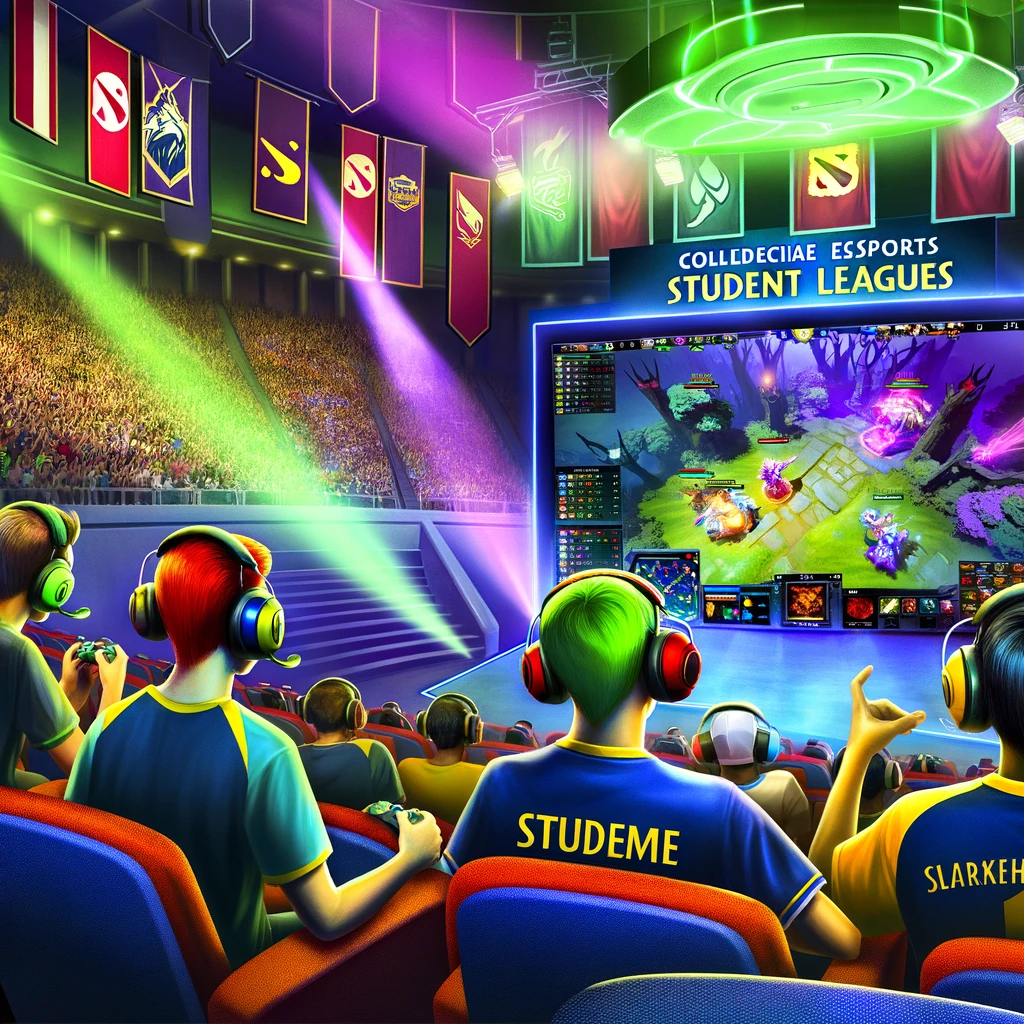
Dota 2 student leagues and collegiate esports have gained significant traction over the years, offering students the opportunity to engage competitively in one of the world’s most popular MOBAs while pursuing their academic goals. These leagues provide a structured environment where students can develop teamwork, strategic thinking, and leadership skills. Here’s an overview of how Dota 2 fits into the realm of student leagues and collegiate esports:
Structure of Student Leagues
- University-Sponsored Teams: Some universities officially recognize esports teams as part of their athletic programs, providing support in the form of coaching, facilities, and scholarships.
- Independent Collegiate Leagues: There are also independent leagues and tournaments where student teams can compete against one another. These might not be officially affiliated with the universities but often operate with the institution’s knowledge and sometimes support.
Benefits of Participation
- Skill Development: Beyond improving at Dota 2, players develop critical soft skills such as communication, teamwork, and problem-solving.
- Scholarship Opportunities: A growing number of institutions offer esports scholarships, recognizing the dedication and skill required to compete at high levels.
- Career Pathways: Participation can open doors to careers in esports, including professional play, coaching, content creation, and roles in team management or game development.
Notable Student Leagues and Tournaments
- Collegiate Starleague (CSL): One of the largest collegiate esports leagues in North America, offering competition across multiple games, including Dota 2.
- University Esports Masters (UEM): A European initiative that includes Dota 2 among its competitive titles, bringing together university teams from across the continent.
- National Association of Collegiate Esports (NACE): While more known for its involvement in other esports titles, NACE represents a significant movement towards the institutionalization of collegiate esports, including Dota 2 where applicable.
Starting or Joining a Dota 2 Team at Your University
- Club Creation: If your university doesn’t have a Dota 2 or esports club, consider starting one. This often involves gathering interested players, registering the club with university student organizations, and finding faculty support.
- Recruitment and Tryouts: Use university forums, social media, and bulletin boards to recruit players. Holding tryouts can help gauge skill levels and commitment.
- Practice and Training: Regular practices and reviewing game footage can help improve team cohesion and performance. Consider reaching out to experienced players or coaches for guidance.
Challenges and Considerations
- Balancing Commitments: It’s crucial to balance esports commitments with academic responsibilities. Time management skills are essential for student-athletes.
- Building a Supportive Environment: Creating a positive, inclusive team culture is vital for success. This includes managing conflicts, supporting player well-being, and fostering mutual respect among team members.
Future of Dota 2 in Collegiate Esports
- Growing Recognition: As esports continue to grow in popularity and commercial success, more universities are likely to recognize and support Dota 2 and other esports programs.
- Professional Opportunities: The pathway from collegiate play to professional esports is becoming more defined, with scouts and organizations keeping an eye on university leagues for emerging talent.
Dota 2 student leagues represent a merging of competitive gaming and academic pursuits, providing a platform for students to pursue their passion for Dota 2 within a collegiate setting. Whether through officially sanctioned programs or independent leagues, student players have ample opportunities to showcase their talents, develop valuable life skills, and potentially kickstart careers in the esports industry.
Добавить комментарий