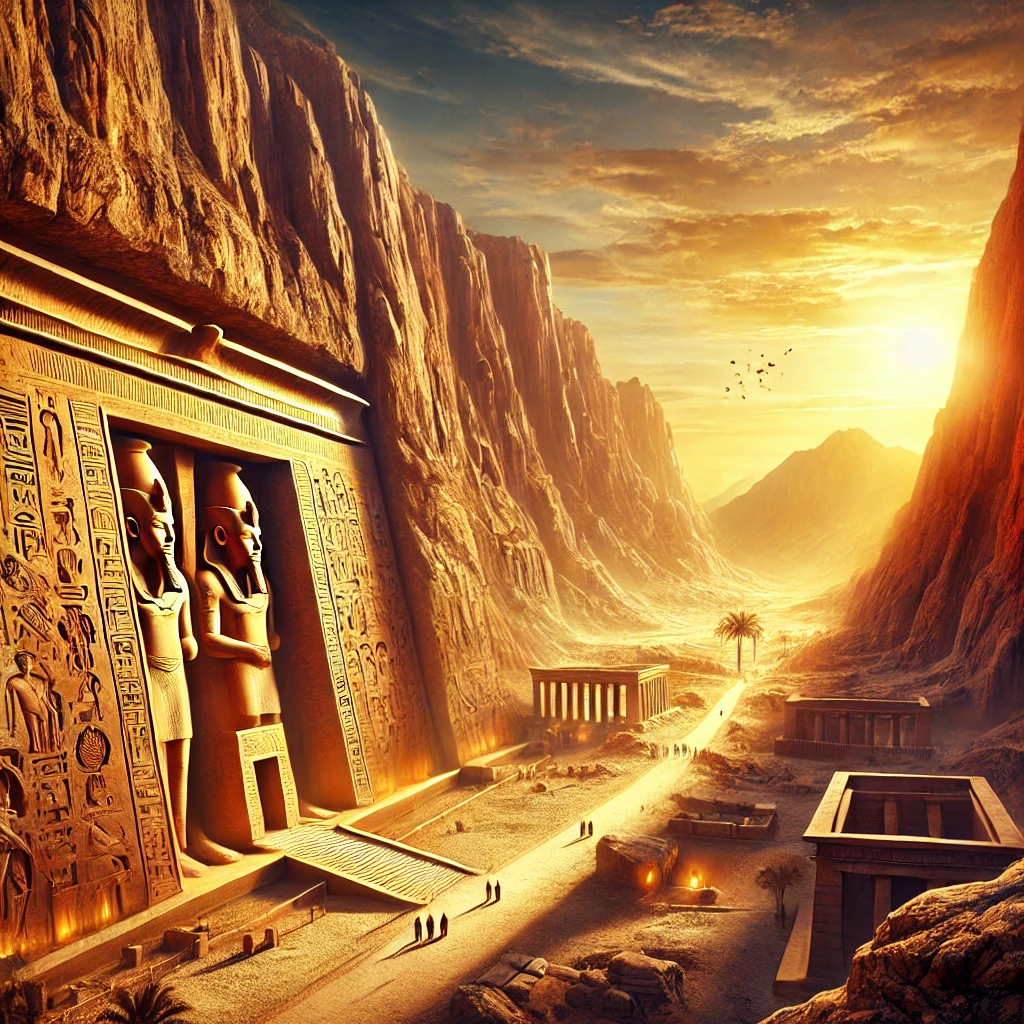
The Valley of the Kings in Egypt
The Valley of the Kings, one of Egypt’s most iconic archaeological sites, is a vast necropolis that served as the final resting place for pharaohs of the New Kingdom (16th–11th century BCE). Hidden in the desert cliffs on the west bank of the Nile near Luxor, this valley is home to over 60 tombs, including the famous tomb of Tutankhamun. Here’s a deeper look into this legendary burial site.
1. History and Significance
For nearly 500 years, the Valley of the Kings was the royal burial site for Egypt’s most powerful rulers. Unlike the pyramids of earlier dynasties, these tombs were carved into the rock to protect them from grave robbers. Despite these precautions, many tombs were looted in ancient times, but the discovery of Tutankhamun’s tomb in 1922 provided an extraordinary glimpse into the wealth and burial practices of the pharaohs.
2. Famous Tombs in the Valley
While there are over 60 tombs in the valley, a few stand out for their grandeur and historical importance:
- Tomb of Tutankhamun (KV62) – Discovered by Howard Carter, this is the most famous tomb, containing the boy king’s golden burial mask and treasures.
- Tomb of Ramses VI (KV9) – Features intricate wall carvings and celestial artwork depicting the afterlife.
- Tomb of Seti I (KV17) – One of the longest and most beautifully decorated tombs, with well-preserved reliefs.
- Tomb of Hatshepsut (KV20) – Belonging to Egypt’s famous female pharaoh, this tomb is one of the oldest in the valley.
3. Architecture and Artwork
The tombs in the Valley of the Kings are masterpieces of ancient Egyptian art and engineering.
- Corridors and Burial Chambers: Carved deep into the rock, these tombs contain passageways leading to elaborately decorated burial chambers.
- Wall Paintings: Scenes depict the Book of the Dead, showing the pharaoh’s journey through the afterlife.
- Hieroglyphic Inscriptions: Prayers, spells, and sacred texts were carved onto the walls to ensure a safe passage to eternity.
4. Modern Discoveries and Preservation
Archaeologists continue to explore the valley, uncovering new tombs and hidden chambers using advanced scanning technology. Preservation efforts focus on protecting the fragile artwork from humidity and tourism. Some tombs now have replica versions open to visitors to reduce damage to the originals.
5. Visiting the Valley of the Kings
- Location: Near Luxor, accessible by boat or car.
- Best Time to Visit: October–April, when temperatures are cooler.
- Entry Fees: Standard tickets allow access to three tombs, with extra fees for Tutankhamun’s and Seti I’s tombs.
- Photography: Limited inside the tombs to preserve the artwork.
Conclusion
The Valley of the Kings remains one of Egypt’s greatest historical treasures, offering a fascinating window into the beliefs, artistry, and legacy of the pharaohs. Walking through these ancient tombs is a journey back in time, revealing the mysteries of Egypt’s royal past.
For more tips on improving your photography and editing skills, check out helpful guides to take your selfies to the next level.
Добавить комментарий