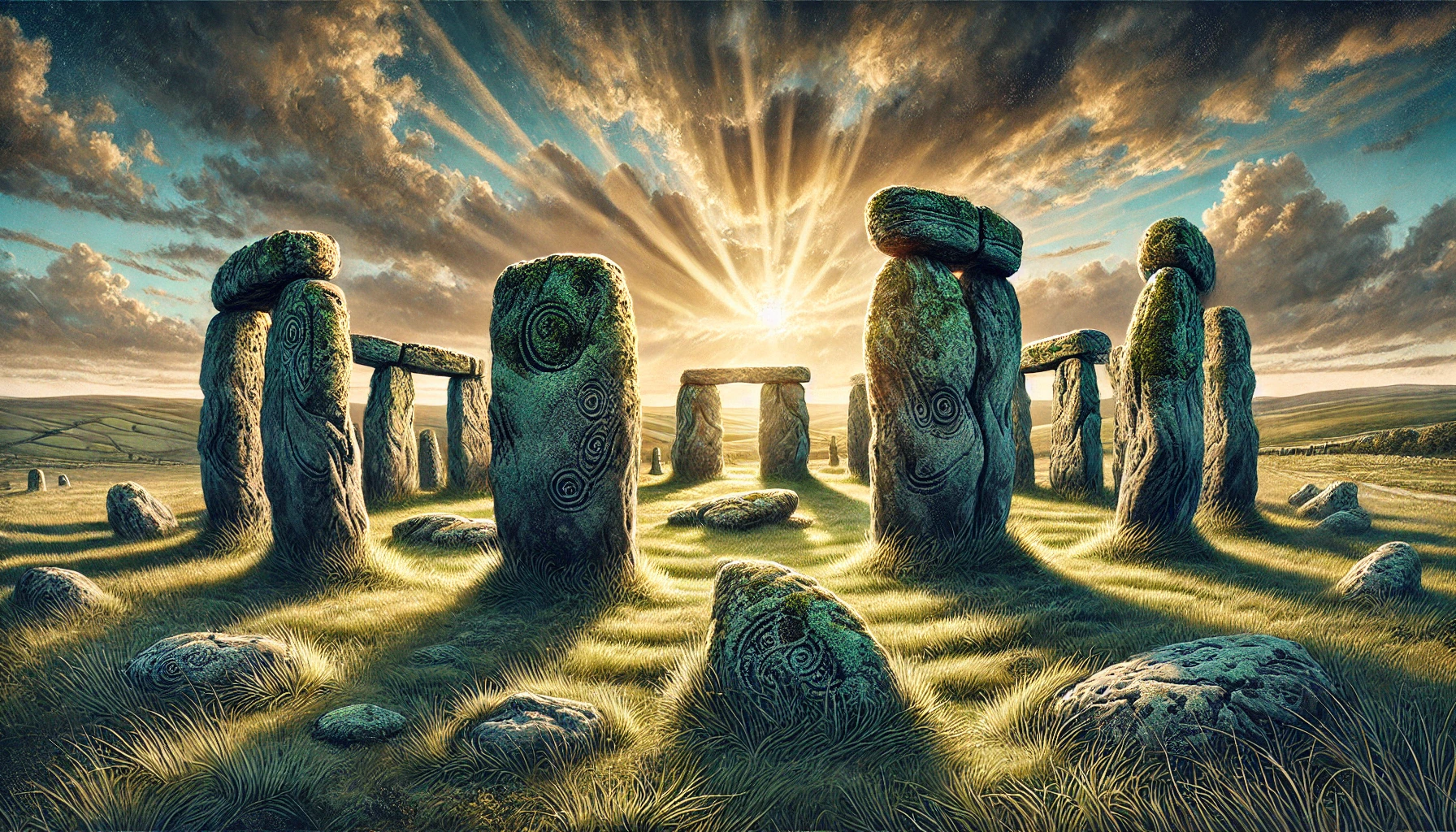
Stone Circles in England
England’s ancient stone circles are some of the most mysterious and awe-inspiring monuments in the world. Dating back thousands of years, these prehistoric structures continue to fascinate archaeologists and visitors alike. Whether built for ritual, celestial alignment, or communal gatherings, these enigmatic circles are steeped in history and folklore. Here’s a guide to some of the most iconic stone circles in England.
1. Stonehenge (Wiltshire)
Stonehenge is perhaps the most famous stone circle in the world and a UNESCO World Heritage Site.
- Key Features:
- Massive sarsen stones arranged in a circular and horseshoe pattern.
- Precise alignment with the solstices, indicating its significance in ancient astronomy.
- Why Visit:
- Explore the visitor center, which features exhibits on the circle’s construction and purpose.
- Witness the awe-inspiring sunrise or sunset during the summer or winter solstice.
- Pro Tip: Book tickets in advance to avoid long queues, and consider a private tour for access inside the stone circle.
2. Avebury Stone Circle (Wiltshire)
Located near Stonehenge, Avebury is one of the largest stone circles in Europe.
- Key Features:
- A massive circle encompassing the village of Avebury, with additional smaller circles within.
- Part of a larger prehistoric landscape, including Silbury Hill and the West Kennet Long Barrow.
- Why Visit:
- Unlike Stonehenge, you can walk freely among the stones and immerse yourself in the site’s atmosphere.
- Enjoy the charming village pubs and shops nearby.
- Best For: A more personal and less crowded experience of England’s ancient history.
3. Castlerigg Stone Circle (Lake District)
Set against the stunning backdrop of the Lake District, Castlerigg is one of the most picturesque stone circles in England.
- Key Features:
- A smaller circle with approximately 38 stones, some over 2 meters tall.
- Surrounded by views of Blencathra and Helvellyn, two iconic Lake District peaks.
- Why Visit:
- Its elevated position offers breathtaking views, particularly at sunrise or sunset.
- The site’s tranquility and natural beauty make it perfect for peaceful reflection.
- Pro Tip: Combine your visit with a hike in the Lake District for a full day of exploration.
4. Rollright Stones (Oxfordshire)
This complex of ancient stones, located on the border of Oxfordshire and Warwickshire, includes three distinct monuments.
- Key Features:
- The King’s Men: A stone circle of about 70 weathered stones.
- The Whispering Knights: A dolmen-style burial chamber.
- The King Stone: A solitary standing stone tied to local folklore.
- Why Visit:
- Explore the myths and legends surrounding the stones, including tales of witches and kings.
- A compact site that’s easily accessible for a quick yet magical visit.
5. Long Meg and Her Daughters (Cumbria)
This lesser-known stone circle is one of England’s largest, consisting of 59 stones and a mysterious outlier, Long Meg.
- Key Features:
- Long Meg, a 3.6-meter-tall sandstone monolith, is carved with ancient spirals and markings.
- The alignment of the stones suggests connections to the solstices and lunar cycles.
- Why Visit:
- The peaceful countryside location provides a serene atmosphere for exploration.
- Its size and unique carvings set it apart from other stone circles.
6. Stanton Drew Stone Circles (Somerset)
This group of stone circles in Somerset includes the Great Circle, one of the largest in England.
- Key Features:
- The Great Circle, with a diameter of over 100 meters, is surrounded by a ditch.
- Two smaller circles and the Cove, a collection of three large stones.
- Why Visit:
- A quiet and less-visited site, perfect for those seeking solitude and mystery.
- The nearby Druid’s Arms pub provides a cozy spot for refreshments after exploring.
7. The Hurlers (Cornwall)
The Hurlers is a group of three aligned stone circles on Bodmin Moor, surrounded by myths of petrified men.
- Key Features:
- The circles are said to represent men turned to stone for playing hurling on the Sabbath.
- Nearby rock formations like the Cheesewring add to the mystique of the area.
- Why Visit:
- Explore the rugged beauty of Bodmin Moor and uncover the folklore of the stones.
- Ideal for hikers and history enthusiasts.
8. Nine Ladies Stone Circle (Derbyshire)
Located on Stanton Moor, this charming stone circle is tied to legends of dance and punishment.
- Key Features:
- Nine small stones arranged in a tight circle, said to represent women turned to stone for dancing on the Sabbath.
- A nearby King Stone adds to the folklore.
- Why Visit:
- The moor offers picturesque walking trails and panoramic views of the Derbyshire countryside.
- A quiet, atmospheric site perfect for a short, scenic hike.
9. Swinside Stone Circle (Lake District)
Sometimes called the «Sunkenkirk,» Swinside is one of the best-preserved stone circles in England.
- Key Features:
- Nearly 60 stones remain in place, forming an almost complete circle.
- Stunning views of the Lake District’s fells.
- Why Visit:
- Its remote location ensures a peaceful experience away from the crowds.
- A wonderful spot for history enthusiasts and nature lovers alike.
10. Arbor Low (Derbyshire)
Known as the «Stonehenge of the North,» Arbor Low is a Neolithic henge monument with impressive earthworks.
- Key Features:
- A circle of limestone stones lying flat rather than standing.
- Surrounded by a large bank and ditch, emphasizing its ceremonial importance.
- Why Visit:
- A quiet, off-the-beaten-path destination with sweeping views of the Peak District.
- The site’s unique layout sparks curiosity about its original purpose.
Tips for Visiting Stone Circles in England
- Bring Sturdy Shoes: Many sites are located in rural areas with uneven terrain.
- Arrive Early: To enjoy the peace and mystery of these sites, visit in the early morning or late afternoon.
- Respect the Sites: These ancient monuments hold cultural and historical significance; avoid climbing on the stones.
- Pack Layers: The weather in England can change quickly, especially in open landscapes.
Conclusion
England’s stone circles offer a fascinating glimpse into its prehistoric past, blending natural beauty with ancient mystery. Whether you’re marveling at the grandeur of Stonehenge or discovering the legends of the Hurlers, these timeless sites provide unforgettable experiences for history lovers and adventurers alike.
For more tips on exploring historical landmarks and planning unique trips, check out helpful guides on ocean.co.ua.
Добавить комментарий