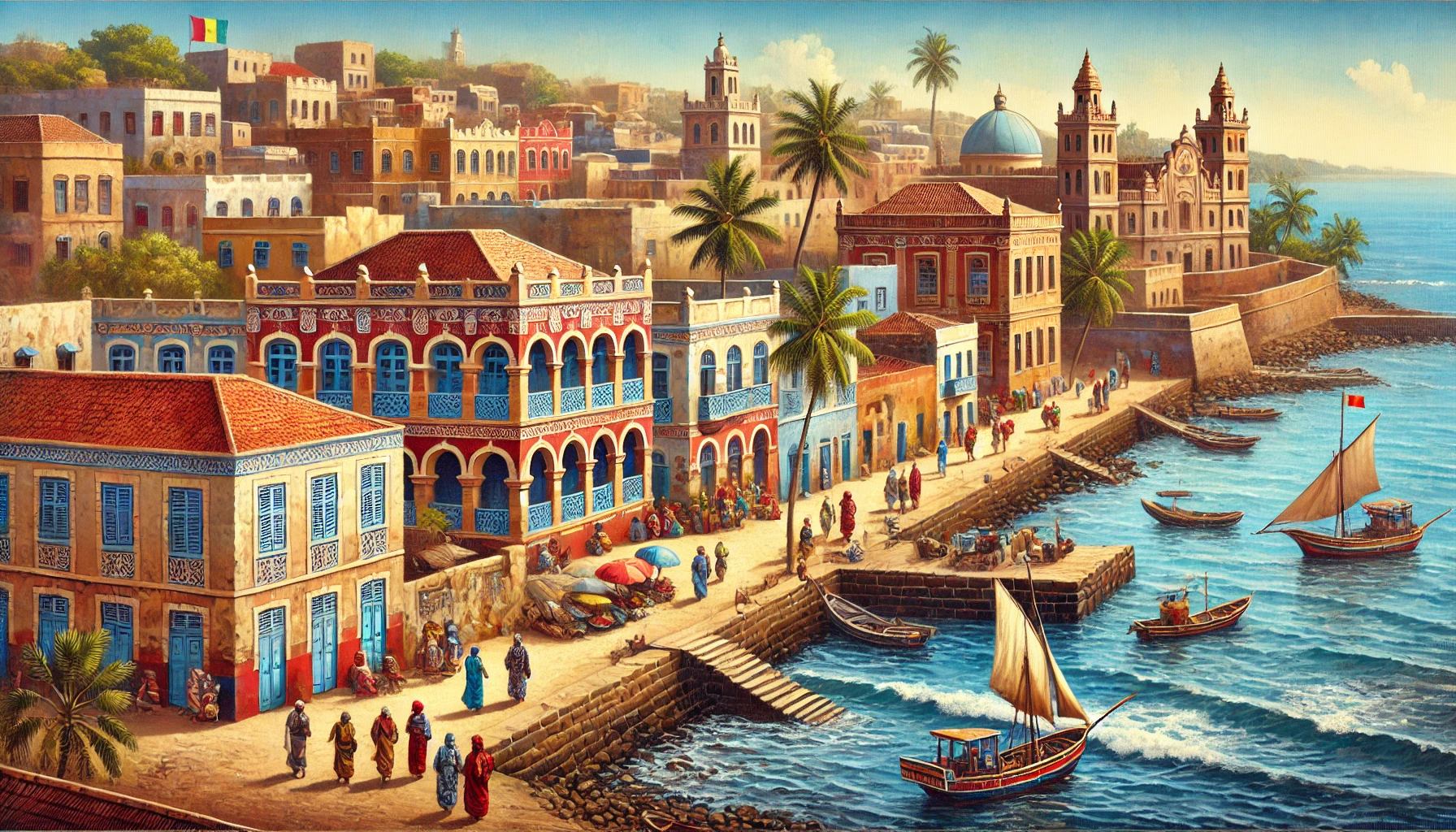
Gorée Island in Senegal and Its Role in the Slave Trade
Located just off the coast of Dakar, Senegal, Gorée Island is one of the most significant historical sites in West Africa. Today, it stands as a UNESCO World Heritage Site and a symbol of the transatlantic slave trade, serving as a powerful reminder of the millions of Africans who were forcibly taken from the continent.
1. Historical Background
From the 15th to the 19th century, Gorée Island was a major center for the transatlantic slave trade, controlled at different times by the Portuguese, Dutch, English, and French. Its strategic location made it an important trading post where enslaved Africans were held before being shipped to the Americas and the Caribbean.
2. The House of Slaves (Maison des Esclaves)
One of the most notorious landmarks on the island is the House of Slaves, built in the 18th century by the French. This building, now a museum, contains dark, narrow cells where enslaved people were kept in inhumane conditions before being forced onto ships. The most haunting part of the house is the «Door of No Return,» through which countless men, women, and children were taken, never to see Africa again.
3. Gorée Island as a Cultural and Memorial Site
Today, Gorée Island is a site of remembrance, education, and reconciliation. Every year, visitors, including world leaders, activists, and descendants of enslaved Africans, come to reflect on the island’s painful history. The island’s colonial architecture, museums, and memorials tell the story of its past while celebrating the resilience of African culture.
4. The Legacy of Gorée Island
Although the exact number of enslaved people who passed through Gorée is debated, the island remains a powerful symbol of the horrors of slavery and the strength of the African diaspora. It serves as a reminder of the enduring impact of colonialism, racism, and human rights struggles.
Conclusion
Gorée Island is not just a historical site—it is a place of reflection, remembrance, and education. Its preserved landmarks, such as the House of Slaves, offer a sobering look at Africa’s past, while its vibrant culture and community represent hope and resilience.
For more tips on improving your photography and editing skills, check out helpful guides to take your selfies to the next level.
Добавить комментарий