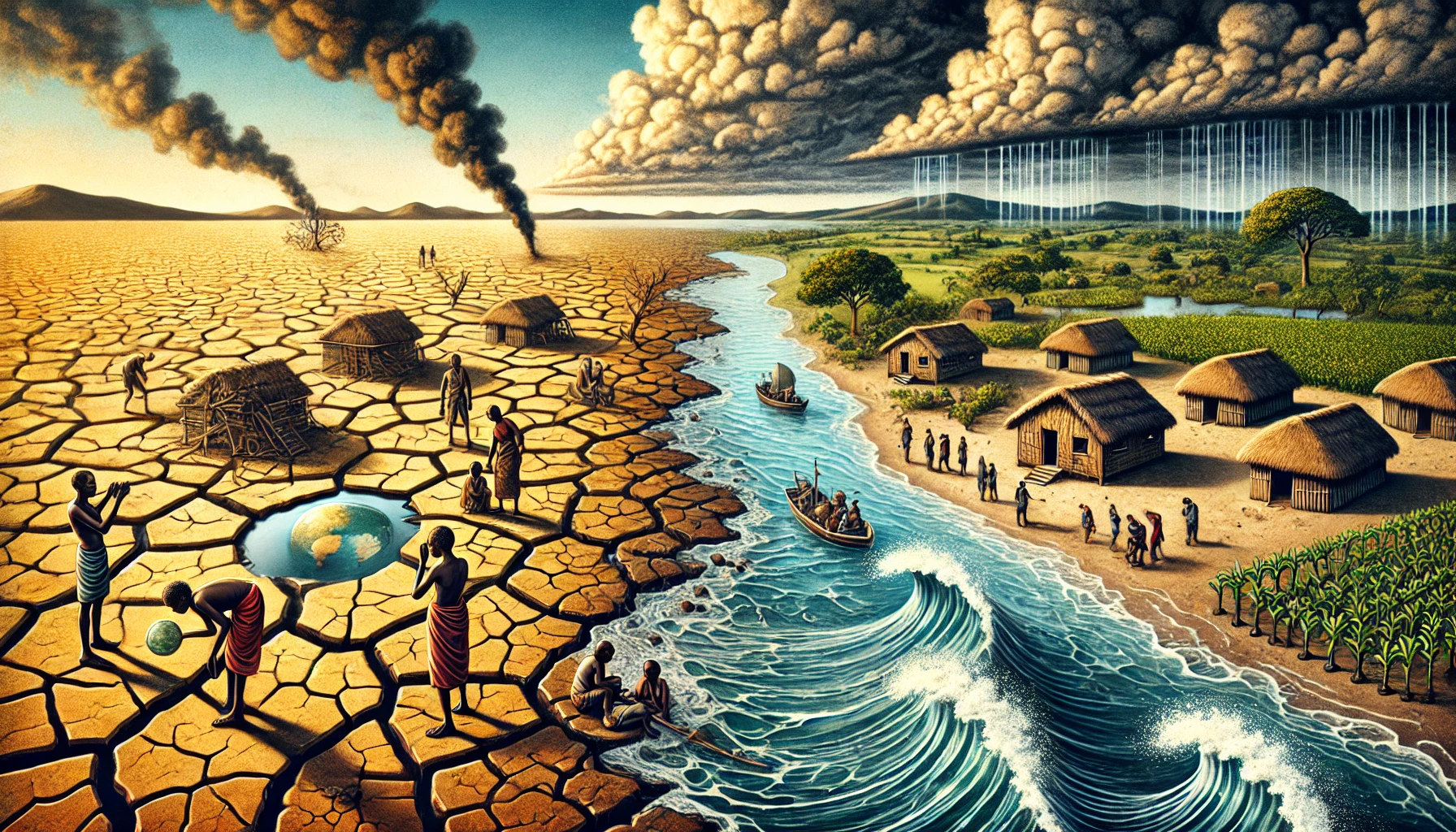
Climate Change Effects in Mozambique
Mozambique is one of the African countries most vulnerable to climate change. With a long coastline along the Indian Ocean, the country faces rising sea levels, extreme weather events, and shifting rainfall patterns that threaten communities, agriculture, and biodiversity. Here’s a closer look at how climate change is affecting Mozambique and the challenges it presents.
1. Increased Cyclones and Extreme Weather
Mozambique has experienced a rise in the frequency and intensity of tropical cyclones due to warming ocean temperatures.
- Cyclone Idai (2019): One of the deadliest storms in African history, displacing over 1.85 million people and causing catastrophic flooding.
- Cyclone Kenneth (2019): Hit just weeks after Idai, marking the first time two strong cyclones struck Mozambique in one season.
- Impact: Homes destroyed, loss of lives, and billions of dollars in damages.
2. Rising Sea Levels and Coastal Erosion
Mozambique’s coastline is at risk due to rising sea levels, which lead to:
- Flooding of coastal cities like Beira and Maputo.
- Erosion of beaches and loss of mangroves, affecting marine biodiversity.
- Salinization of freshwater sources, making it harder for communities to access clean drinking water.
3. Disruptions to Agriculture and Food Security
Over 80% of Mozambicans depend on agriculture, but climate change has made farming increasingly difficult.
- Unpredictable Rainfall: Droughts and floods disrupt planting seasons.
- Desertification: Increasing temperatures are degrading soil quality.
- Lower Crop Yields: Staple crops like maize and rice suffer, leading to food shortages.
- Fisheries at Risk: Warmer waters and coral bleaching impact fish stocks, threatening coastal livelihoods.
4. Increased Risk of Disease Outbreaks
Climate change is contributing to the spread of diseases such as:
- Malaria: Warmer temperatures and stagnant floodwaters create ideal breeding grounds for mosquitoes.
- Cholera: Floods contaminate water supplies, leading to outbreaks of waterborne diseases.
5. Displacement and Humanitarian Crises
Climate-related disasters have forced thousands of Mozambicans to leave their homes.
- Cyclones and floods have displaced entire communities.
- Rural-to-urban migration is increasing as people seek safer areas, putting pressure on city infrastructure.
- Food and water shortages are leading to humanitarian crises, requiring international aid.
6. Conservation and Biodiversity Threats
Mozambique is home to rich ecosystems, including the Gorongosa National Park and the Quirimbas Archipelago, but climate change is threatening:
- Mangroves and coral reefs, which act as natural barriers against storms.
- Endangered species, such as marine turtles, due to habitat destruction.
- Forests, as deforestation for fuel and agriculture accelerates.
7. Efforts to Combat Climate Change
Despite these challenges, Mozambique is taking action:
- Early warning systems for cyclones and floods.
- Mangrove restoration projects to protect coastlines.
- Investment in renewable energy, such as solar and hydroelectric power.
- International partnerships, including climate adaptation funds and disaster response programs.
Why Mozambique’s Climate Crisis Matters
Mozambique’s struggle with climate change is a warning for coastal nations worldwide. Without urgent action, extreme weather, rising seas, and food insecurity will continue to threaten millions. Investing in resilience, adaptation, and sustainable solutions is key to protecting Mozambique’s future.
For more tips on improving your photography and editing skills, check out helpful guides to take your selfies to the next level.
Добавить комментарий